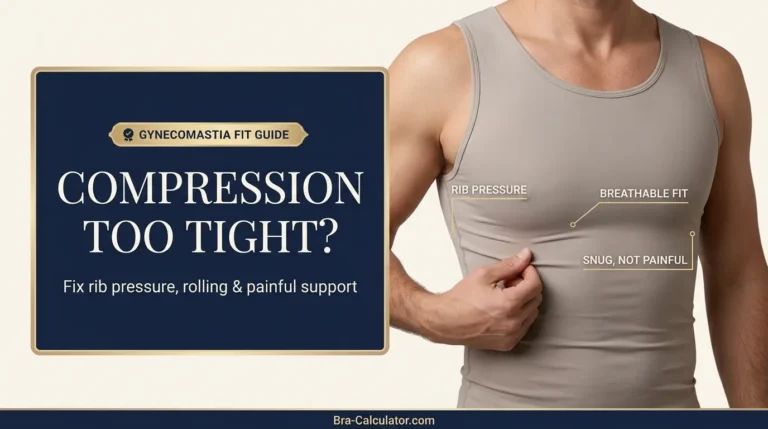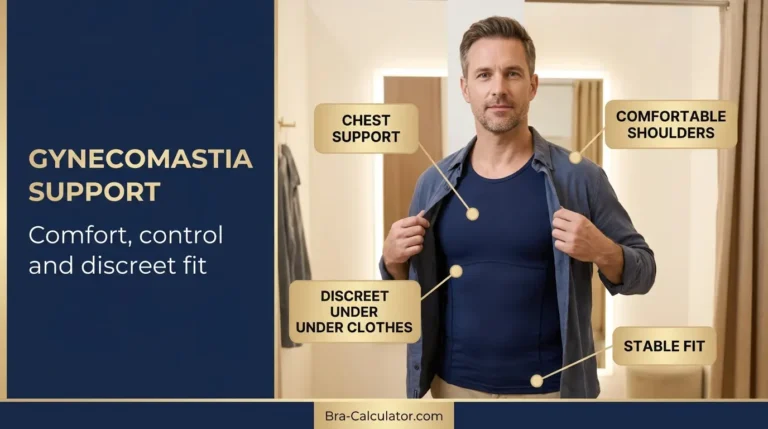
A gynecomastia compression shirt usually rolls up because the shirt is too short, too tight, wrong for your waist or torso shape, or made with fabric that lacks stable stretch recovery. The best fixes are to measure correctly, avoid sizing down painfully, choose a longline compression shirt or tank, check waist and torso length, and switch to a vest or soft support top if regular compression shirts keep rolling.
Compression Shirt Rolling at a Glance
| Rolling Problem | Most Likely Fix |
|---|---|
| Rolls at the stomach | Try longline compression, measure waist, and avoid overly tight fabric. |
| Bunches under the chest | Check if the shirt is too short or front compression is too firm. |
| Rides up when sitting | Torso length or hem stability is usually the issue. |
| Rolls during workouts | Use sports compression with better stretch recovery and movement design. |
| Rolls after washing | Fabric may have lost elasticity or hem structure. |
| Main mistake | Sizing down for more flattening, which often makes rolling worse. |
Why Does a Gynecomastia Compression Shirt Roll Up?
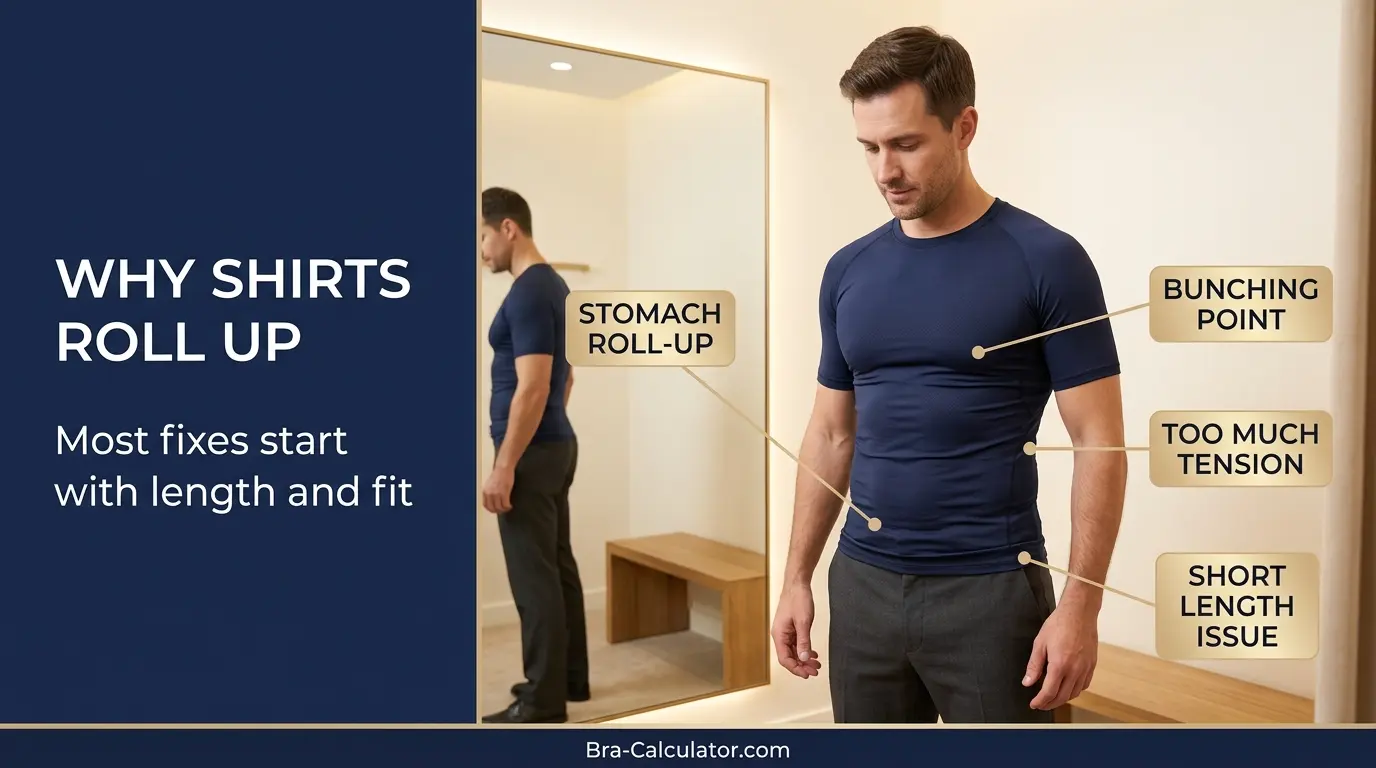
A compression shirt rolls up when the fabric is under more tension than it can hold in place. Instead of staying flat, the bottom hem moves toward the narrowest or least-resistant part of the body. This is why rolling often happens at the stomach, under the chest, or after sitting.
For gynecomastia support, rolling is especially common because the garment is trying to do two jobs at once: smooth the chest and compress the torso. If the shirt is too short, too tight, too weak at the hem, or not shaped for your torso, it may support the chest while failing at the waist.
Rolling does not always mean you need a smaller size. In many cases, it means the shirt is already too tight, too short, or the wrong construction for your body shape. The goal is stable support, not maximum pressure.
Fit truth: If a compression shirt only stays flat while you stand still, it is not a good daily fit. A usable support garment should stay reasonably stable while sitting, walking, bending and raising your arms.
How to Stop a Compression Shirt from Rolling Up
Use this sequence before replacing every shirt you own. The fix depends on whether the issue is size, length, fabric, hem grip or support type.
If the shirt restricts breathing, digs into ribs or feels hard to sit in, sizing down may be causing the rolling. Try your measured size or a lower compression level.
Chest measurements are not enough. If your waist or stomach is wider than the shirt allows, or your torso is long, the hem may roll upward.
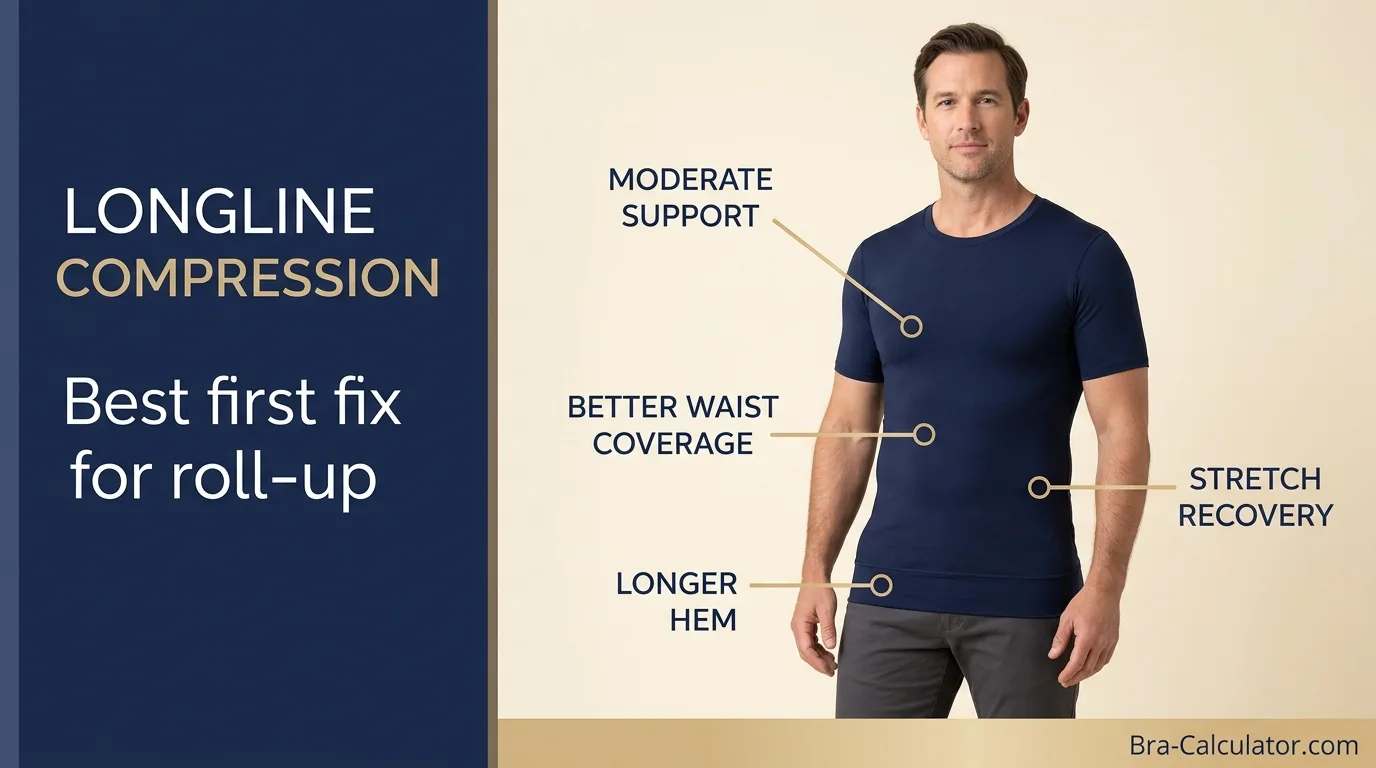
Longline shirts and tanks usually stay flatter because the hem sits lower and has more fabric length to resist riding up.
Good compression fabric stretches and returns to shape. If it stretches out, curls, or loses tension after washing, rolling becomes more likely.
If all compression shirts roll on your body, a gynecomastia vest, soft support top, or different chest-support system may work better than another shirt.
Why Your Compression Shirt Rolls: Find the Cause
| What You Notice | Likely Cause | Best Fix |
|---|---|---|
| Rolls at the stomach | Shirt is too short, too tight or not shaped for your waist. | Try longline compression or a larger waist-friendly cut. |
| Bunches under the chest | Front compression is pushing fabric upward. | Choose better chest panel support or less aggressive compression. |
| Rides up when sitting | Torso length is too short or hem has poor grip. | Measure torso length and choose longer construction. |
| Rolls during workouts | Fabric lacks movement design or stretch recovery. | Use sports compression with wicking fabric and stable hem. |
| Rolls after washing | Elastic recovery is failing. | Replace with better nylon/spandex or performance blend. |
| Most common cause | Short length + too much compression tension. | Longline moderate compression |
Five Tests Before Keeping a Gynecomastia Compression Shirt
| Test | Good Sign | Problem Sign |
|---|---|---|
| Sit test | Hem stays mostly flat while sitting. | Bottom rolls immediately toward stomach or ribs. |
| Breathing test | You can breathe normally and expand ribs. | Rib pressure or chest restriction appears. |
| Arm raise test | Shirt returns to place after lifting arms. | Shirt rides up and stays bunched. |
| Walk test | Fabric stays smooth after 5–10 minutes. | Fabric creeps upward with every step. |
| Outer shirt test | No visible roll line under clothing. | Rolled hem creates a clear ridge under the shirt. |
Best Fixes When Your Compression Shirt Keeps Rolling
Usually the best choice when short compression shirts roll at the stomach or ride up while sitting.
Less sleeve bulk and often easier under summer shirts if the bottom hem is stable.
Helpful when rolling comes from weak chest support or high front movement.
Useful when full-torso compression is uncomfortable but chest support is still needed.
Better for workouts because movement design and moisture-wicking fabric matter more.
Often makes rolling worse by increasing fabric tension and pressure at the waist.
Product Types That Help When Compression Shirts Roll Up
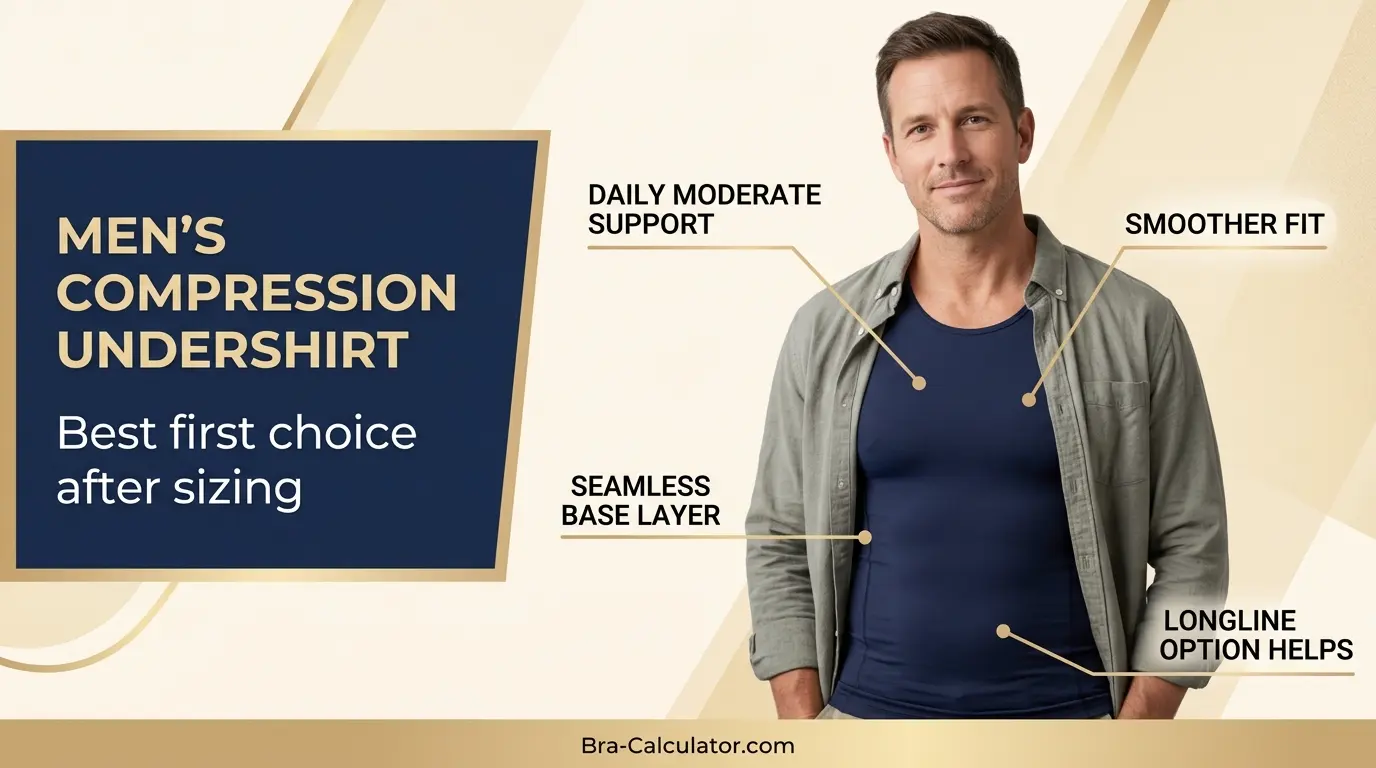
Longline Compression Shirts
- Best starting point if your regular compression shirt rolls at the stomach.
- Works better for longer torsos and sitting-heavy days.
- Avoid styles that are long but too tight at the waist.
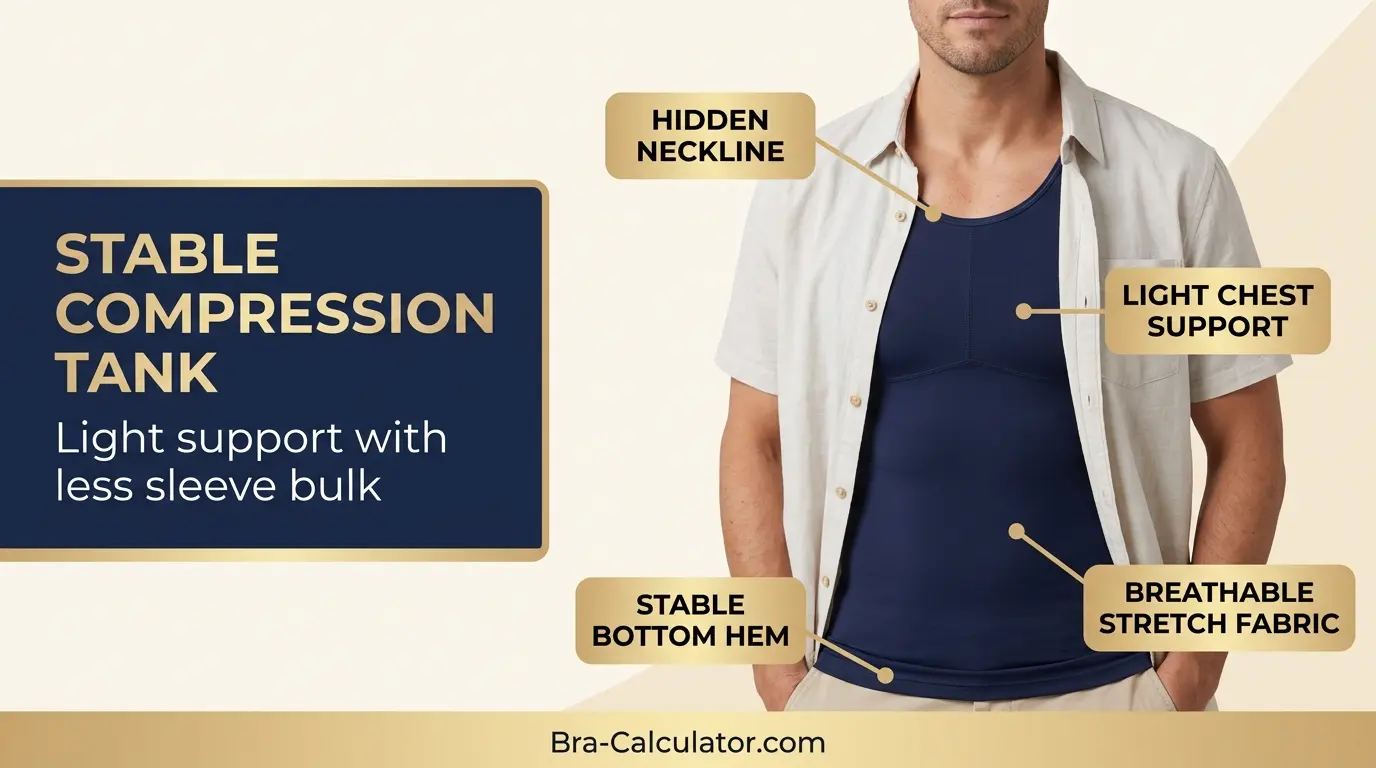
Compression Tanks With Stable Hem
- Useful when sleeves or shoulder bulk make shirts harder to hide.
- Can work under T-shirts if neckline stays hidden.
- Choose breathable fabric with good stretch recovery.
Gynecomastia Compression Vests
- Useful if shirts roll because they cannot control chest movement enough.
- Better for firmer front support than regular compression shirts.
- Check breathing, heat and shirt visibility before all-day wear.
Mistakes That Make Compression Shirts Roll More
1. Sizing Down for More Flattening
Smaller size increases tension, which can make fabric climb and roll faster.
2. Ignoring Waist Measurement
The shirt may fit the chest but fail at the stomach or waist.
3. Buying Short Compression Shirts
Short shirts have less length to resist riding up when you sit or bend.
4. Choosing Weak Fabric
Poor stretch recovery can curl, loosen or roll after movement and washing.
5. Using One Shirt for Every Situation
Daily wear, gym use and dress outfits may need different support layers.
6. Ignoring Comfort Signals
Rolling plus rib pressure usually means the garment is fighting your body shape.
Why Rolling Happens More on Some Body Shapes
Hem Climbs Up
The shirt may move upward toward a narrower point when waist tension is high.
Try longlineShirt Is Too Short
A standard shirt may not have enough length to stay flat while sitting.
Measure lengthSide Tension Builds
Wide torsos may need better side panels and shoulder width.
Check panelsFabric Shifts
Compression may slide toward the waist if the chest tension is stronger.
Stable hemWorkout Rolling
Walking, lifting or running can expose weak stretch recovery quickly.
Sports fabricSweat Changes Grip
Sweat can make poor fabric slide or bunch faster.
Wicking blendToo Much Pressure
If firm compression hurts, soft support may work better than a tighter shirt.
Soft supportFollow Guidance
Post-op compression should follow clinician instructions, not casual fit rules.
Clinical firstWhat Should You Fix First?
- Breathing feels restricted
- Rib or stomach pressure appears
- Shirt rolls immediately
- Stop sizing down painfully
- Use measured size
- Choose moderate compression
- Rolls when sitting
- Hem sits high on stomach
- Shirt rides up after arm movement
- Try longline compression
- Measure torso length
- Choose lower, stable hem
- Fabric curls at bottom
- Rolls after washing
- Material loses shape quickly
- Choose better stretch recovery
- Use nylon/spandex blends
- Avoid loose cotton compression
- Every shirt rolls on you
- Chest still moves despite compression
- Daily comfort is poor
- Try vest or soft support top
- Separate daily and workout support
- Do not force one garment type
What Usually Improves When You Fix Rolling
These are practical fit outcomes, not medical claims. The goal is stable support that works during real daily movement.
“I stopped pulling my shirt down all day.”
When length and waist fit improve, many men notice less constant adjustment while sitting, walking or working.
“The support felt smoother under clothes.”
A flatter hem can reduce visible ridges under T-shirts, polos and work shirts.
“I realized tighter was not better.”
Many rolling problems improve when the compression level becomes wearable instead of painfully tight.
“I finally found a shirt that worked while sitting.”
Longline support often feels more realistic for daily life because it is tested in the positions people actually use.
References and Medical Disclaimer
This guide is for clothing, comfort and support sizing education. It is not medical advice and does not diagnose or treat gynecomastia. Compression shirts can improve comfort and clothing appearance, but they cannot identify the cause of chest fullness or remove glandular tissue.
Seek medical advice if you notice a new hard lump, sudden swelling, one-sided rapid change, nipple discharge, skin dimpling, redness, bleeding, severe pain or any symptom that feels unusual for you.
Frequently Asked Questions
Why does my gynecomastia compression shirt roll up?
A gynecomastia compression shirt usually rolls up because it is too short, too tight, wrong for your waist or torso shape, made with poor stretch recovery, or not stable enough at the hem.
How do I stop a compression shirt from rolling up?
Choose the correct size, avoid painfully tight compression, try longline construction, measure your waist and torso length, and look for a stable hem with good stretch recovery.
Should I size down if my compression shirt rolls?
Usually no. Sizing down often makes rolling worse because the fabric has more tension and tries to move toward the narrowest part of the body.
Are longline compression shirts better for gynecomastia?
Longline compression shirts are often better if regular shirts roll up, especially for longer torsos, larger stomachs or people who sit and bend often.
Is a compression vest better if shirts keep rolling?
A compression vest may work better if rolling continues after size and length adjustments, especially when firmer front support or a more stable garment structure is needed.
Can compression shirts treat gynecomastia?
No. Compression shirts can help with comfort, movement and clothing appearance, but they cannot diagnose, treat or remove gynecomastia tissue.
What fabric helps prevent compression shirts from rolling?
Nylon-spandex or performance blends with good stretch recovery usually stay flatter than loose cotton or fabric that loses shape quickly.
When should I seek medical advice for gynecomastia?
Seek medical advice for sudden swelling, a hard lump, ongoing pain, nipple discharge, bleeding, skin changes or fast one-sided enlargement.
Stop Guessing: Measure Before Buying Another Compression Shirt
If your gynecomastia compression shirt keeps rolling up, start with accurate under-chest and fullest-chest measurements, then choose the right length, fabric and support type.
More gynecomastia support guides
- Gynecomastia bra guide
- Gynecomastia bra size chart
- How to Measure Chest Size for Gynecomastia Bra
- How to Hide Gynecomastia Under Clothes: Discreet Men’s Styling & Support Guide
- Best Post Surgery Compression Vest Gynecomastia
- Best Compression Tops for Gynecomastia 2026: Full Review
- Can Bras Help Gynecomastia Comfort? What the Evidence Says