Plus-Size · Extended Bands · Global Fit · 2026
Plus-Size Bra
Size Calculator
Projection-aware cup math · 7-region conversion · Fit quiz with shape-based style picks.
Step 1 — Your Measurements
A Smarter Plus-Size Bra Calculator That Respects Real Bodies (Not Old Rules)
If you’ve ever searched “what bra size am I?” and still ended up with:
- a band that rides up,
- cups that spill or gape,
- straps that dig into your shoulders,
- or a bra you can’t wait to take off,
you’re not failing at bra sizing — the system is failing you.
Most bra calculators still rely on outdated logic that doesn’t reflect how plus-size and fuller-bust bodies actually work. This is where a more modern approach helps.
Our Plus-Size Bra Calculator with Fit Quiz and Global Size Conversion was built as a smarter starting point — not a promise of perfection, but a better first step than the tools most people are given.
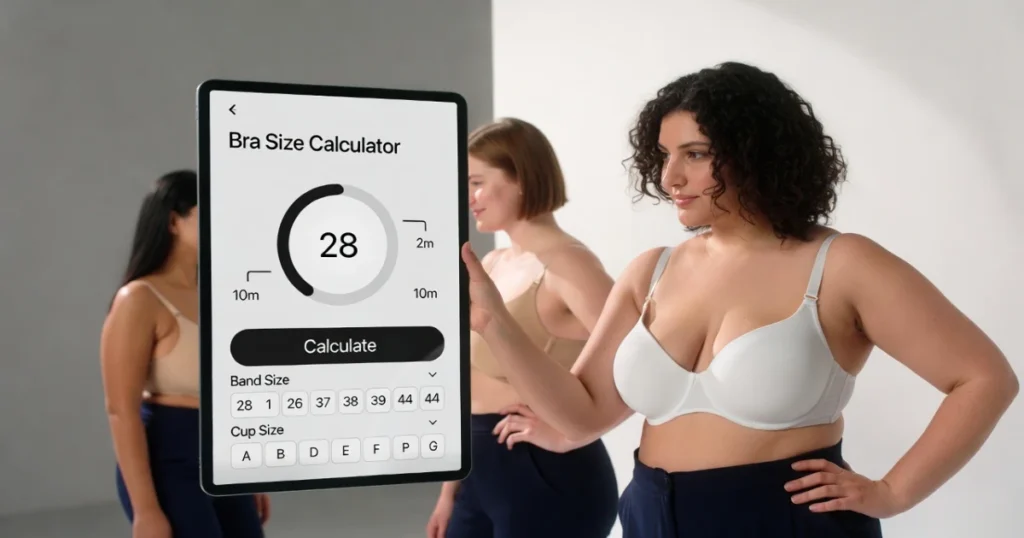
Why traditional bra calculators struggle with plus-size fit
Most online calculators:
- Use only one bust measurement
- Ignore breast shape and tissue softness
- Favor the tightest possible band
- Treat cup letters as universal across countries
- Skip real-world fit feedback entirely
For fuller busts and extended bands, this often leads to:
- Painful pressure around the ribs
- Quad-boob or underwire sitting on tissue
- Lack of lift or support despite “correct” sizing
- Endless trial-and-error with no clear direction
Bra fitting is part measurement, part shape, part preference — and no single number can capture all of that.
What this Plus-Size Bra Calculator does differently
1️⃣ Comfort-first band logic (especially for extended bands)
Instead of forcing everyone into the smallest possible band, this calculator:
- Prioritizes support without pain
- Accounts for rib sensitivity common in plus-size bodies
- Offers Comfort, Primary, and Lift try-on sizes rather than one rigid answer
This reflects how professional fitters actually work in practice.
2️⃣ Projection-aware cup calculation
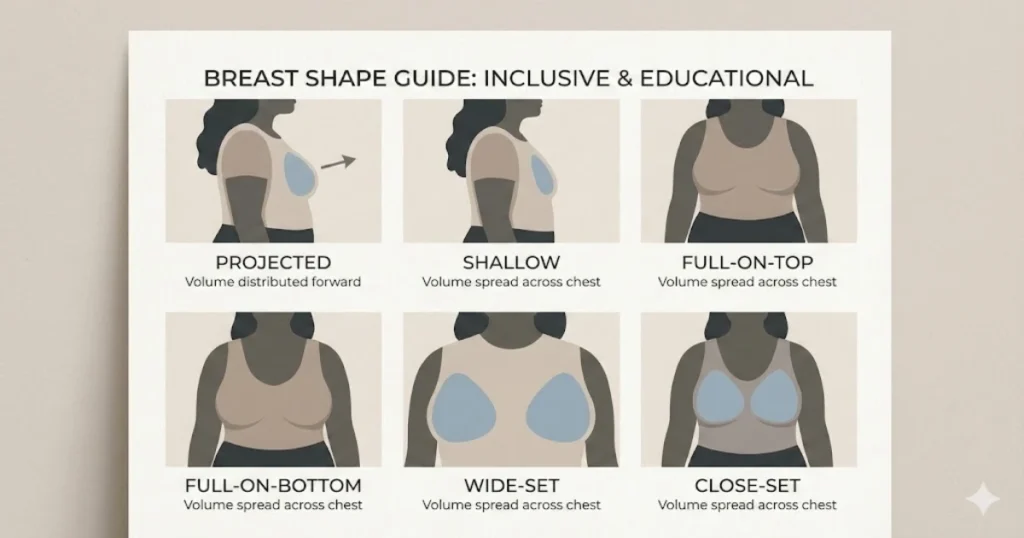
Many plus-size bodies are projected or pendulous, meaning breast tissue extends forward rather than spreading shallowly.
This calculator improves accuracy by:
- Using standing and leaning bust measurements
- Estimating cup depth instead of flat circumference alone
- Improving results for soft tissue and fuller cups
It doesn’t replace trying bras on — but it avoids many obvious mis-suggestions.
3️⃣ A Fit Quiz that guides bra style (not just size)
Cup size alone doesn’t tell you which bras will work.
The built-in Fit Quiz considers:
- Breast shape (full on top, bottom, projected, shallow, etc.)
- Root width (narrow vs wide underwires)
- Tissue firmness
- Strap issues (slipping or digging)
- Real-world fit feedback (spillage, gaping, band movement)
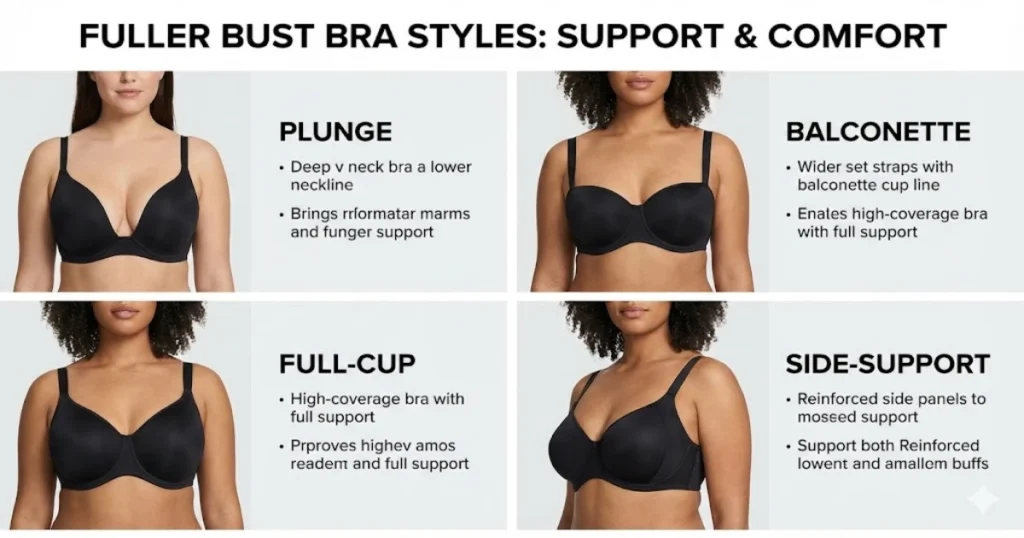
The result isn’t just a size — it’s guidance on what styles to try first.
What results you’ll receive
After completing the calculator and quiz, you’ll see:
- Your primary bra size (a starting point)
- Try-on sizes:
- Comfort (slightly looser band)
- Primary (balanced)
- Lift (firmer band, sister size)
- Global bra size conversions, including:
- US / Canada
- UK
- EU / Germany
- France
- Japan
- Korea
- Australia / New Zealand
- Bra-style recommendations based on your shape, not trends
How to measure for the best accuracy
For best results, follow this simple approach:
- Measure underbust snug (firm, not painful)
- Measure bust standing (tape level, no compression)
- Measure bust leaning (highly recommended for plus-size and projected shapes)
- Answer the Fit Quiz honestly — “not sure” is okay
These steps align closely with modern fitting best practices used by experienced fitters and bra-fitting communities.
Common questions this calculator helps answer
Why does my bra band ride up?
The band is likely too large, or the cups aren’t supporting the bust properly.
Why do I spill out of the top even in my size?
You may need more cup depth, a different cup shape, or a cup size up.
Why do my straps hurt my shoulders?
Straps shouldn’t carry most of the weight — the band should. This calculator adjusts for that imbalance.
Are UK and US bra sizes the same?
No. Cup lettering differs, which is why global conversion matters when shopping online.
A realistic note on expectations (important)
No calculator — including this one — can replace:
- trying bras on,
- differences between brands,
- fabric stretch and design,
- or personal comfort preferences.
This tool is meant to give you a better first try, not a final answer.
Most people still benefit from ordering 2–3 sister sizes and evaluating fit at home.
Bra fitting is still part science, part art — and iteration is normal.
How to use this calculator alongside other tools
For best results, pair this calculator with:
- a Sister Size Calculator
- a Bra Size Conversion Chart
- a Bra Fit Checker (for diagnosing issues)
- a Breast Shape Guide
Together, these tools reduce frustration and returns far more than guessing alone.
Final takeaway
If you’ve been stuck with outdated sizing methods or calculators that don’t reflect how your body actually fits into bras, this Plus-Size Bra Calculator offers a more thoughtful, modern starting point.
It won’t magically solve every fit issue — but it can save you time, discomfort, and unnecessary trial-and-error.
And for many people, that’s already a big step forward.