Bra straps digging into your shoulders usually mean the straps are being asked to do too much work. The real cause is often a loose or unstable band, cups that are too small, overtightened straps, or a narrow strap design that concentrates pressure. Loosen the straps, check whether the band stays level, check for cup spillage, and then choose wider or padded straps only after the foundation of the bra fits correctly.
Jump to a Section
Bra Straps Digging In at a Glance
| Attribute | Comfort-First Guidance |
|---|---|
| Main symptom | Painful shoulder pressure, deep grooves, strap marks, or frequent urge to loosen the straps |
| Most common underlying issue | The band is not anchoring support securely, so the straps are compensating |
| Important cup clue | Spillage, a floating gore, or wires sitting on tissue can increase strap tension |
| Fast comfort test | Loosen the straps slightly; if the band rides up or the cups collapse, check size before replacing straps |
| Style feature that can help | Wider adjustable straps, cushioned straps, U-back construction and a stable supportive band |
| Safety note | Persistent pain, numbness or weakness should not be assumed to be only a bra-fit issue |
What Does Shoulder Digging Really Mean?
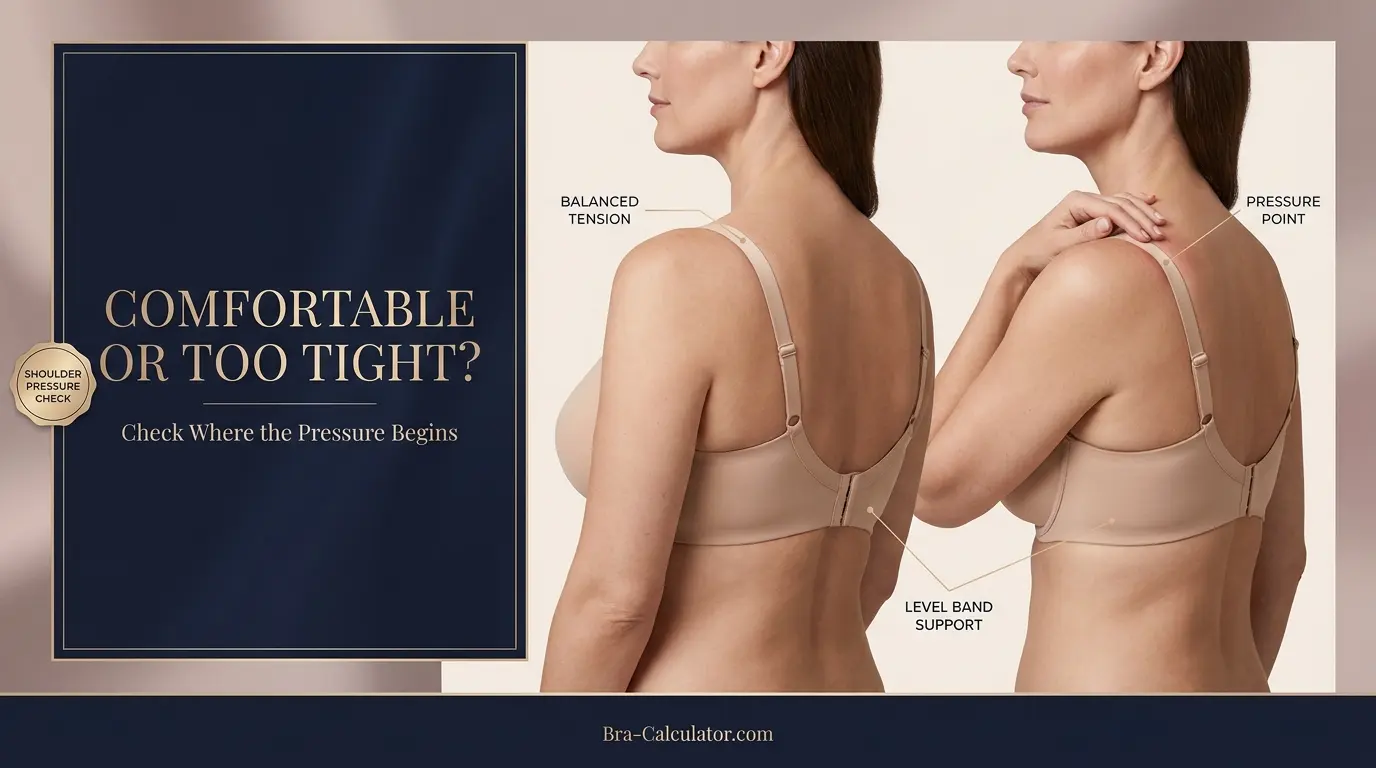
Straps are meant to help steady the cups and refine the position of a bra. They are not meant to hold the whole bra up by force. When a wearer keeps shortening the straps to feel supported, the shoulders become the pressure point for a fit issue that may actually begin lower down at the band or inside the cups.
A supportive bra should feel balanced: the band sits level, the cups contain breast tissue without forcing it upward or outward, and the straps remain secure without cutting into skin. When the straps dig in, it is tempting to blame the shoulder shape or to buy soft strap pads immediately. Those additions can improve comfort, but only after checking whether the bra itself is placing weight correctly.
This issue appears in every size range. With fuller or heavier busts, the pressure may be more noticeable because there is more load to distribute. With smaller or moderate busts, digging straps can still happen when a band is stretched out, when cups are shallow for the body shape, or when straps have been shortened to stop cups from gaping.
Comfort-first reminder: Straps can leave a light temporary impression, but they should not cause persistent grooves, sharp pain, numbness, or the feeling that support disappears as soon as you loosen them.
How to Check Why Your Straps Are Digging
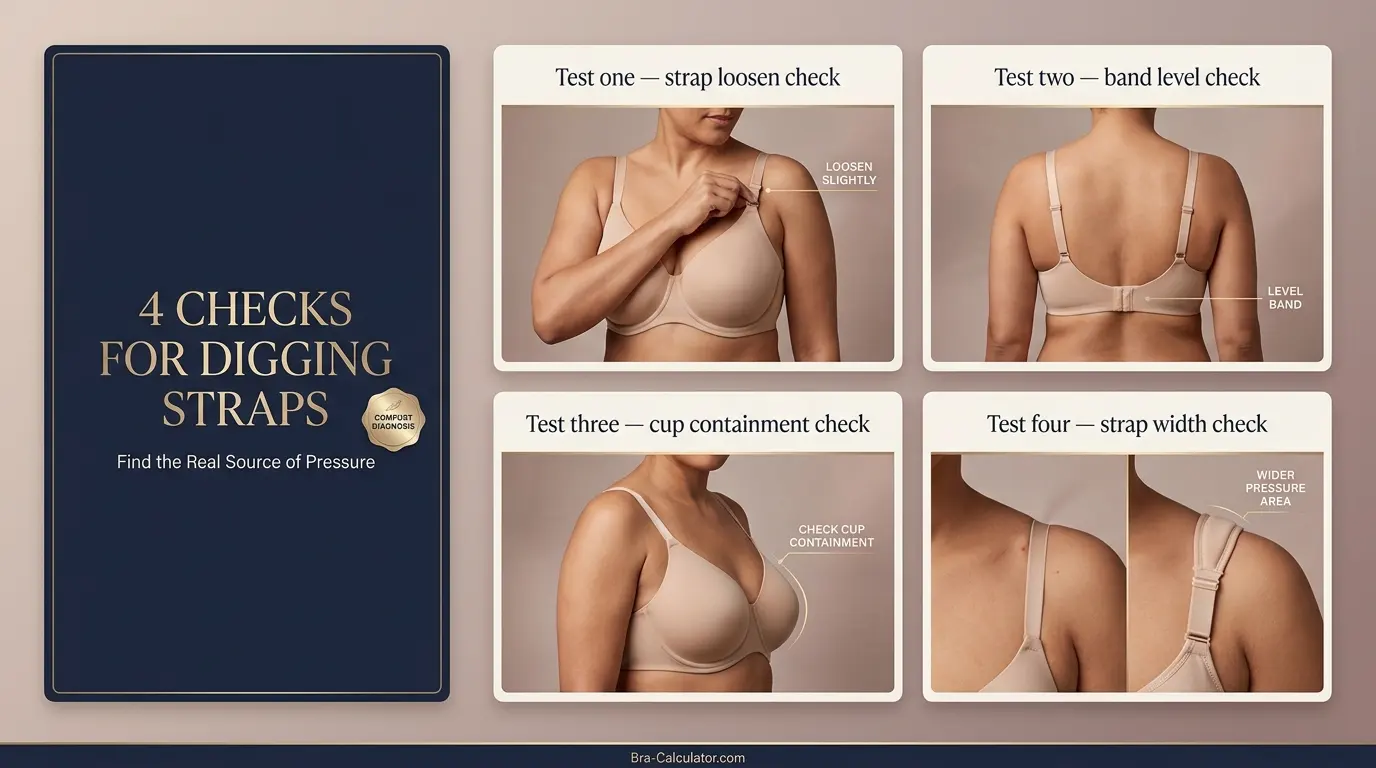
Do not solve shoulder pressure by immediately loosening or replacing one part of the bra. These short tests help separate a strap adjustment issue from a band or cup problem.
Loosen each strap by a small amount. If shoulder pressure improves while the bra still feels secure, the straps were simply overtightened. If the cups fall or the band rises, the support foundation needs attention.
Look at the back band in a mirror. It should stay horizontal and firm around your torso. A band that rides up often pushes you to tighten straps just to regain lift.
Bring all breast tissue fully into the cups. Spillage, side tissue outside the wire, or a floating center gore can show that the cups are too small or too shallow, increasing strain above.
If your size checks pass but thin straps still create pressure, compare a wider, padded or softly lined strap style in the same size.
| Test Result | Likely Meaning | Best Next Step |
|---|---|---|
| Pressure improves after loosening straps | Overtightened adjustment | Keep straps supportive but not lifting by force |
| Band rises when straps loosen | Band may be too loose or stretched | Check band fit and remeasure |
| Cups spill or gore floats | Cup volume or cup shape may be inadequate | Check cup fit and calculate size again |
| Fit is stable, but thin straps hurt | Pressure distribution issue | Try wider or padded adjustable straps |
| Numbness or ongoing pain remains | May require more than a bra change | Stop wearing painful style and seek medical guidance if persistent |
Why Bra Straps Dig Into Shoulders
1. The Band Is Too Loose or Worn Out
If the band rides up, shifts, or stretches too easily, it is not anchoring the bra well. The natural reaction is to shorten straps, which creates shoulder pressure without solving support.
2. The Cups Are Too Small or Too Shallow
Cups that compress or fail to contain tissue can pull the bra forward and destabilize the frame. The wearer then tightens straps to restore position, but the shoulders absorb the strain.
3. The Straps Are Simply Adjusted Too Short
Sometimes the bra size is workable, but straps have been shortened more than necessary in an attempt to create lift or stop gaping caused by the wrong cup style.
4. Narrow or Unpadded Straps Concentrate Pressure
Even when fit is close, very thin straps place all tension on a smaller shoulder area. This may be uncomfortable for fuller busts, sloped shoulders or sensitive skin.
5. Shoulder Shape or Posture Changes Strap Position
Sloping shoulders, asymmetry, rounded posture, or one shoulder sitting lower can make straps bite on one side or require repeated tightening to stay in place.
Step-by-Step: Fix Straps Digging In
Shoulder relief should begin with the support system of the bra, not only the straps. Make one change at a time so you can tell what actually solves the pressure.
Take the bra off and note whether the discomfort fades quickly or remains. Deep grooves or continuing pain mean you should avoid repeating the same strap tension.
A new bra should be supportive on its loosest hook. If the back band rides up, review the bra band rides up guide and recalculate before adjusting straps harder.
After scoop-and-swoop, the cup edge should be smooth and the wire should surround tissue rather than rest on it. A tight or shallow cup can trigger shoulder tension.
Adjust each strap separately. You should be able to slide about two fingers beneath it with gentle resistance, without pain or the band lifting at the back.
Once size is right, wider padded straps, full-coverage support, U-back positioning and firm bands can make long wear far more comfortable.
Why Shoulder Shape Changes the Digging Experience
The same bra straps can feel very different on different bodies. Shoulder slope, breast weight distribution, tissue sensitivity and torso frame all affect whether straps stay comfortable or create concentrated pressure.
Support Balance Matters Most
Straps may feel heavily loaded when the band is weak or cups are insufficient. Start with size and band stability before relying on padding.
Check band firstStraps Can Pull Unevenly
Straps may be tightened excessively to stop slipping, causing digging. A U-back or convertible position can improve alignment.
Try centered strapsPressure Shows Faster
Even correct support can feel sharp in narrow straps. Soft padding and smooth strap edges can reduce surface irritation.
Choose cushioned strapsOne Strap May Dig More
It is normal to need different strap lengths on each side. Fit each strap separately instead of forcing symmetry.
Adjust independentlyImportant: Bra changes may improve fit-related pressure, but pain that is persistent, severe, associated with numbness, or present without a bra deserves medical evaluation.
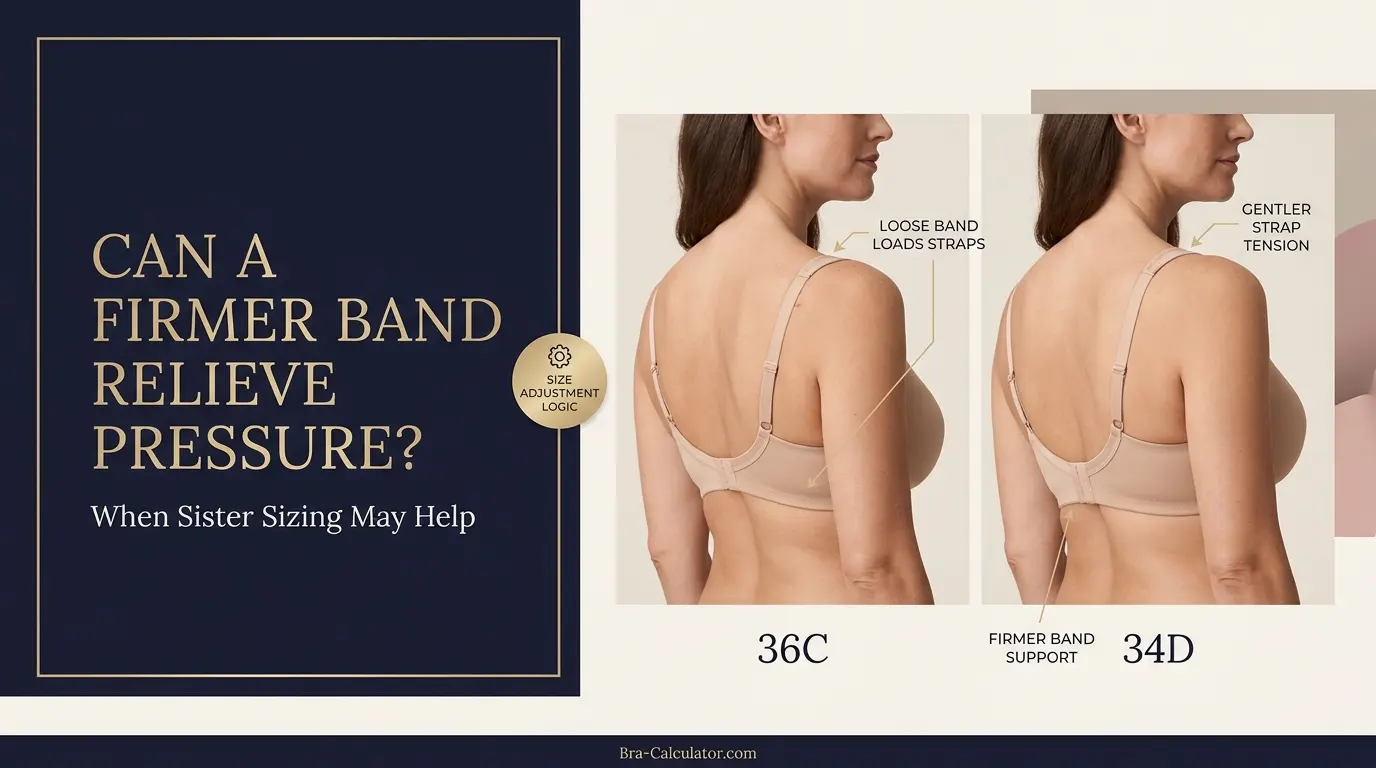
When Sister Sizing Helps Digging Straps
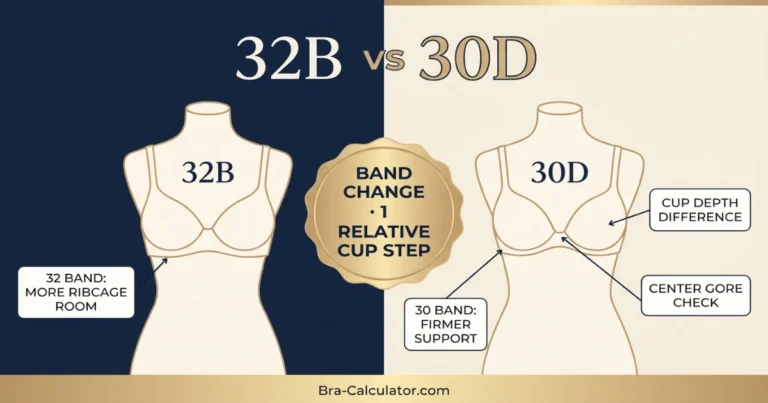
Sister sizing matters when straps are digging because the band is too loose. Moving to a firmer band while maintaining similar cup volume can shift support away from the shoulders and back into the bra’s foundation.
| Your Fit Signs | Try | Reason |
|---|---|---|
| Straps dig and band rides up; cups fit | Down one band, up one cup | Similar cup volume with firmer support |
| Straps dig and cups spill; band is stable | Keep band, go up in cup | Cup may be creating upward strain |
| Straps dig; band and cups fit well | Try wider/padded straps in same size | Issue may be pressure distribution |
| One strap digs more than the other | Adjust straps separately | Natural shoulder asymmetry is common |
What Should You Fix First?
- Band rides up at the back
- Support improves only when straps are tightened
- Bra shifts during movement
- Check band tension and elasticity
- Try a firmer sister size if cups fit
- Do not treat this with strap tightening alone
- Upper or side spillage
- Gore floats away from chest
- Wire presses on tissue
- Try more cup depth or volume
- Keep band stable while retesting
- Choose supportive full-coverage construction
- Band and cups feel stable
- Thin straps create sharp pressure
- Marks are located only under strap edges
- Loosen slightly and retest
- Try padded or wider straps
- Consider U-back placement
- Numbness or tingling
- Pain remains without bra
- Severe one-sided symptoms
- Stop wearing the painful style
- Avoid relying on self-fitting alone
- Seek healthcare guidance if symptoms persist
Bra Styles That Can Help With Shoulder Pressure
Distributes pressure over a larger area after band and cup fit are confirmed.
Helps contain tissue securely so straps are less likely to be overtightened.
Keeps straps positioned more centrally and can improve comfort for sloping shoulders.
Comfort option when it includes a firm band and wide adjustable straps.
May help straps stay positioned, but should not be tightened enough to add pressure.
Can concentrate pressure sharply when shoulder discomfort is already present.
Shop Bra Styles for Gentler Shoulder Support
After checking band and cup fit, these style categories are worth testing for less concentrated shoulder pressure. Always confirm size and return options before purchasing.

Wide Padded-Strap Full-Coverage Bras
- Wider straps can spread surface pressure more comfortably.
- Full coverage helps stabilise breast tissue within the cup.
- Best tested only after checking whether your band is supportive.

U-Back Support Bras With Wide Straps
- Helps keep straps centred instead of drifting toward shoulder edges.
- Useful for sloping shoulders or straps that require repeated adjustment.
- Choose an adjustable design so each shoulder can be fitted independently.

Wireless Comfort Bras With Cushioned Straps
- May feel gentler for sensitive shoulder skin or relaxed wear.
- Look for a firm supportive underband rather than a very soft bralette.
- Not a replacement for correcting a loose band or undersized cup.
Problems Often Seen Alongside Digging Straps
A loose band can make you shorten straps to restore lift, transferring pressure to the shoulders.
Cups that are too small or too shallow can destabilize support and increase the urge to overtighten straps.
When straps fall off, wearers often tighten them excessively; this can turn slipping into painful digging.
Repeated shoulder pressure may feel tiring during long wear, especially when support is unbalanced.
Frequently Asked Questions
Why do my bra straps dig into my shoulders?
Straps often dig in because the band is too loose or stretched, the cups are too small, the straps are overtightened, or the strap design is narrow for your comfort needs. Start with the band and cups before relying on padding alone.
Should bra straps leave dents in my shoulders?
A light temporary mark can happen, especially after long wear, but painful grooves, lasting indentations or repeated soreness are signs that fit or strap construction should be changed.
Will padded straps solve the problem?
Padded or wider straps can improve surface comfort, but they cannot correct a band that rides up or cups that do not contain tissue. They work best after the overall fit is secure.
Can a loose band really cause straps to dig in?
Yes. When the band provides too little anchoring support, the straps are commonly tightened to create lift, which shifts excessive pressure onto the shoulders.
Can cups that are too small cause shoulder pressure?
Yes. Too-small or too-shallow cups can compress tissue, disturb the bra frame and make the straps feel as though they must work harder to keep the bra positioned.
How should bra straps be adjusted?
Adjust straps separately so they hold the cup position without painfully lifting the bust. A practical comfort check is being able to slide about two fingers beneath each strap with light resistance.
What bra style is most comfortable for digging straps?
Once your size is confirmed, look for a supportive band, full-coverage or side-support cups, wider cushioned adjustable straps and a U-back or leotard-back construction.
When should I seek medical advice about shoulder pain?
If pain is severe, remains after removing the bra, includes numbness or tingling, or happens even without a bra, do not assume it is only fit-related. Seek professional medical advice.
Find Support That Feels Comfortable
Shoulder comfort starts with the right foundation. Check your band, cup and sister-size options before relying on tighter straps to create support.