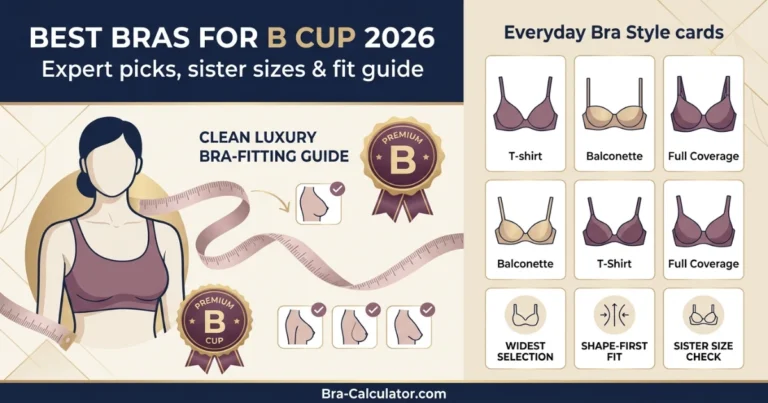
Best Bras · Wire-Free Support Guide
Best Non-Wired Bras for Large Busts: What Actually Makes Them Supportive?
A wire-free bra can absolutely work for a fuller bust—but the best one is rarely the softest-looking bra on the rack. It needs a stable band, cups with enough depth, controlled stretch and support that remains comfortable after several hours.
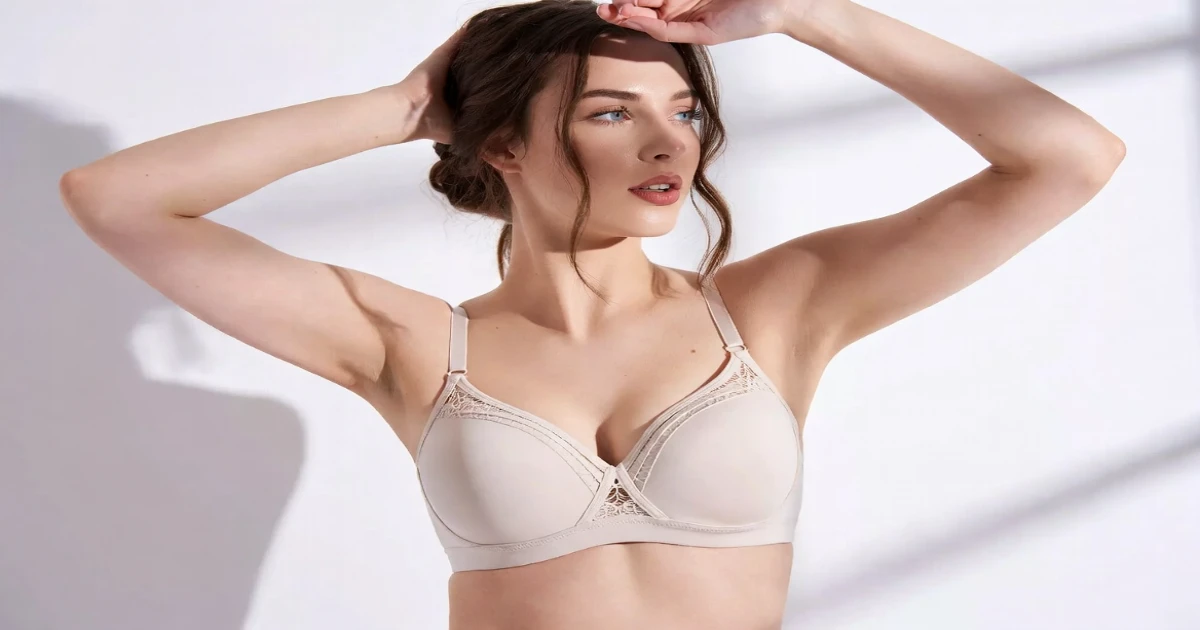
This guide compares construction and fit characteristics—not laboratory-tested rankings or guaranteed results.
What makes a non-wired bra supportive for a large bust?
Underwires are one way to position the cups and distribute support; they are not the only way. A good wireless design replaces that rigid frame with strategic fabric tension, cup seams, a secure band and sometimes an internal support sling. The important distinction is between stretch that accommodates movement and stretch that lets the bust sink downward.
1. A firm, level band
The band should anchor around the rib cage without creeping upward. Wider wings and a sturdy closure can make support feel steadier across the back. A wide band alone is not enough if its elastic is loose.
2. Cups with real depth
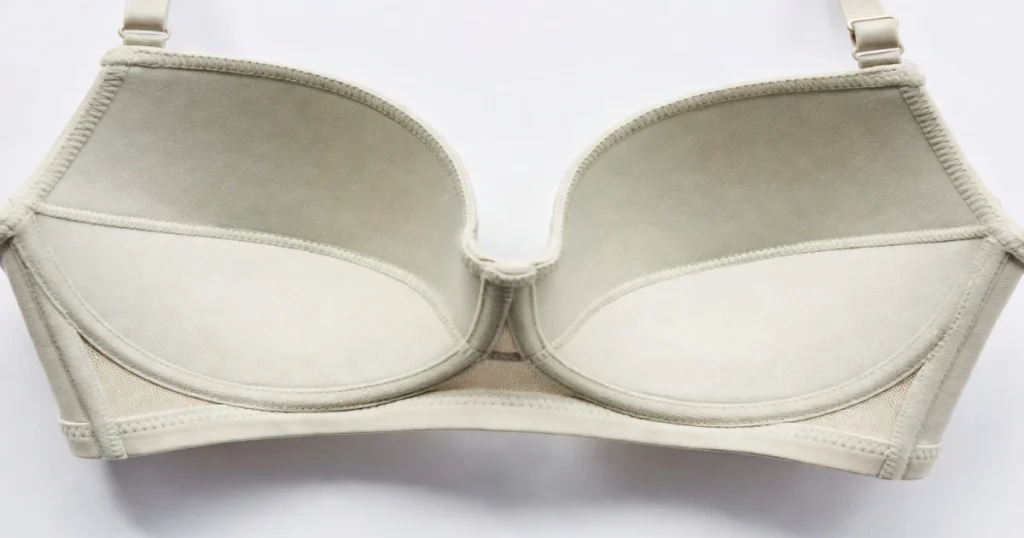
Fuller breasts need room forward from the chest, not simply extra fabric stretched sideways. Seamed cups and shaped panels usually offer more dependable depth than one flat, stretchy panel.
3. Side support and a defined center
Side slings can guide tissue forward and reduce the feeling that everything is spreading toward the underarms. Separation varies: a wire-free center cannot always sit as close to the chest as a wired center gore.
4. Straps that fine-tune, not carry everything
Adjustable, reasonably wide straps improve comfort and cup positioning. If tightening them is the only way to get lift, check the band and cup structure first.
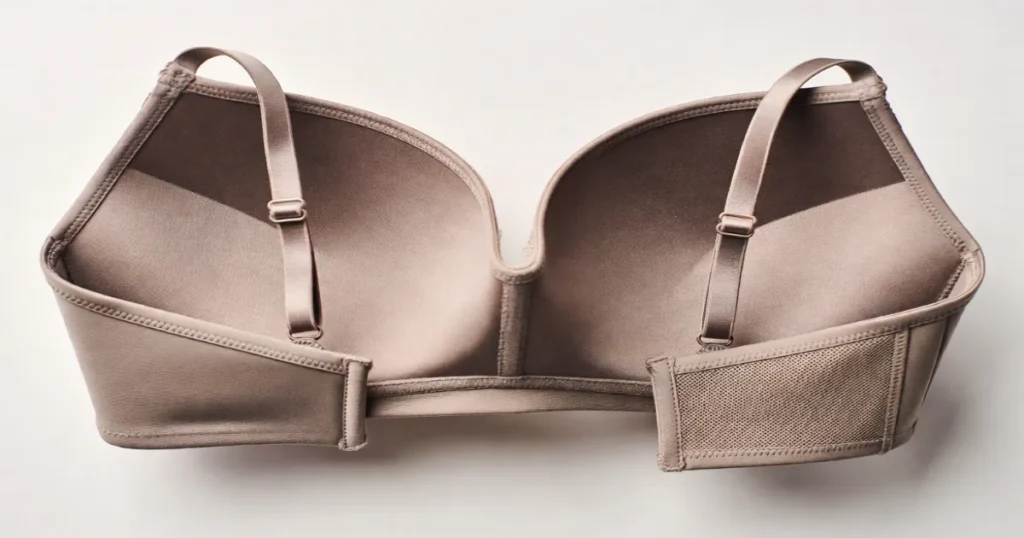
Fabric matters too. A stretch-cotton lounge bra is not built for the same task as a reinforced polyamide-and-elastane everyday bra. Power mesh can stabilize the sides; softer linings help with comfort. Neither fabric guarantees fit—placement and patterning still matter.
Which wireless bra style is best for your needs?
There is no universal winner. A person who wants a smooth T-shirt line may prefer molded cups; someone with a projected or softer bust may get better shape from seamed fabric. Here is a practical way to narrow the field.
| Style | Best starting use | What to check |
|---|---|---|
| Seamed, cup-sized wireless | Daily lift, shaping and depth for fuller cups | Side sling, underbust support and smooth cup seams |
| Full-coverage wireless | Security for movement and a contained neckline | Enough projection; coverage must not flatten the bust |
| Molded wireless T-shirt bra | Smoother outline under fitted clothing | Foam shape matching breast shape; avoid lower-cup collapse |
| Longline wireless | Extra torso contact and gentle distribution of pressure | Rolling at the ribs or waist when sitting |
| Stretch bralette / sleep bra | Relaxed days, low activity, home comfort | Less separation, less motion control, broad size ranges |
| Wireless sports bra | Exercise when designed for the required impact level | Impact rating, movement control and breathable fit |
Find the right wire-free bra construction
Rather than ranking unfamiliar products as “best” without hands-on comparative testing, these four shopping routes focus on the engineering most likely to solve a specific fit need. Check the brand’s current size chart, fabric content, returns policy and recent customer photos before ordering.
Affiliate disclosure: Some shopping links below go to Amazon and may earn Bra-Calculator.com a commission on qualifying purchases, at no additional cost to you. The links are searches for styles, not endorsements of a particular listing.
Seamed, full-cup wireless bras
Start here if you want real cup depth, defined lift and less sideways spread. Search for side-support panels and band/cup sizing.
Watch for: seams sitting on tissue, cups pulling outward or excessive upper-cup fabric.
Explore seamed wireless styles →Structured wireless T-shirt bras
A useful option for workwear and fitted tops when you prefer fewer visible seams. Choose a molded cup that follows your breast shape.
Watch for: empty space near the top with pressure at the bottom.
Explore T-shirt styles →Supportive lounge and sleep bras
Comfort can take priority when you are sitting, relaxing or sleeping. Look for breathable fabric and a stable underband rather than lift claims.
Watch for: straps slipping and breasts shifting toward the center.
Explore lounge styles →Wireless encapsulation sports bras
For fuller busts, separate shaped cups or targeted support panels can control movement better than a single low-support compression panel.
Watch for: bounce during a short movement test and shoulder pressure.
Explore sports styles →
How should a wireless bra fit on a large bust?
Start with measurements and then test the bra on your body. A calculation gives a starting size, not a promise that every brand will fit identically. Use our bra size calculator before comparing brand charts, especially if your current bra rides up, digs in or spills at the cups.
- Fasten the loosest suitable hooks. A new band should sit level and feel secure without painful compression. Keep breathing normally.
- Position the breast tissue inside each cup. Gently lift and settle tissue forward from the sides so the cup shape can be assessed accurately.
- Look at the top, sides and underbust. No persistent spill, cutting in, major wrinkles or collapsing lower-cup fabric.
- Move naturally. Raise both arms, sit, bend and walk. Check whether the band stays in place and the bust remains comfortably contained.
- Adjust straps last. They should sit comfortably on the shoulders, not rescue a loose band.
The band provides much of the anchoring, but the cups must help position and carry the bust as well. If a band feels unusually tight, the cup may be too small or too shallow. You can check the band separately by fastening the bra with its cups hanging down your back, then reassess with the cups correctly positioned.
Find Your Best Bra Match
Answer a few fit questions to get bra styles matched to your support needs, breast shape and everyday preferences.
Question 1 of 5
Why it matches
What to look for
What may not work
Private fit matching: your answers are used only to build the recommendation on this page. No measurements or fit selections are submitted to Bra-Calculator.com.
This tool suggests a starting bra style, not a medical or diagnostic recommendation. Individual brands and bra models can fit differently.
Match the wireless cup to your breast shape
Projected or full-on-bottom busts
Look for a deeper lower cup and visible seam structure. A flat, shallow seamless cup can push breast tissue downward or out to the sides even when the tag is technically your size.
Full-on-top busts
Choose an upper cup that allows fullness without cutting in. Some stretch-lace tops can help accommodate small variations in volume.
Wide-set or outward-facing breasts
A reinforced side panel can bring tissue forward without relying on overtightened straps. Do not expect every wireless bra to create close-together cleavage.
Soft tissue or asymmetry
Stretch in the upper cup can help accommodate differences; shaped lower sections maintain some lift. Fit the larger side first and adjust the smaller side if needed.
For broader fitting principles, read how to know whether a bra fits. If you need nursing access as well as strong support, explore wireless nursing bras for a large bust.
Common wireless bra problems—and what to change
| Problem | Likely possibilities | Try next |
|---|---|---|
| Back band rides up | Loose or overly stretchy band; straps over-tightened | Check band alone, then compare a firmer or smaller band with appropriate cup adjustment |
| Underbust folding or rolling | Band too tall for torso, poor elastic recovery, wrong shape | Try shorter or more structured wings; test sitting down |
| One continuous “uniboob” shape | Single stretchy front panel or inadequate cup division | Try separate seamed cups and a stronger center panel |
| Shoulder straps dig | Band not anchoring, straps too tight or cups too shallow | Recheck band and cup depth before changing strap width |
| Spillage near armpits | Insufficient side coverage, shallow or small cup | Try side-support wings or greater cup depth |
| Wrinkled or gaping cup | Cup too large or wrong shape for your fullness | Test another cup shape, then nearby cup sizes |
A common mistake is automatically going up a band size when a bra feels tight. Small or shallow cups can make the entire bra feel restrictive. Conversely, a band that constantly slides is unlikely to give lasting lift no matter how comfortable it initially feels.
Can one wire-free bra handle every situation?
Usually not—and that is normal. The bra that feels excellent on a quiet afternoon may not be the best choice for commuting, carrying bags, sports or a long day on your feet.
Everyday wear and desk work
Seamed wire-free styles are often a useful starting point for combined comfort and shape. Pay attention to whether the lower cup remains supported when you sit for a long period.
Walking and exercise
A regular wireless bra is not automatically a sports bra. Choose a sports design suited to your activity and cup volume, then test bounce and strap pressure. Higher-impact movement generally needs purpose-built support.
Pregnancy, nursing and changing breast volume
Stretch zones and adjustable closures can help during size changes. Fit can change considerably, so avoid assuming that a pre-pregnancy cup size is still reliable. For feeding access, consider dedicated nursing designs rather than simply sizing up a standard bra.
Strapless and occasion wear
Wire-free strapless options exist, but larger busts may require specialized gripping, boning or internal structure. Test while sitting and moving before relying on one for a long event.
How to keep wireless bras supportive for longer
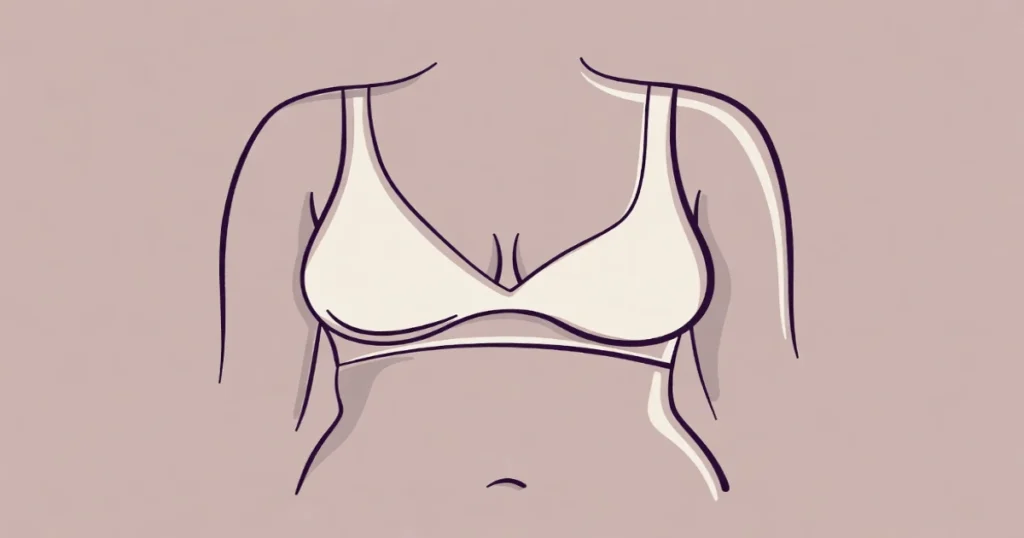
The most important material property is recovery: the band and cups should return toward their original shape after being stretched. Wash gently according to the care label; if machine washing is permitted, close hooks and use a lingerie bag. Avoid heat drying when the label advises against it, as excessive heat can weaken elastic and bonded finishes.
Rotate frequently worn bras so each one gets a break between wears. Replace one when the tightest hook is still loose, the cups have permanently distorted or the elastic no longer recovers. Lifespan depends heavily on wear, washing and fabric quality—not a fixed number of months.
Frequently asked questions
Are non-wired bras supportive enough for large busts?
Yes, many are, particularly structured designs with firm bands, shaped cups, side panels and adjustable straps. The amount of lift and separation varies by construction and breast shape. Some wearers will still prefer wired support for certain activities.
Which wireless bra is best for heavy breasts?
Start with a cup-sized, seamed wireless bra with a stable underband and side support. “Heavy” alone does not determine a size; band measurement, volume, breast shape and activity all influence the right choice.
Do wireless bras cause sagging?
There is no good basis for claiming that choosing a properly fitting wire-free bra causes sagging. Breast shape can change with age, genetics, pregnancy, weight changes and other factors. Select bras for comfort and support rather than a promise to prevent anatomical changes.
Why does my wireless bra give me a uniboob?
Often the cups share one stretchy front panel without enough structure to keep them distinct. Two-cup seamed designs and stronger center panels may offer better separation.
Should I size up when buying a non-wired bra?
Not automatically. First use your current measurements and the specific brand’s chart. If the band feels tight, check cup depth and fit before increasing the band; if the cup cuts in, compare a larger or deeper cup.
Can a wireless bra work for high-impact workouts?
Some purpose-built wireless sports bras provide high support, but casual wireless everyday bras generally are not made for high-impact exercise. Look at the sports bra’s specified intended activity and check movement control in a try-on.
What is the difference between wireless and seamless?
Wireless means no underwire is built into the bra. Seamless refers to how the cup or garment is constructed and finished. A bra can be wireless and seamed, wireless and seamless, or wired and seamless.
How often should I measure my bra size?
Measure when a familiar bra stops fitting, after meaningful body changes, or before buying from an unfamiliar size system. There is no single schedule required for everybody. Use measurements as a starting point and verify fit in each style.
The bottom line: choose support you can actually feel
A good non-wired bra for a large bust holds its position when you move, gives your breast tissue enough depth, and stays comfortable without making the shoulders do all the work. The label “wire-free” is only the beginning of the story. The construction is what makes it useful.
Start with accurate measurements, select the style for the occasion, and assess how it fits after moving—not just standing still. If the first try does not work, a different cup shape is often as valuable as a different size.
Check your starting bra size →Editorial note: No specific bras are presented as independently wear-tested or clinically tested. Availability, sizing and product construction can change; confirm details directly with retailers.