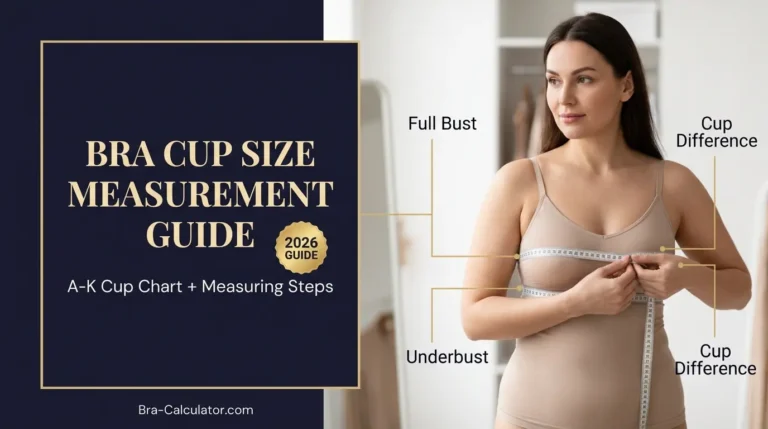
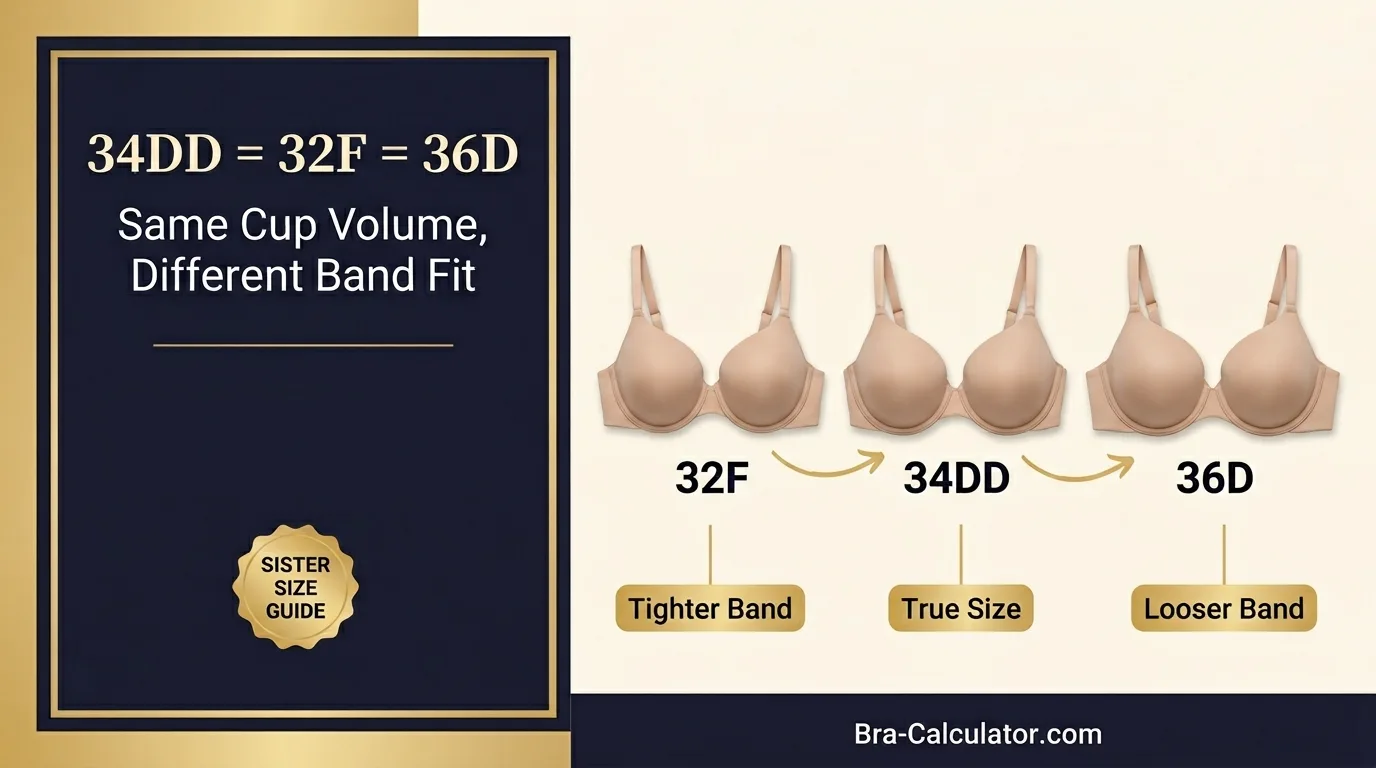
Sister sizes are bra sizes with the same cup volume but different band lengths. To use sister sizing, go down a band and up a cup, or go up a band and down a cup. For example, 34DD = 32F = 36D. All three can fit the same breast volume, but the band tension, wire width, cup placement and comfort feel different. Sister sizes are best for fixing band problems, brand differences and out-of-stock sizes — not for true cup-volume problems like heavy spillage or empty cups.
Jump to a Section
Sister Sizes at a Glance
| Concept | Meaning | Example |
|---|---|---|
| Sister size | Same cup volume with a different band length | 34DD = 32F = 36D |
| Go down a band | Choose a tighter band and go up one cup letter | 34DD → 32F |
| Go up a band | Choose a looser band and go down one cup letter | 34DD → 36D |
| Best use | Fix band tension while keeping similar breast volume | Loose band? Try 32F instead of 34DD |
| Wrong use | Trying to fix true cup volume problems with band changes | Quad-boob usually needs more cup volume |
| Most famous trio | One tighter sister, one true size, one looser sister | 32F · 34DD · 36D |
What Are Sister Sizes?
Sister sizes are bra sizes that share the same approximate cup volume even though the number and letter on the label look different. This is the part that confuses almost everyone at first: a DD cup is not the same size in every band. A 30DD, 34DD and 40DD are not identical cup volumes because cup letters scale with band size.
That is why sister sizing matters. When you change the band, you also adjust the cup letter to keep the breast volume close. If you go down in the band, the cup letter needs to go up. If you go up in the band, the cup letter needs to go down. That is how 34DD = 32F = 36D can make sense.
Think of sister sizes like different frames around the same volume. The breast volume may be similar, but the frame changes. A smaller band creates firmer tension around the ribcage. A larger band creates a looser, more relaxed fit. This is why two sister sizes can both technically contain the same breast volume, yet one may feel much more supportive and the other may feel more comfortable.
If bras always pinch, gap, slip or feel wrong no matter what size you buy, the issue may be that you are only trying one size when your body can realistically fit a small family of related sizes. Once you understand sister sizing, shopping becomes easier because you have options when your usual size is sold out, when a brand runs tight, or when your body changes slightly.
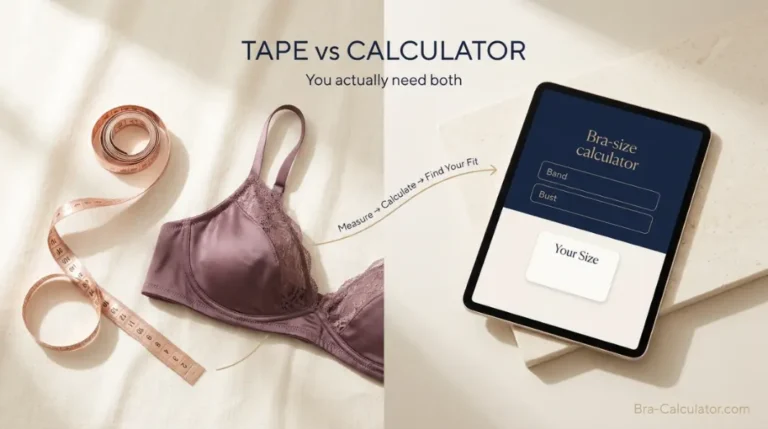
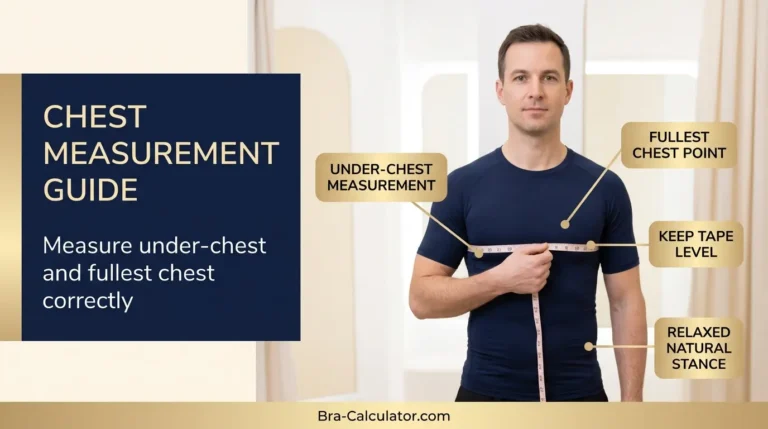
Before using sister sizes, start with your best baseline measurement using the Bra Size Calculator. Then use the Sister Size Calculator to explore tighter and looser same-volume options.
Why Sister Sizes Matter So Much in 2026
Bra shopping in 2026 is more flexible than ever, but it is also more confusing. People buy across online stores, international brands, direct-to-consumer labels, stretchy wireless bras, firm sports bras, and brands with very different cup shapes. One size label no longer guarantees the same fit experience everywhere.
Sister sizes help you adapt. If your size is sold out, you may still have another option that holds the same breast volume. If a brand runs very stretchy, you may get better support by choosing a band-down sister. If a brand runs firm or you have rib sensitivity, a band-up sister may feel more wearable. If your body changes during weight fluctuation, bloating, hormonal shifts or postpartum phases, sister sizes give you a bridge before you replace your whole bra drawer.
They are also helpful because real bra fitting is not only about cup volume. It includes band tension, strap placement, wire width, cup depth, tissue direction and your personal comfort tolerance. Sister sizing lets you keep volume close while changing the part of the bra that feels wrong.
For example, if your 34DD cup seems right but the band rides up, moving to 32F keeps a similar volume with a firmer band. If your 34DD cup seems right but the band digs into your ribs, moving to 36D keeps a similar volume with more breathing room.
Sister sizes are not duplicates. They are same-volume options with different band tension and fit behavior.
The Sister Size Formula
The golden rule is simple, but it is powerful enough to solve many everyday bra shopping problems.
Go down one band size and up one cup letter to keep similar cup volume.
Go up one band size and down one cup letter to keep similar cup volume.
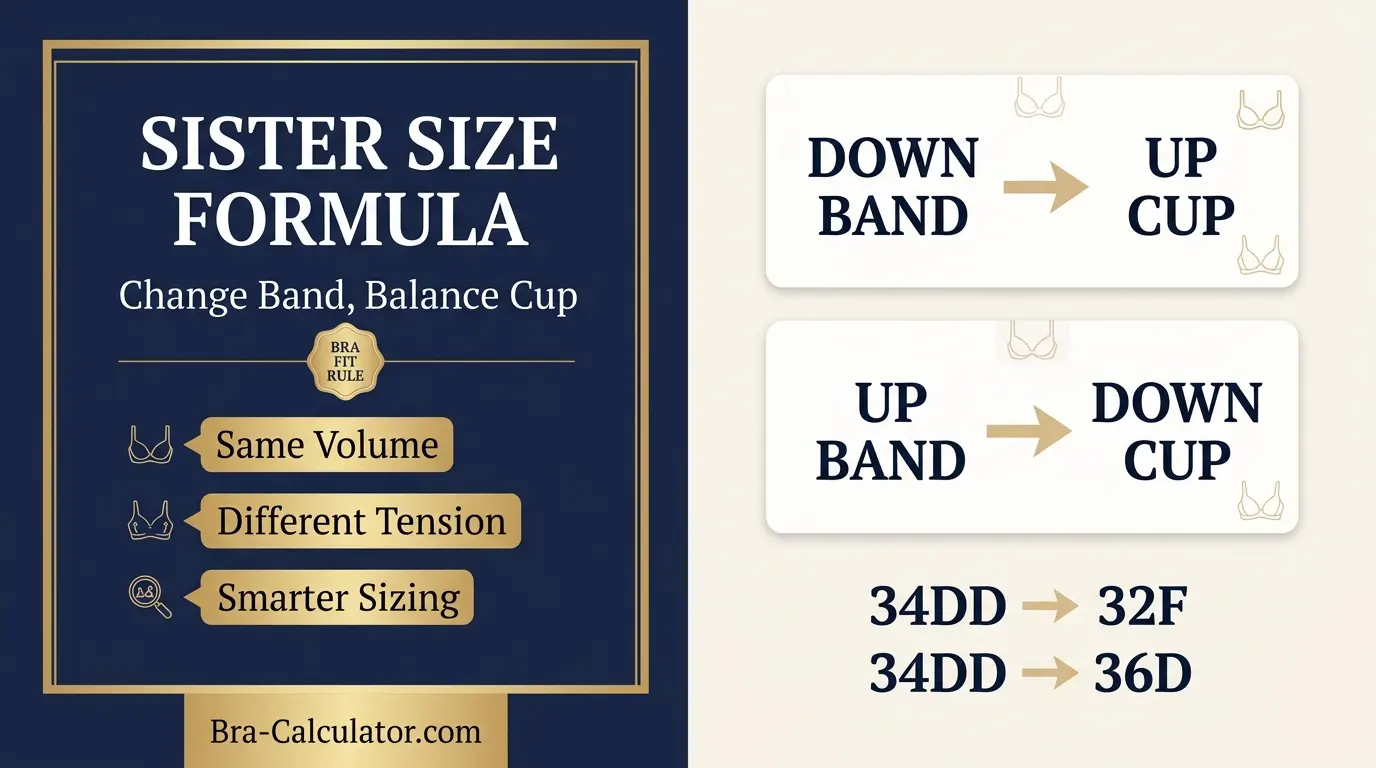
Use the size that is closest to fitting well. Example: 34DD.
Go down a band and up a cup. 34DD becomes 32F.
Go up a band and down a cup. 34DD becomes 36D.
Do not rely only on sister sizing. Adjust cup volume or cup shape directly.
Check band level, cup containment, wire placement, gore position and strap stability.
Complete 2026 Sister Size Chart Bands 28–44
This chart shows common DD sister-size families across bands 28–44. Use it when the cup volume is close but the band feels too tight or too loose.
| Base Size | −2 Band Sister | −1 Band Sister | Base | +1 Band Sister | +2 Band Sister |
|---|---|---|---|---|---|
| 28DD | 24G | 26F | 28DD | 30D | 32C |
| 30DD | 26G | 28F | 30DD | 32D | 34C |
| 32DD | 28G | 30F | 32DD | 34D | 36C |
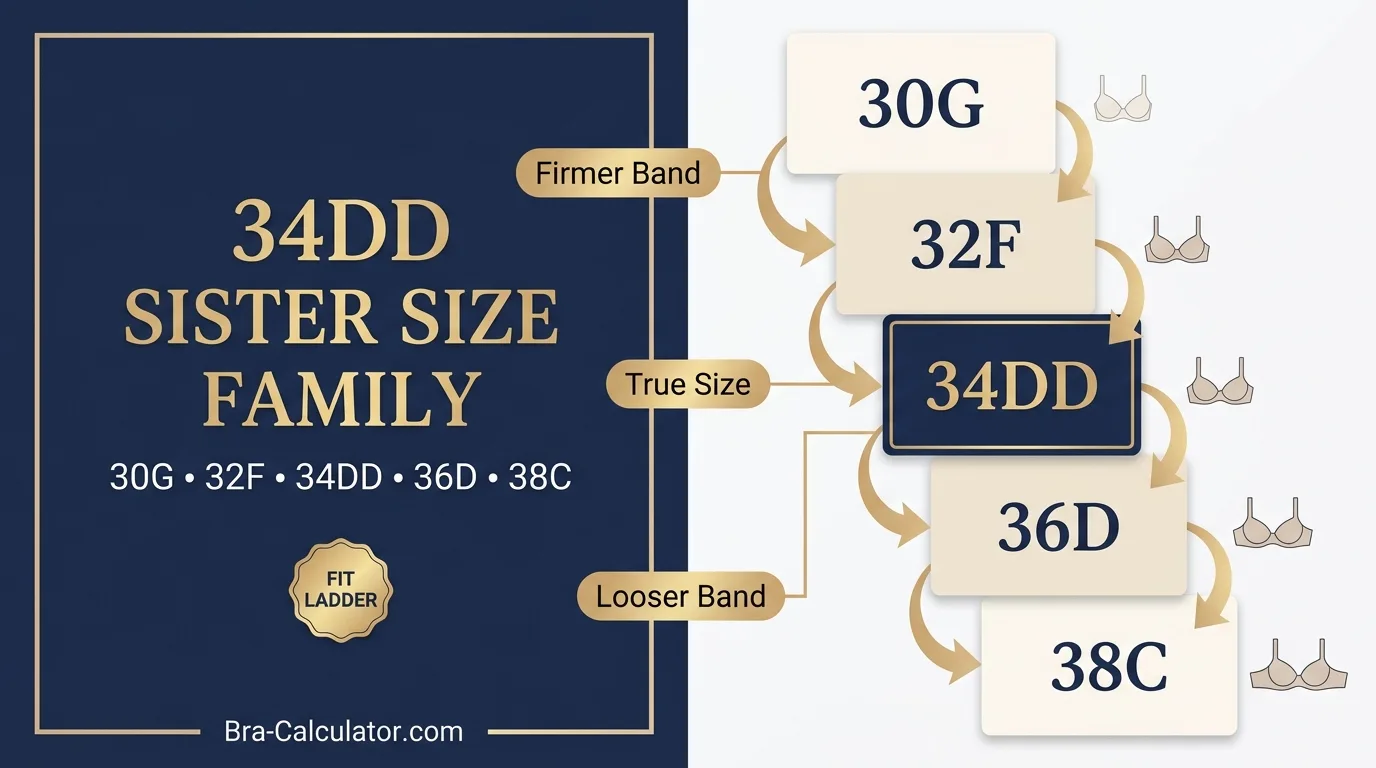
| 34DD | 30G | 32F | 34DD | 36D | 38C |
| 36DD | 32G | 34F | 36DD | 38D | 40C |
| 38DD | 34G | 36F | 38DD | 40D | 42C |
| 40DD | 36G | 38F | 40DD | 42D | 44C |
| 42DD | 38G | 40F | 42DD | 44D | 46C |
| 44DD | 40G | 42F | 44DD | 46D | 48C |
Use the outer sizes cautiously. Moving more than one band away from your baseline can change wire width, strap placement and support balance. The closest sisters — one band down or one band up — are usually the most practical.
The Most Searched Sister Size Families
Most shoppers search sister sizes when a popular size is sold out or when a band feels wrong. These are some of the most useful sister-size families to understand.
| Base Size | Tighter Sister | Looser Sister | Best Use |
|---|---|---|---|
| 32DD | 30F | 34D | Useful when 32DD band slips or feels tight |
| 34DD | 32F | 36D | Classic sister-size example |
| 36DD | 34F | 38D | Good for support vs comfort tuning |
| 38DD | 36F | 40D | Useful across plus-size and full-bust brands |
| 34D | 32DD | 36C | Common for T-shirt bras and wireless styles |
Why 34DD = 32F = 36D
The size 34DD is one of the best examples for understanding sister sizes because its sister family is commonly available and easy to compare. A 34DD is the middle point. When you go down to a 32 band, the cup letter increases to F to keep the volume similar. When you go up to a 36 band, the cup letter decreases to D to keep the volume similar.
That means 32F, 34DD and 36D can all hold approximately the same breast volume. But they do not feel identical. The 32F will feel firmer around the ribcage and may offer stronger support if the band is not too tight. The 36D will feel looser and may be more comfortable if the 34 band feels restrictive. The 34DD sits between them.
This is why sister sizing is not magic in the sense of “every sister size will fit perfectly.” It is magic because it gives you options. It lets you ask the right question: is the cup volume wrong, or is the band tension wrong?
When to Use Sister Sizes
Sister sizes are most useful when the cup volume feels close but the band does not feel right. They are not a cure for every fit problem.
Band rides up or feels loose
Your band is not anchoring support securely. The cups may be fine, but the frame is too loose.
Band digs in or feels too tight
If the cup volume feels right but the band feels restrictive, a looser sister may help.
Straps keep falling
Slipping straps can happen when the band is too loose and the frame is unstable.
Underwire pokes ribs
The band may be too tight, or the wire shape may be wrong for your torso.
Quad-boob or heavy spillage
This is usually not a band problem. You may need more cup volume.
Cup gaping or empty space
Gaping may mean too much cup volume, a loose band or the wrong cup shape.
| Fit Problem | What to Do | Example for 34DD |
|---|---|---|
| Band rides up / loose | Go down a band, up a cup | 32F |
| Band digs in / too tight | Go up a band, down a cup | 36D |
| Straps keep falling | Try tighter band sister | 32F |
| Underwire pokes ribs | Try looser band sister | 36D |
| Quad-boob / spillage | Increase cup volume, not just sister size | 34E or 32G |
| Cup gaping / empty space | Reduce cup volume or check cup shape | 34D or 36C |
When Sister Sizing Does Not Work
Sister sizing is powerful, but it is not the answer to every bra problem. The biggest mistake is using sister sizes to avoid changing the actual cup volume when the cup is clearly wrong.
If tissue spills out of the cup, the cup volume or cup shape may be wrong.
This can mean too much cup volume, too shallow a shape mismatch, or a band that is too loose.
Sister sizing may change wire width, but it will not always solve tissue compression.
A floating gore often means cup volume is too small or cup depth is wrong.
A sister size will not fix a cup that is too tall, too shallow, too wide or too closed for your shape.
If your fit problem is more about shape than band tension, read the Best Bra Types for Every Breast Shape guide before buying another sister size.
2026 Sister Size Tips by Bra Style
Different bra styles behave differently. A sister size that feels perfect in a sports bra may feel too tight in a lounge bra. Style matters.
Sports bras need stability. If your regular size feels loose during movement, a band-down sister may improve support.
Wireless and lounge styles can feel better in a looser sister, especially if the fabric has less structured support.
Molded cups can gape if the shape is wrong, so do not blame size alone.
Sister sizing can adjust the band, but open cup design still matters for fullness.
Full-coverage bras can work well in sister sizes if wire width and cup depth stay comfortable.
Lettered bralette sizing may not follow sister-size logic exactly.
Why Brands Make Sister Sizing Useful
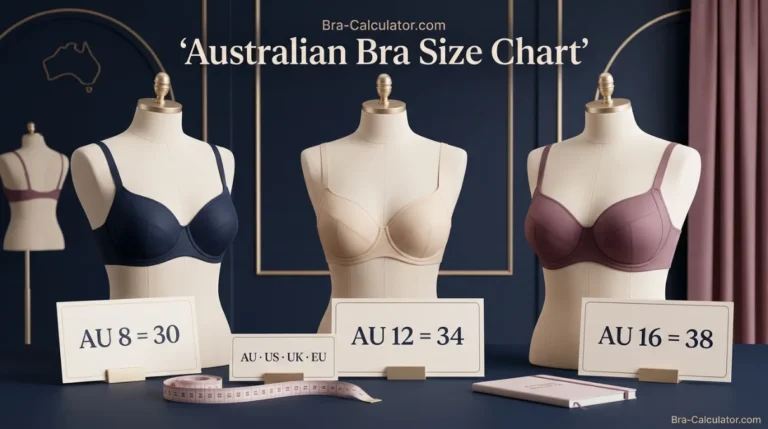
One of the biggest reasons sister sizes matter is that brands do not build bras the same way. A 34DD in one brand may feel loose, while another 34DD feels firm or shallow. Sister sizing gives you a smarter way to adapt instead of assuming your body is the problem.
| Brand / Style Type | Common Fit Behavior | Sister Size Tip |
|---|---|---|
| Victoria’s Secret / Skims | Often stretchier bands and softer structure | Many shoppers test a band-down sister for more support |
| Freya / Panache / Curvy Kate | Often firmer bands, deeper cups and fuller-bust engineering | True size, band-up sister or cup-shape adjustment may help |
| ThirdLove | Firmer support and structured everyday styles | Try true size first; band-up sister may help rib sensitivity |
| Aerie / Parade | Flexible fabrics and comfort-led construction | Sister sizes can work well for comfort tuning |
| Sports bras | Compression and movement control need stability | Band-down sister may improve hold |
| Wireless / lounge bras | Less rigid structure, more stretch and comfort focus | Band-up sister may feel better for relaxed wear |
Sister Sizes for Different Breast Shapes
Sister sizes change band tension and cup letter, but they do not automatically change whether the cup shape suits your body. Breast shape still matters.
| Breast Shape / Fit Pattern | Sister Size Tip | Better Style Direction |
|---|---|---|
| Full on top | Do not size down if the top edge cuts in | Balconette or stretch lace |
| Full on bottom | Gaping may be cup height, not volume | Plunge or demi |
| East-west | Band changes may not center tissue | Side-support or contour |
| Side-set | Looser band can reduce centering | Plunge or front-close |
| Bell-shaped | Needs stable band and deeper cup | Full coverage or side support |
| Relaxed tissue | Too-loose sister may reduce lift | Structured plunge or molded cup |
Amazon Picks That Work Well With Sister Sizing
Use these as helpful product categories. Replace the placeholder links with your own Amazon affiliate URLs.

Everyday T-Shirt Bra
- Useful for comparing your baseline size and sister size.
- Smooth cups make gaping and spillage easier to notice.
- Good first test before buying multiple styles.

Full-Coverage Support Bra
- Helpful when checking whether cup volume or band tension is the real issue.
- Good for fuller busts needing stable support.
- Works well for comparing 34DD, 32F and 36D comfort.

High-Impact Sports Bra
- Useful when a firmer band sister may improve support.
- Good for high-impact movement and running.
- Best tested carefully because sports bras already fit firm.
Common Sister Sizing Mistakes
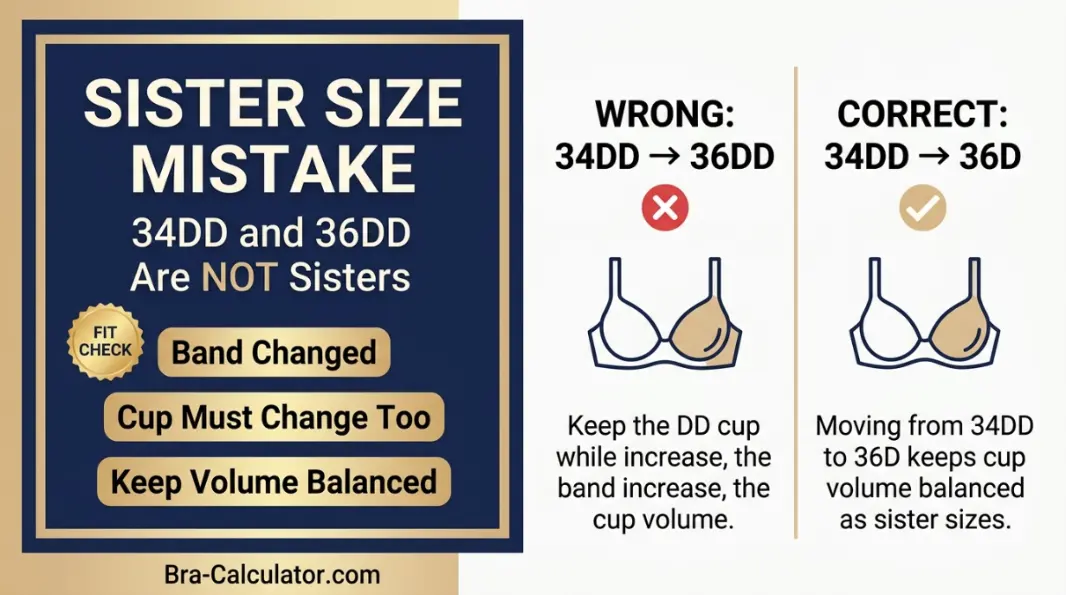
They are not. A 36DD has a larger cup volume than a 34DD because the band is larger and the cup letter stayed the same.
30G and 38C may be in the same extended family as 34DD, but support, wire width and strap placement can change a lot.
If you are spilling heavily, the cup is probably too small. Sister sizing may not solve it.
A sister size can still fit poorly if the cup shape is wrong for your fullness or projection.
FAQs About Bra Sister Sizes
Is 32F the same as 34DD?
Yes. 32F and 34DD have similar cup volume, but 32F has a tighter band. It can work well if 34DD feels loose around the ribcage.
Is 36D the same as 34DD?
Yes. 36D has similar cup volume to 34DD but a looser band. It can help if 34DD feels too tight in the band.
Is 34DD bigger than 36D?
The cup volume is similar, but the fit is different. 34DD has a smaller band and 36D has a larger band. The 36D may feel looser and less supportive if your ribcage needs a 34 band.
Are 34DD and 36DD sister sizes?
No. If you go from 34DD to 36DD, both the band and cup volume increase. The sister size of 34DD on a 36 band is 36D.
Should I sister size up or down?
If the band is loose, go down a band and up a cup. If the band is tight, go up a band and down a cup.
Do sister sizes always fit the same?
No. Cup volume is similar, but band tension, wire width, strap placement, cup depth and brand construction can change the fit.
Can sister sizes fix cup spillage?
Not usually. Spillage is often a true cup volume issue. You may need a larger cup, not just a sister size.
Can sister sizes fix cup gaping?
Sometimes, but gaping can also come from cup shape, too much cup volume, or a loose band. Check both cup volume and band tension.
Can I use sister sizes after weight loss?
Yes, but remeasure first. Weight loss can change both band and cup volume, so you may need a new baseline size rather than only a sister size.
Are sister sizes accurate in sports bras?
They can help, especially when testing firmer support. But sports bras already fit tighter, so avoid sizing down too aggressively.
Do UK and US sister sizes work the same?
The band-up and band-down logic is similar, but cup letters can differ after DD depending on the sizing system. Always check whether the brand uses US, UK or EU sizing.
What is the tightest sister size for 34DD?
A common tighter sister is 32F. An extended tighter option is 30G, but moving two bands down can change comfort and wire placement a lot.
How many sister sizes do I have?
Most people can test 3–5 useful sister sizes, but your realistic range depends on comfort, band tension, support needs, cup shape and available sizes.
Never Struggle With Bra Sizing Again
Your bra tag is not your destiny. Your body may fit several sister sizes depending on brand, style, fabric stretch and support needs.
The classic example is simple: 34DD = 32F = 36D. Same approximate cup volume, different band tension. Use sister sizing when the cup volume feels close but the band feels wrong. If the cup spills, gaps, collapses or cuts in, fix cup volume or cup shape first.
Once you understand sister sizes, you stop being trapped by one label. You can shop smarter, handle sold-out sizes, adjust across brands and fine-tune comfort without guessing.
Find Your Full Sister Size Family
Stop guessing across brands. Use the free calculator to find your tighter, looser and same-volume sister sizes instantly.