38G vs 38H: Cup Volume, US vs UK Sizing & Fit Differences
At G/H cup volume, the letter jump can hide a much larger construction change. US and UK charts also place different cups between G and H.

Choose the fit signs you notice in the band, cups, center and straps. We’ll turn them into a practical next step for 38G.
Private fit check — your answers stay in your browser and are used only for this on-page guidance. Nothing is stored or submitted.
38G vs 38H: the practical difference
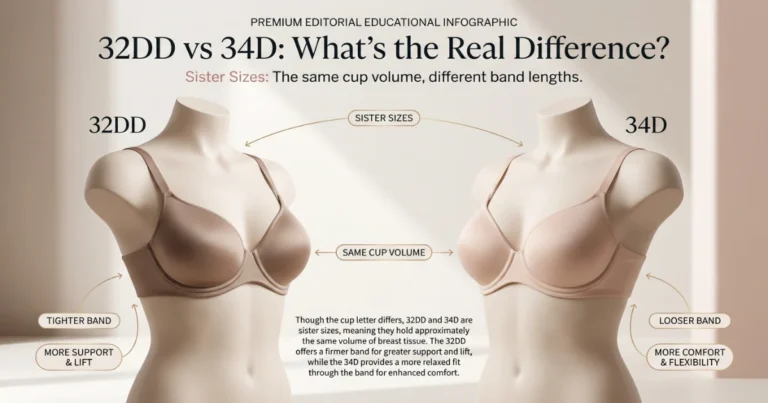
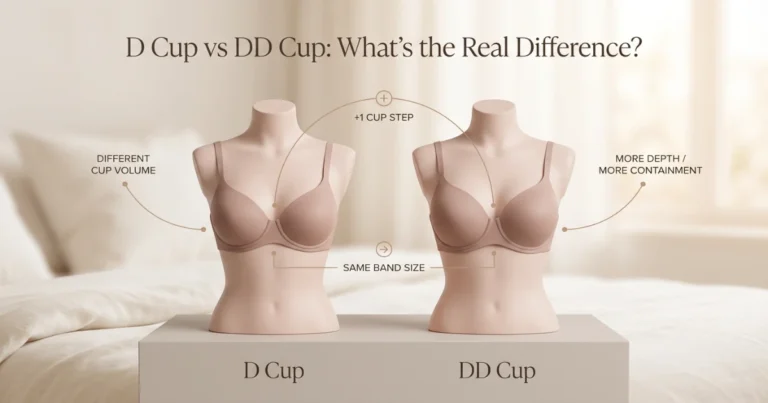
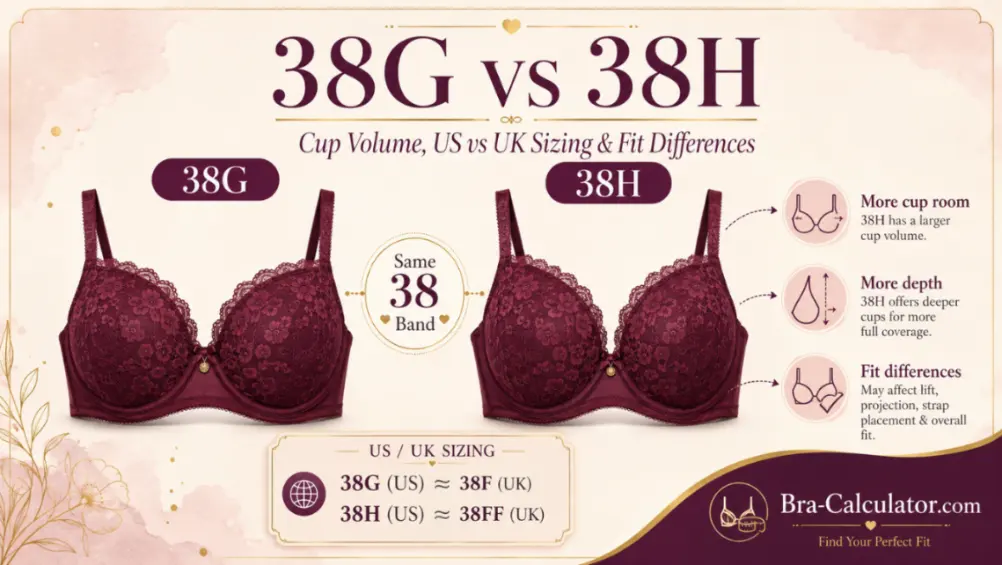
In many US size charts, 38H is the next cup above 38G on the same band. In UK sizing, GG sits between G and H, so 38H can be two cup steps above 38G. Choose 38G when H feels oversized or too tall; move toward 38H when G causes persistent compression, side escape, center spill or a wire that cannot stay seated.
Which Should You Choose: 38G or 38H?
38G works when the band is solid and the cup supports without requiring excessive coverage. If H creates excess fabric near the strap, spreads the wire too far back or loses tension at the top edge, G may be the more precise size—or you may need a deeper but shorter G cup.
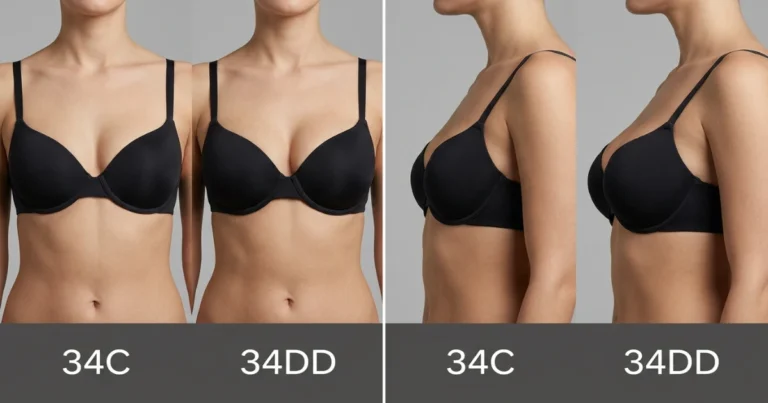
38H becomes the stronger option when G is working at its limit. At fuller volumes, “too small” often appears as downward cup displacement, a floating gore or a breast shape that is flattened instead of lifted. The H should make room while keeping the wire anchored.
Best comparison method: At G/H volume, hold the 38 band constant and verify whether the brand is US or UK sized. Then compare the cups in motion, because the larger construction differences often show up at the wire and side panel rather than only at the neckline.
Fuller-Cup Sizing Makes Construction Matter More
At G/H volume, cup engineering can change noticeably between sizes. Brands may reinforce the sling, widen straps, alter seam placement or use a firmer wing. These are not cosmetic details; they affect how weight is distributed and can make one size feel more supportive even before you account for volume.
UK and US labels create another layer. UK brands insert GG between G and H, while many US brands progress directly from G to H. So “38H is one cup bigger” is not a safe statement unless the sizing system is known.
The most useful home test is not cleavage or visual fullness. Focus on whether the breast sits in the cup without the wire being pushed down, whether the center front is stable, and whether you can move without the top edge cutting in or opening away.
How Measurements Change the 38G vs 38H Decision
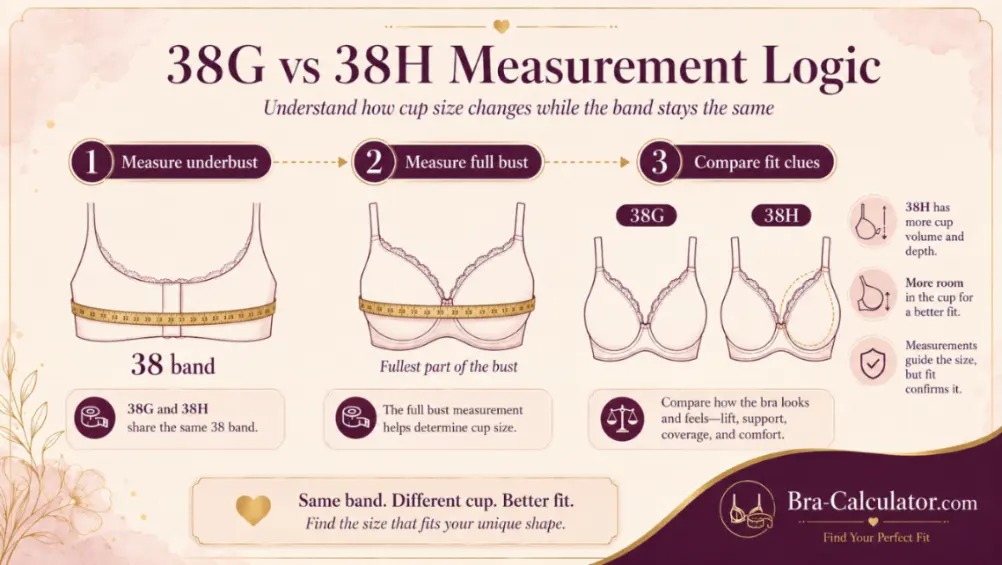
Both sizes retain the 38 band, which means you can keep band tension constant and inspect how the cups manage volume. At fuller cup sizes, even a small lack of depth can make the bra feel tight everywhere because the breast pushes the cups—and therefore the whole frame—forward.
Your full-bust measurement can suggest a starting size, but leaning bust and shape information become more useful when projection is significant. A deep, narrow cup and a wide, shallow cup can hold similar theoretical volume while fitting completely differently.
Read the Bra, Not Just the Size Tag
| Fit area | What you want | What the comparison may reveal |
|---|---|---|
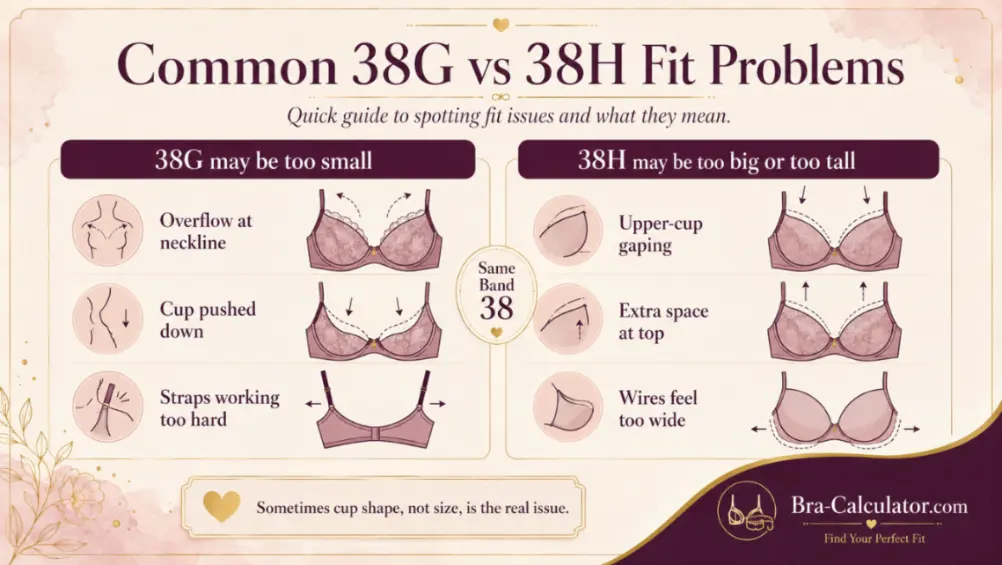
| Immediate depth | 38G should let the breast settle into the cup base | 38H is favored if G leaves an empty fold above the wire because the breast pushes the cup down |
| Upper containment | No cutting at neckline or near strap | H should add room without becoming excessively tall |
| Wire placement | Ends just beyond breast tissue | Watch for H becoming too wide if your roots are narrow |
| Gore behavior | Stable without painful pressure | Floating in G can indicate insufficient depth or center room |
| Support feel | Weight stays on the torso | If straps are doing all the lifting, reassess both band and cup shape |
For 38G vs 38H, look for downward cup displacement, not just visible spill. A wire that repeatedly drops below the breast fold is a strong sign that the cup cannot provide enough usable depth or shape.
How to Compare 38G and 38H Without Guessing
Find the sizing system
Check whether the bra is US or UK sized; this changes the size gap between G and H.
Loosen the straps first
Start with moderate strap tension so a too-small cup cannot be disguised by pulling the bra upward.
Set the wire in the fold
After scooping, lift the wire into the breast fold and see whether it stays there naturally.
Check the side seam
A side seam twisting backward can show the cup is being overloaded.
Sit down and breathe deeply
Fuller cups should remain comfortable at the base and gore when your ribcage expands.
Three Bra Constructions That Make the Difference Easier to See
A fuller-bust G/H test benefits from multi-part cups, real side support and an encapsulation option. These structures distribute volume more honestly than a generic shallow molded cup.

Deep Multi-Part Full-Cup Bra
Multi-part cups are especially useful at G/H volume because seams can create depth without making the entire cup excessively wide.
- Projection-friendly construction
- Stronger lower-cup support
- Clear visual fit feedback at gore and wire
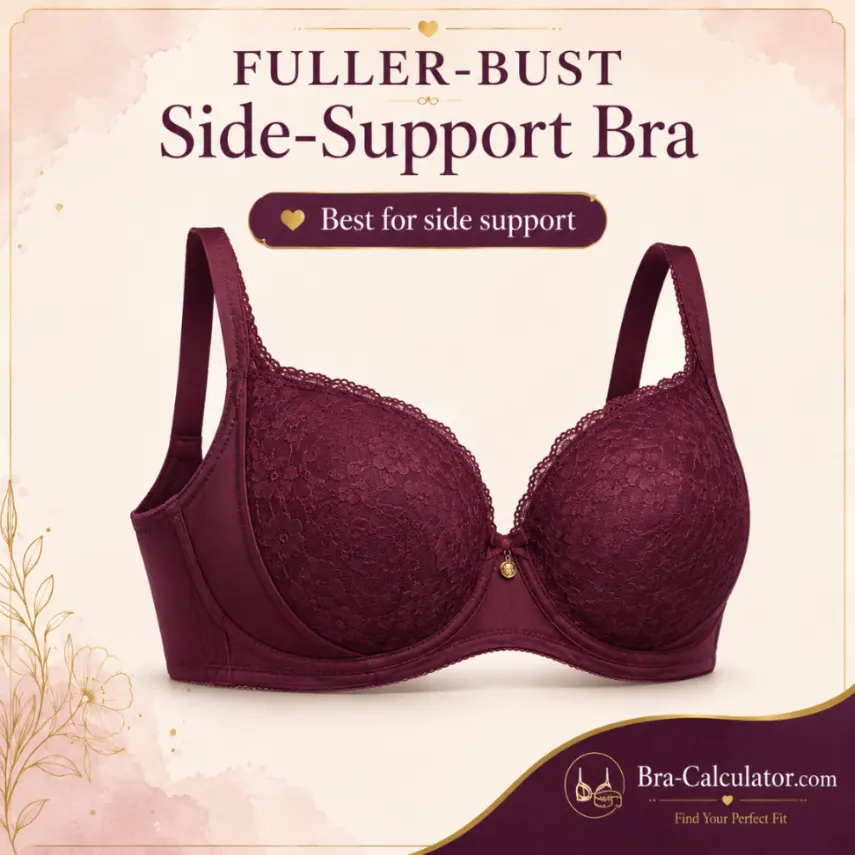
Fuller-Bust Side-Support Bra
A side-support panel can keep tissue centered and reduce the “wide cup” feeling that sometimes appears when moving into H.
- Forward shaping for fuller volumes
- Helps stabilize outer tissue
- Useful under fitted tops
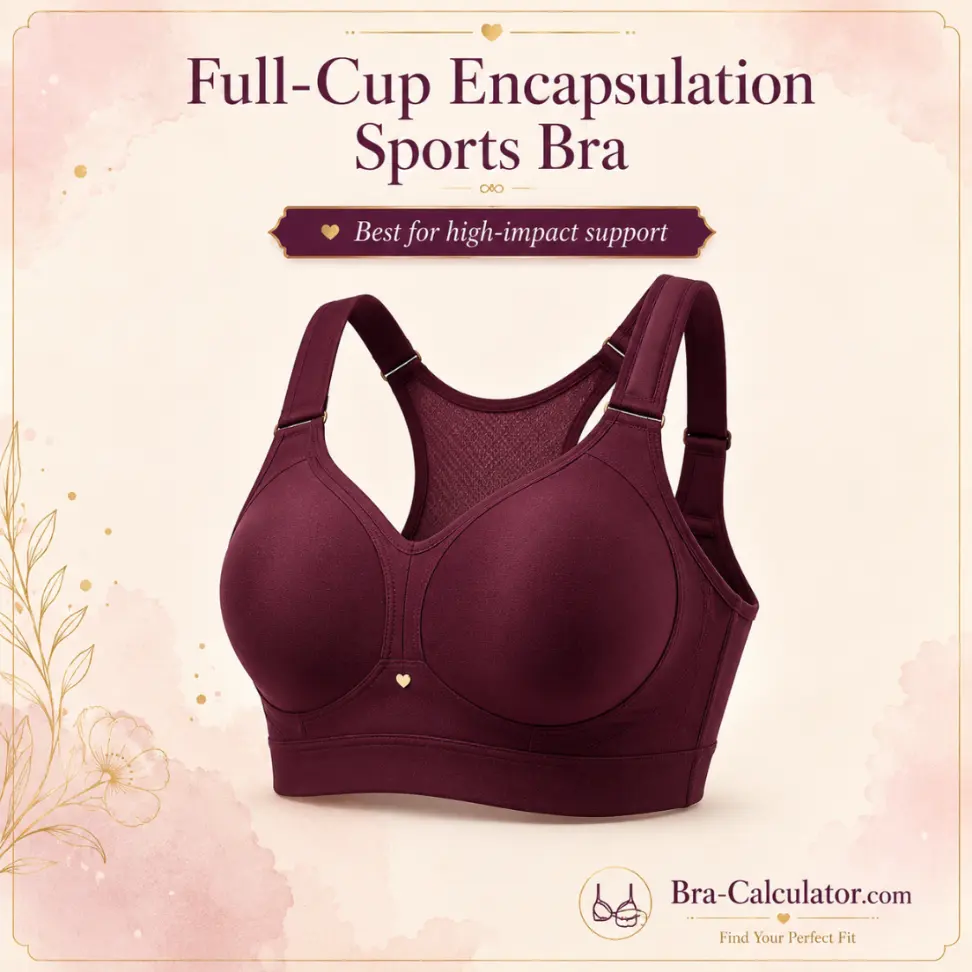
Full-Cup Encapsulation Sports Bra
At G/H volume, compression-only sports bras can distort the size test. Encapsulation lets you evaluate containment and band stability more cleanly.
- Separate breast support
- Better reading of cup capacity
- Movement reveals hidden instability
Breast Shape Can Change Which Size Looks Right
Narrow, projected breasts may need H-level capacity without H-level width. Look for narrow-wire, deep-cup specialists rather than assuming the smaller G is safer. Wide roots may have the opposite problem: enough depth in G but insufficient width at the side.
Full-on-top shapes often tolerate a more open upper cup, while full-on-bottom shapes may prefer stretch lace or a shorter cup edge. If H gapes only near the strap but fits everywhere else, that is a design issue more than a simple “too big” verdict.
Use Sister Sizing Only After You Know the Correct Cup Position
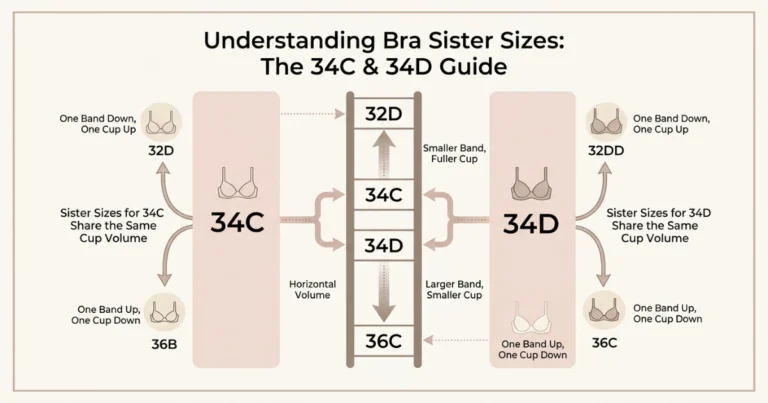
Once the cup is settled, sister-size carefully within the same system. UK sizing includes GG, so the direct sister path from 38H differs from a US chart. Do not mix the two ladders.
If a 38 band is too firm but 38H is the right cup in a US system, the looser sister may be labeled 40G. In UK sizing, the corresponding label is different because of the GG step. Always map by the brand’s chart.

Open the Sister Size Calculator → · Check International Conversions →
If You’re Ordering 38G or 38H Online
At fuller cup volumes, check whether the manufacturer changes the bra’s construction by size. Some models add a stronger lining, wider strap or taller wing above a certain cup. That can make the H version feel structurally different even when you expected only more volume.
If the product photos show a model in a much smaller cup size, do not assume the neckline and strap position scale identically into G or H. Look for retailer photos, customer images or technical diagrams in the fuller size range when available.
What Usually Goes Wrong in a 38G vs 38H Comparison
- Treating US 38H and UK 38H as the same cup position.
- Sizing down to G because H looks tall at the strap even though the base fits correctly.
- Using a compression sports bra to judge everyday cup volume.
- Overtightening straps to stop a G cup from sliding down.
- Ignoring wire width when moving into a larger fuller-bust cup.
Tools That Help You Confirm the Fit
38G vs 38H FAQs
Is 38H one cup bigger than 38G?
Often in US sizing, yes. In UK sizing, GG sits between G and H, so H is farther up the cup sequence.
Why does 38G slide down under my bust?
A common reason is insufficient immediate cup depth. The breast pushes the cup downward because it cannot settle into the base.
What if 38H fits the bottom but gaps near the strap?
That can be a cup-height or shape issue. Try a shorter or stretch-lace H rather than automatically sizing down.
Should the gore always tack completely in G/H cups?
It should be stable and close when anatomy allows, but very close-set breasts or certain sternum shapes can prevent a textbook tack.
Do fuller cups need wider straps?
Wider straps can improve comfort, but the band should still provide most of the support. Strap width alone does not fix an unstable band.
Which size is better for projected breasts?
The size with enough usable depth. Sometimes that is H; sometimes a deeper G shape works better than a shallower H.
The Bottom Line on 38G vs 38H
With 38G vs 38H, start by identifying US or UK sizing, then fit the cup in three dimensions. Depth at the base, wire width and upper-cup shape are more informative than the letter jump alone.
Still Between 38G and 38H?
Do not reduce a G/H decision to “bigger or smaller.” The winning size must provide enough depth without overshooting your root width, and enough upper-cup room without creating a tall empty pocket.