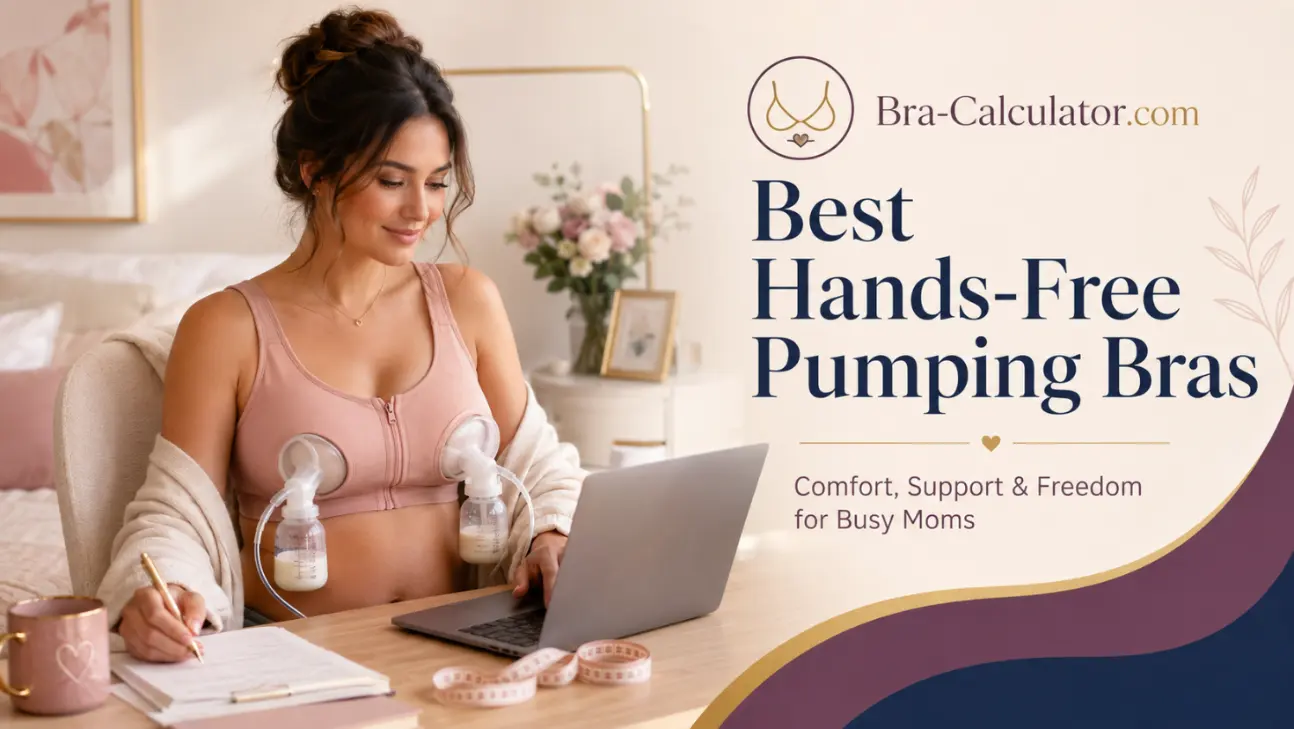
Best Hands-Free Pumping Bras for 2026

Amelia spent years as a lingerie buyer fitting customers across every band and cup size before founding Bra-Calculator.com. She built this comparison around one question working parents actually ask: “which bra holds through a real workday, not just a product photo?” More about Amelia →
Which Hands-Free Bra Fits Your Situation?
Pick where you pump most — the feature comparison table below highlights the matching design type, and Amelia’s specific pick appears here.
General guidance based on design type — always confirm flange and pump compatibility on the specific product listing.
In This Guide
- What “Hands-Free” Actually Needs to Do
- The Current Product Landscape
- Feature Comparison
- Cost-Per-Wear: Budget vs. Premium
- The 2026 Innovation Worth Knowing About
- What to Check Before Buying
- Budget vs. Premium: What You’re Actually Paying For
- Pros and Cons of Each Design Type
- A Step-by-Step Fitting Process for a New Hands-Free Bra
- Longevity Expectations by Design Type
- How Pump Technology Changes Have Shaped Bra Design
- A Closer Look at Flange Fit Within a Hands-Free Bra
- Fabric and Construction Details That Affect Long-Term Hold
- Situational Considerations: Home, Office, and Travel Pumping
- What Lactation Consultants Commonly Emphasize Beyond the Bra Itself
- A Brief Note on Warranty and Return Policies for This Category
Find Your Best Bra Match
Answer a few fit questions to get bra styles matched to your support needs, breast shape and everyday preferences.
Question 1 of 5
Why it matches
What to look for
What may not work
Private fit matching: your answers are used only to build the recommendation on this page. No measurements or fit selections are submitted to Bra-Calculator.com.
This tool suggests a starting bra style, not a medical or diagnostic recommendation. Individual brands and bra models can fit differently.
What “Hands-Free” Actually Needs to Do
If you’re comparing hands-free pumping bras, here’s the mechanical test that actually matters: hold two flanges at the correct angle for 15–20 minutes without you touching them. That’s a mechanical requirement, not a marketing term — a bra that “has slits for flanges” but no real tension isn’t hands-free, it’s just a bra with holes that lets flanges slip the moment you lean forward to type. Amelia’s shorthand for this in fitting-room terms: “a hands-free bra is a piece of structural engineering wearing fabric — the fabric is almost beside the point.”
The Current Product Landscape
The hands-free pumping bra category has consolidated around a handful of designs that repeatedly show up in lactation-consultant recommendations and published fit reviews. None of these are paid placements — they’re simply the models with the most consistent feature set for the “hold without touching” requirement.
Feature Comparison
| Design Type | Hold Quality | Best For | Discretion Under Clothing |
|---|---|---|---|
| Full front-zip pumping bra | High | Home/office desk pumping | Medium — visible zip line |
| Double-layer clip system (e.g. EasyClip) | High | All-day wear, pumping and nursing in one bra | High |
| Clip-down drop-cup with pump slits | Medium-High | Quick sessions, commuting | High |
| Pumping bustier/band (worn over a regular bra) | High | Longer sessions, double electric pumps | Low — bulky under fitted tops |
Cost-Per-Wear: Budget vs. Premium
Sticker price is misleading for a garment worn multiple times daily over months. Here’s the effective weekly cost once typical replacement frequency is factored in — the calculation explained in full further down this page.
The 2026 Innovation Worth Knowing About
The newest hands-free bras skip the visible zip or bulky bustier entirely and build flange-holding pockets directly into a seamless, bonded-cup bra — meaning the bra you wear to pump is the same bra you wear the rest of the day. That single change is what’s driving the “innovation” conversation in this category for working parents specifically, since it removes the need to change bras before and after a pumping session, and it’s the direction most new product launches in 2026 have followed.
What to Check Before Buying
- Flange size compatibility — most bras fit standard 24–27mm flanges; check specs before buying if you use a larger or smaller flange size.
- Fabric stretch recovery — cheap fabric loses tension after 20–30 washes, reducing hold and letting flanges drift mid-session.
- Strap adjustability — needed to compensate for cup-size fluctuation through the day without the whole bra feeling loose or tight.
- Wearable pump compatibility — if you use a Willow, Elvie, or similar in-bra pump, confirm the specific bra accommodates the pump’s shape, not just standard flanges.
- Care instructions — several premium double-layer designs recommend hand-washing; factor this into how many you’ll need in rotation.
Budget vs. Premium: What You’re Actually Paying For
At the budget tier, you’re generally getting a stretchy slit-opening design without a true double-layer clip mechanism — functional, but with less precise flange positioning. At the premium tier (roughly $40–55), the added cost usually buys a patented clip system, better fabric recovery over repeated washes, and a size range that extends further into busty and super-busty cuts. For working parents pumping multiple times a day, the durability difference alone often justifies the premium price for at least one or two of the four bras in a rotation.
Pros and Cons of Each Design Type
Double-layer clip systems (e.g., Kindred Bravely’s EasyClip): Pros — genuinely all-day wearable, works for both nursing and pumping in one bra, precise flange positioning. Cons — typically pricier, several models recommend hand-washing which adds laundry effort for a bra worn daily.
Stretchy slit-opening bras (common budget category): Pros — inexpensive enough to buy multiples for rotation, machine washable, simple to use. Cons — less precise flange hold over a long session, elastic tension degrades faster with frequent washing.
Pumping bustiers/bands worn over a regular bra: Pros — strong hold, works with almost any existing bra underneath. Cons — noticeably bulkier, not practical to wear under fitted office clothing for back-to-back meetings.
A Step-by-Step Fitting Process for a New Hands-Free Bra
- Put the bra on and clip/position it as you would for actual pumping, without flanges inserted first, to check general fit.
- Insert flanges and check that they sit centered on the nipple without excessive tilting — a poorly centered flange is often a hold problem, not a suction problem.
- Lean forward slightly and move your arms as you would typing or holding a phone — flanges should stay seated through this movement.
- Run a full pumping session before deciding the bra “doesn’t work” — some initial adjustment is normal, but consistent slipping through an entire session indicates a genuine fit or design mismatch.
Longevity Expectations by Design Type
Budget slit-opening bras may lose stretch recovery sooner under frequent washing, while more structured designs can retain flange hold longer when cared for according to the label. Premium double-layer designs, particularly those hand-washed as recommended, often maintain tension noticeably longer — a relevant factor when calculating actual cost-per-wear rather than just upfront price for a bra used multiple times daily.
How Pump Technology Changes Have Shaped Bra Design
The rise of wearable, in-bra pump systems over the past several years has genuinely changed what “hands-free” needs to mean. Earlier hands-free pumping bras were designed purely to hold traditional tube-and-flange pump equipment steady against the chest while both hands stayed free for other tasks. Wearable pumps collapse the flange, motor, and collection container into a single compact unit worn inside a bra cup, which shifts the bra’s job from “hold external equipment in place” to “provide a snug, supportive pocket for a self-contained device.” Several current bras are explicitly designed with this second job in mind, with slightly different internal shaping than a bra built purely around traditional flange compatibility — worth checking for specifically if you use or plan to use a wearable pump system.
A Closer Look at Flange Fit Within a Hands-Free Bra
Flange fit itself (the plastic or silicone piece that contacts the breast and connects to the pump) is a separate consideration from bra fit, and getting one right doesn’t guarantee the other is also correct. A too-small flange can cause discomfort or reduced output regardless of how well the bra holds it in place, while a too-large flange may not seal or express milk efficiently even in a perfectly fitted hands-free bra. If pumping output or comfort feels off despite trying multiple hands-free bras, it’s worth reassessing flange size specifically (many lactation consultants offer this as part of a pumping consultation) before assuming the bra itself is the problem.
Fabric and Construction Details That Affect Long-Term Hold
Beyond the general “seamless vs. zip vs. bustier” categories, the specific knit structure of the fabric matters for how long a hands-free bra maintains flange-holding tension. Four-way stretch knits (fabric that stretches and recovers in both horizontal and vertical directions) generally maintain tension through more wash cycles than two-way stretch fabrics, which is part of why certain premium lines specifically market their fabric’s stretch-recovery properties rather than just their clip mechanism. When comparing options, checking whether a fabric is described as four-way stretch is a reasonably reliable proxy for longer-lasting hold, even without lab-testing the material yourself.
Situational Considerations: Home, Office, and Travel Pumping
The “best” hands-free pumping bra can genuinely differ by situation — which is exactly what the picker tool above is built around. At home, where privacy and time aren’t major constraints, a slightly bulkier but maximally supportive design (like a pumping bustier worn over a regular bra) is a reasonable choice with no real downside. At the office, discretion and quick setup matter more, favoring the seamless all-day-wearable designs discussed throughout this page. While traveling — particularly through airport security or on a plane — a bra that’s simple to adjust one-handed in a cramped space (like an airplane bathroom) without needing a mirror or careful positioning becomes a meaningful practical advantage that doesn’t show up in typical product reviews focused on home or office use.
What Lactation Consultants Commonly Emphasize Beyond the Bra Itself
Independent of bra choice, lactation consultants frequently note that pumping output and comfort depend heavily on flange fit, pump suction settings, and let-down technique — factors entirely separate from which bra is worn. A hands-free bra solves the “keep the equipment in place” problem, but it doesn’t substitute for addressing these other factors if pumping sessions consistently feel uncomfortable or unproductive. If a hands-free bra fits well and flanges are correctly sized but sessions still feel off, that’s a reasonable point to consult a lactation professional about the pumping technique itself rather than continuing to troubleshoot bra choice alone.
A Brief Note on Warranty and Return Policies for This Category
Given how personal and hygiene-sensitive pumping bras are, return policies specifically for this product category can be more restrictive than general clothing returns — some retailers only accept returns with tags attached and original packaging intact. Checking a specific retailer’s return policy for nursing and pumping bras before ordering multiples to compare sizes avoids an unwelcome surprise if a size doesn’t work out as expected.
Best Product Options for This Fit Goal
These are editorial shortlists based on published product construction, size information, pump compatibility, and the fit goal of this page. Bra-Calculator.com has not physically lab-tested every model, so treat each pick as a starting point and verify the current listing, size chart, materials, and return terms.
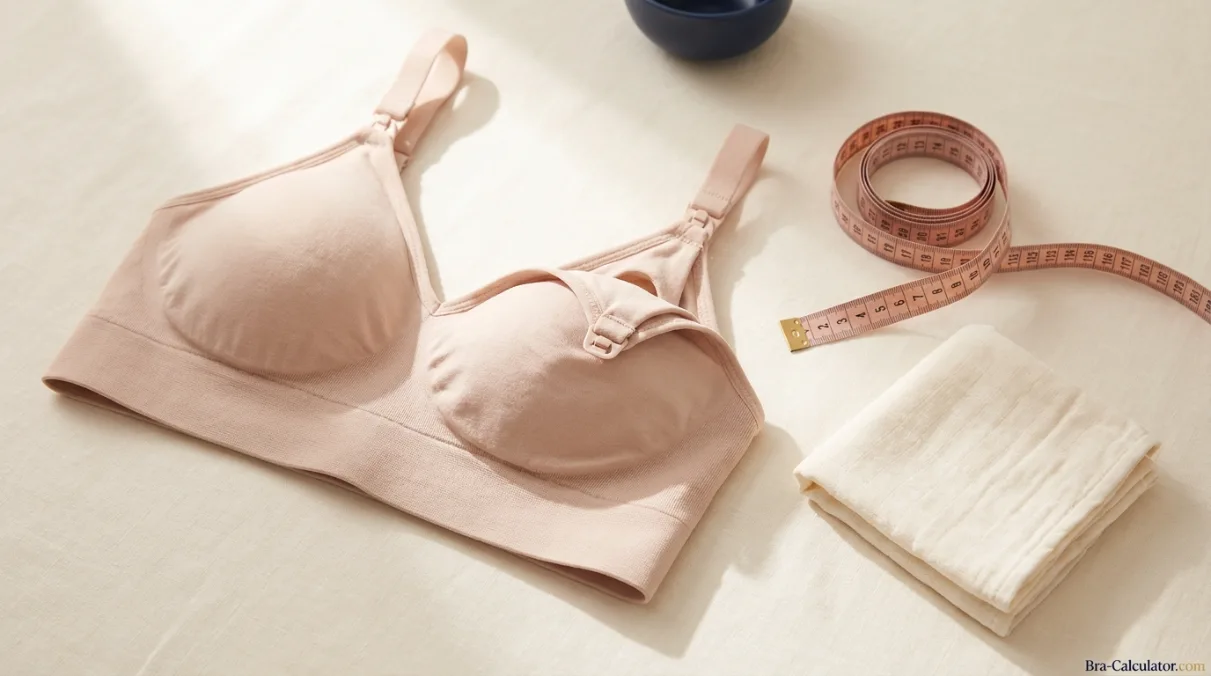
Kindred Bravely Sublime Hands-Free Pumping & Nursing Bra
A dual-access, wireless design made for nursing and hands-free pumping without changing bras.
Check before buying: Check the current Regular, Busty, and Super Busty size chart and confirm compatibility with your pump setup.
View Options on AmazonAffiliate link · Availability and price can change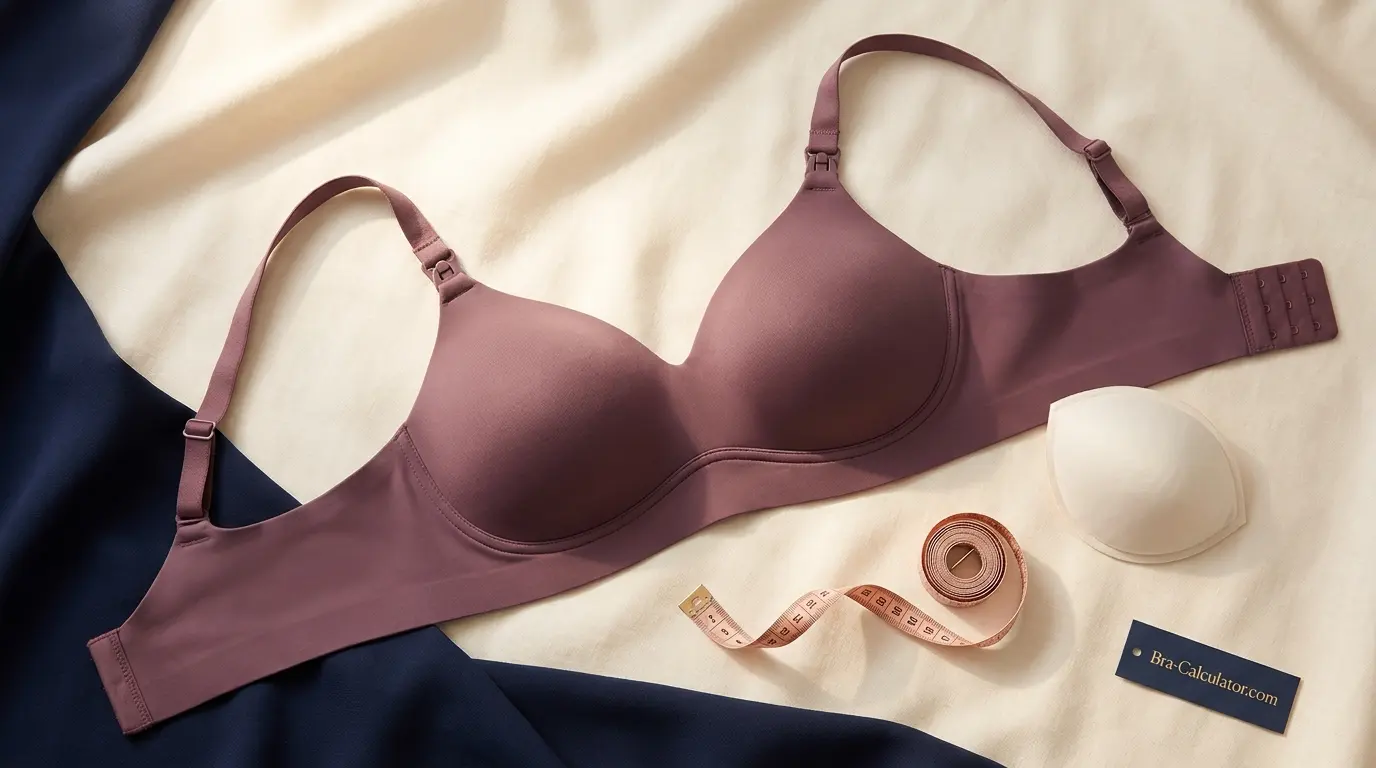
Simple Wishes SuperMom Silhouette Pumping & Nursing Bra
A seamless pump-and-nurse design with targeted support zones and options for fixed or removable padding.
Check before buying: Choose padding based on workwear needs and verify the return policy before removing tags or hygiene seals.
View Options on AmazonAffiliate link · Availability and price can change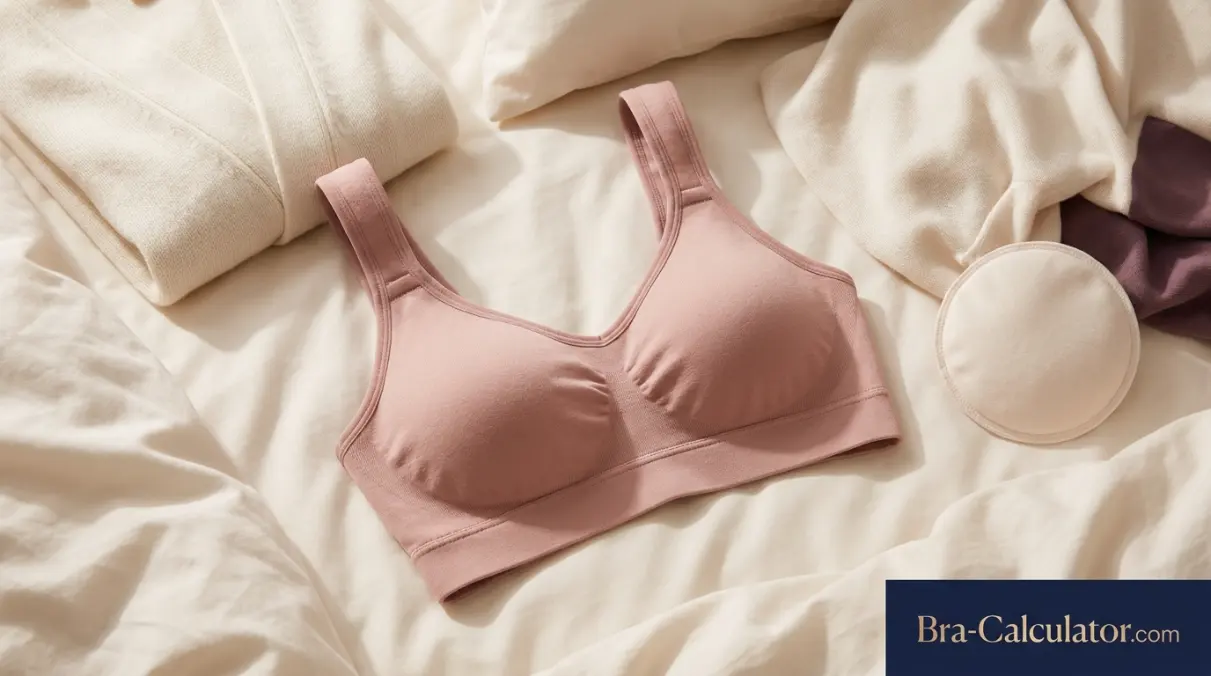
Bodily The Do Anything Bra
A single-layer wire-free design with nursing access and support for both flange and wearable pumping.
Check before buying: Its softer structure prioritizes comfort; users wanting firm lift should compare support expectations carefully.
View Options on AmazonAffiliate link · Availability and price can change
Medela Hands-free Pumping Bustier
A front-zip bustier that replaces the older Easy Expression design and holds most breast shields for pumping.
Check before buying: It is a pumping garment rather than an all-day nursing bra; verify breast-shield compatibility.
View Options on AmazonAffiliate link · Availability and price can changeKey Takeaways
- A true hands-free pumping bra holds flange tension without adjustment for the full pumping session.
- 2026’s biggest innovation is seamless bras with built-in flange pockets — no separate pumping bra needed.
- Check flange size compatibility before buying; most hands-free bras are sized for standard 24–27mm flanges.
- Premium double-layer clip systems (like Kindred Bravely’s EasyClip) hold up better over repeated daily washing than budget slit-opening designs.
📐 Not sure which size to buy?
Frequently Asked Questions
- Do hands-free pumping bras work with any pump brand?
- Most work with standard-size flanges (24–27mm) regardless of pump brand, but wide-neck or larger flange systems should be checked against the bra’s specified compatibility before buying.
- Can I wear a hands-free pumping bra all day, or just while pumping?
- The newer seamless designs are built for all-day wear, so you don’t need to change bras before and after pumping — older zip-front or bustier styles are usually pumping-only.
- Are budget hands-free pumping bras worth it?
- For occasional use or as a backup during laundry gaps, yes — but for daily use, a premium double-layer clip design typically holds flange tension better and lasts longer through repeated washing.
- Do hands-free pumping bras work with wearable pumps like Willow or Elvie?
- Some are specifically designed for wearable pump compatibility, but not all — check the product’s stated compatibility list before assuming it will work with an in-bra pump system.
- How do I know if a hands-free pumping bra actually fits well before buying?
- Look for a compatibility list matching your flange size and pump brand, and check reviews or brand fit guides for reports of flange slipping during arm movement — the core test is whether it holds position through natural desk-work motion, not just standing still.
- Why do budget pumping bras stop holding flanges well after a few weeks?
- The stretch fabric used in budget slit-opening designs loses tension recovery after repeated wash cycles faster than reinforced double-layer clip systems, which is a meaningful cost-per-wear consideration for daily use.
- Do wearable pumps like Willow or Elvie need a different type of hands-free bra than traditional pumps?
- Often yes — wearable pumps benefit from a snug, supportive pocket shape rather than the flange-holding slit design built for traditional tube-and-flange pumps, so check that a bra is specifically designed with wearable-pump compatibility rather than assuming general hands-free compatibility covers it.
- Is flange size a bra problem or a separate issue?
- A separate issue — flange fit affects comfort and milk output independent of how well a bra holds the flange in place, so persistent discomfort or low output despite a well-fitting bra is worth addressing as a flange-sizing question, potentially with a lactation consultant.
- What fabric feature indicates a hands-free pumping bra will hold up over many washes?
- Four-way stretch fabric (stretching and recovering in both directions) generally maintains flange-holding tension through more wash cycles than two-way stretch fabric, making it a useful detail to check in product descriptions.
- Should I use a different pumping bra at home versus at the office?
- It can help — a bulkier, maximally supportive design works fine at home where discretion isn’t a concern, while a seamless, quick-access design tends to work better for office discretion and shorter available windows.
- Are hands-free pumping bras easy to return if the size is wrong?
- Policies vary and are often more restrictive than general clothing returns due to hygiene considerations — check a specific retailer’s return policy for this category before ordering multiple sizes to compare.
- How does the situational bra picker on this page work?
- Select where you pump most — home, office, travel, or all-day nursing and pumping in one bra — and it highlights the best-matching design type in the comparison table and points to the specific product built for that situation.
Editorial Sources & Review Notes
Health and workplace statements were reviewed against the following primary or public-health sources. Product features can change, so current brand and Amazon listings should be checked before purchase.
This page provides general garment-fit and shopping information, not medical diagnosis or individualized lactation care. Contact a qualified clinician or lactation professional for persistent pain, fever, worsening redness, wound concerns, or pumping problems. As an Amazon Associate, Bra-Calculator.com earns from qualifying purchases.