C-Section-Friendly Nursing Bras: Recovery Fit Guide

Amelia spent years as a lingerie buyer fitting customers across every band and cup size before founding Bra-Calculator.com. The single most common misconception she hears about C-section recovery and bras is the “high-waisted bra” myth this guide corrects. More about Amelia →

What Stage of Recovery Are You In?
Tap your current stage — the result below and the matching row in the recovery table further down the page will update together.
These are functional stages, not medical deadlines — your care team’s advice always takes priority.
In This Guide
- What a C-Section Changes—and What It Does Not
- The Most Useful Bra Features During Early Recovery
- Hospital and First-Days Checklist
- How to Dress With Less Twisting
- Underband Fit After Cesarean Birth
- Cup Fit, Engorgement and Early Fullness
- Using a Bra With Abdominal Support Garments
- Feeding Positions and Bra Access
- Recovery Timeline: Use Function, Not a Fixed Week
- Signs the Bra or Dressing Method Needs to Change
- When to Contact Your Care Team
- Practical Buying Plan
Find Your Best Bra Match
Answer a few fit questions to get bra styles matched to your support needs, breast shape and everyday preferences.
Question 1 of 5
Why it matches
What to look for
What may not work
Private fit matching: your answers are used only to build the recommendation on this page. No measurements or fit selections are submitted to Bra-Calculator.com.
This tool suggests a starting bra style, not a medical or diagnostic recommendation. Individual brands and bra models can fit differently.
What a C-Section Changes—and What It Does Not
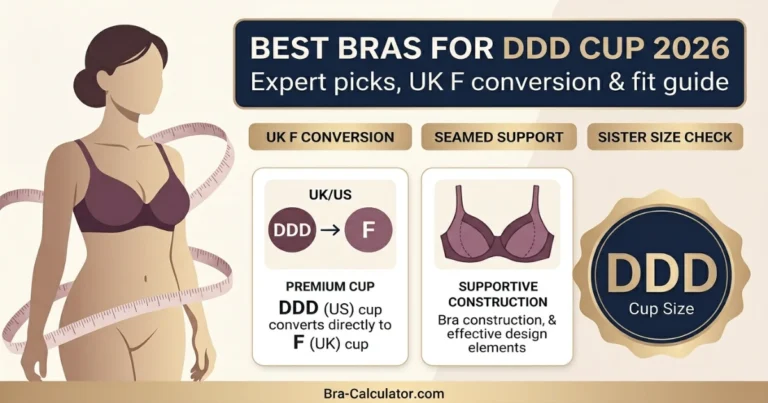
If you’re researching C-section-friendly nursing bras, here’s the core fact the diagram above illustrates: a typical C-section incision is low on the abdomen, while a bra underband sits around the ribcage — a different zone entirely. The practical issue is therefore not finding a “high-waisted bra.” It is choosing a nursing bra that is easy to put on, does not require painful twisting, and does not add unnecessary pressure while your abdomen and torso feel sore. Clothing near the wound should follow your surgical team’s advice; NHS recovery guidance generally favors loose, comfortable clothing and careful wound monitoring.
That distinction matters because it keeps the page focused on realistic fit decisions. A bra can be comfortable after cesarean birth even with a normal underband position, provided the band fits correctly at the ribcage and the dressing motion is manageable. A front closure can be convenient, but it is not medically required. A pull-on bralette can also work when it stretches enough to step into or pull on without a forceful overhead reach.
The Most Useful Bra Features During Early Recovery
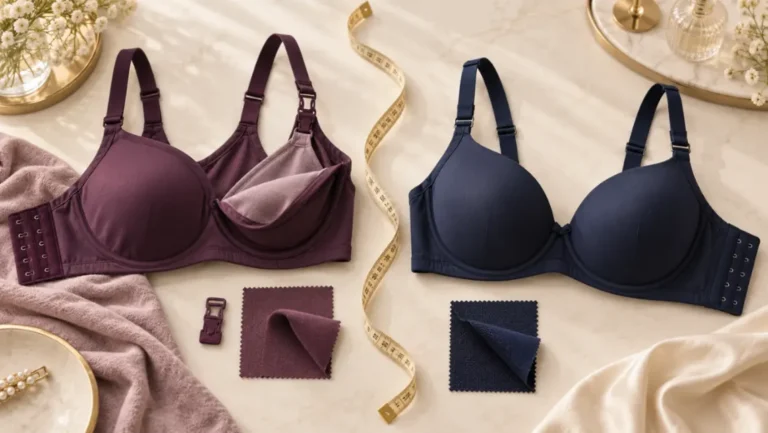
- Low-effort dressing: front fastening, clip-down cups, or a soft pull-on style that does not demand deep twisting.
- A correctly fitted ribcage band: supportive enough to stay level, but not so tight that it makes breathing, sitting, or feeding positions uncomfortable.
- Flexible cup capacity: early postpartum fullness can change quickly, so rigid molded cups may become uncomfortable before the underband does.
- Soft internal finishes: covered seams, smooth elastic, and non-scratch labels are useful when skin feels more sensitive.
- Simple one-handed access: this reduces fuss during feeds without implying that one closure type is suitable for every person.
Hospital and First-Days Checklist
For the hospital and the first days at home, one or two very soft bras are usually more useful than a complete nursing-bra wardrobe. Milk volume, swelling, fluid shifts, and feeding plans are still changing. Choose something washable, easy to open, and forgiving through the cup. Pack a bra extender only when the bra already fits correctly in the cup and a small temporary band adjustment improves comfort; an extender should not be used to rescue a cup that is too small.
Some people prefer no bra during parts of the hospital stay. Others want light support or need a bra to hold nursing pads. Both choices can be reasonable. Comfort, skin condition, feeding access, and clinician instructions matter more than a rule that everyone must wear—or avoid—a bra after surgery.
How to Dress With Less Twisting
Set the bra within reach before sitting down. Use a supported chair or the edge of the bed, keep frequently used items close, and avoid rushing. A front-fastening bra may reduce reaching behind the back. For a back-fastening bra, it may be easier to fasten it at the front at waist or rib level and rotate it gently before putting the straps on, but only when that motion feels comfortable. Another person can help during the first days if your care team has limited bending or lifting.
The goal is not complete immobility. Postoperative teams commonly encourage safe, gradual movement. The bra should not become a reason to strain, hold your breath, or make a sudden twisting movement. When a dressing method hurts, stop and use a simpler method or ask for help.
Underband Fit After Cesarean Birth
Check the underband in its normal position: level around the ribcage, secure on the loosest comfortable hooks, and not sliding upward. Take several calm breaths, sit, stand, and lean into a normal feeding position. The band should feel present but not sharp, restrictive, or breath-limiting. Localized pressure on lactating breast tissue is also undesirable; the Academy of Breastfeeding Medicine recommends an appropriately fitting supportive bra rather than an excessively tight garment.
Do not automatically increase the band size just because the abdomen is tender. A larger band may ride up and transfer more load to the straps. Instead, distinguish abdominal soreness from ribcage-band pressure. If the ribcage itself is swollen or the band genuinely feels too tight, use current measurements and the brand chart rather than guessing.
Cup Fit, Engorgement and Early Fullness
The cup often needs more flexibility than the band — see the full engorgement sizing guide for what to expect in week one specifically. During early fullness, look for a smooth cup edge with no cutting, a side panel that contains tissue without pressing, and enough room for a nursing pad. A cup that was comfortable before a feed may feel firmer at another time of day, so evaluate the bra at a representative fuller point as well as after feeding or pumping.
Do not buy an entire long-term rotation from a single peak-fullness measurement. One or two flexible bras can bridge the early stage while your pattern becomes clearer. Persistent severe pain, worsening redness, fever, discharge from the surgical wound, or feeling acutely unwell requires medical advice rather than a clothing change.
Using a Bra With Abdominal Support Garments
An abdominal binder, high-rise postpartum underwear, or compression garment is separate from the bra. Follow the prescribing clinician’s instructions for those garments, especially after surgery. Make sure the top edge of an abdominal garment does not roll into a painful ridge and that the bra underband is not stacked directly on a thick upper seam. The two garments should perform different jobs without creating a hard pressure line between them.
When a binder changes your posture or makes the lower ribcage feel crowded, reassess bra comfort while seated. Do not tighten the bra to stop the binder moving, and do not use the bra band as an anchor for abdominal support.
Feeding Positions and Bra Access
Post-surgery feeding comfort is influenced by positioning, pillows, incision protection, and individual mobility. The bra’s role is simply to open and close without extra struggle. A cup that fully drops away can make access easier. A crossover front may be quicker, but it can provide less separation or containment for a fuller bust. A clip-down cup may feel more secure, provided the clip can be operated easily with one hand.
Try the complete sequence before relying on a bra: sit in the feeding position, open the cup, place any pillow or support, and close the cup afterward. A bra can fit well while standing yet become awkward when the torso is supported and slightly reclined.
Recovery Timeline: Use Function, Not a Fixed Week
| Stage | Useful bra approach | What to reassess |
|---|---|---|
| Hospital and first days | Very soft, easy-on support or no bra when preferred | Dressing effort, breathing comfort, cup flexibility |
| Early home recovery | One or two washable nursing bras with simple access | Fullness changes, pad space, seated comfort |
| Increasing mobility | Return to normal nursing-bra styles as dressing becomes easier | Band level, strap comfort, cup containment |
| Later postpartum | Build a broader rotation only after your fit pattern is clearer | Work, sleep, pumping, and wardrobe needs |
These are functional stages, not medical deadlines. Your surgical team’s advice and your own recovery take priority over a general week-by-week shopping schedule.
Signs the Bra or Dressing Method Needs to Change
- The band limits a comfortable breath or creates a sharp pressure line at the ribcage.
- The cup edge cuts into full or tender tissue.
- Putting the bra on requires a painful twist, deep bend, or sudden reach.
- The closure is too difficult to manage during a feed.
- Moisture, pads, or rough seams are irritating the skin.
- An abdominal garment is rolling upward and colliding with the bra band.
Change one variable at a time: dressing method, closure, band adjustment, cup capacity, or garment layering. This makes it easier to identify the real cause of discomfort.
When to Contact Your Care Team
Contact your maternity or surgical team for concerns about the incision, increasing pain, heat, redness, discharge, fever, or feeling unwell. Seek lactation support for persistent breast pain, a hard painful area that is not improving, feeding problems, or pumping pain. A bra guide can help with clothing fit, but it cannot diagnose a wound complication, mastitis-spectrum condition, or pump-fit problem.
Practical Buying Plan
- Start with one soft everyday nursing bra and one optional sleep/lounge bra.
- Choose current measurements and the individual brand chart.
- Test dressing while seated before removing tags.
- Check cup room at a representative fuller time.
- Add work or pumping bras later, once those needs are real and the size pattern is clearer.
This staged plan is more useful than buying a special “C-section bra” category. The best option is usually a well-fitting nursing bra whose access and dressing method suit your current mobility.
Best Product Options for This Fit Goal
These are editorial shortlists based on published product construction, size information, pump compatibility, and the fit goal of this page. Bra-Calculator.com has not physically lab-tested every model, so treat each pick as a starting point and verify the current listing, size chart, materials, and return terms.
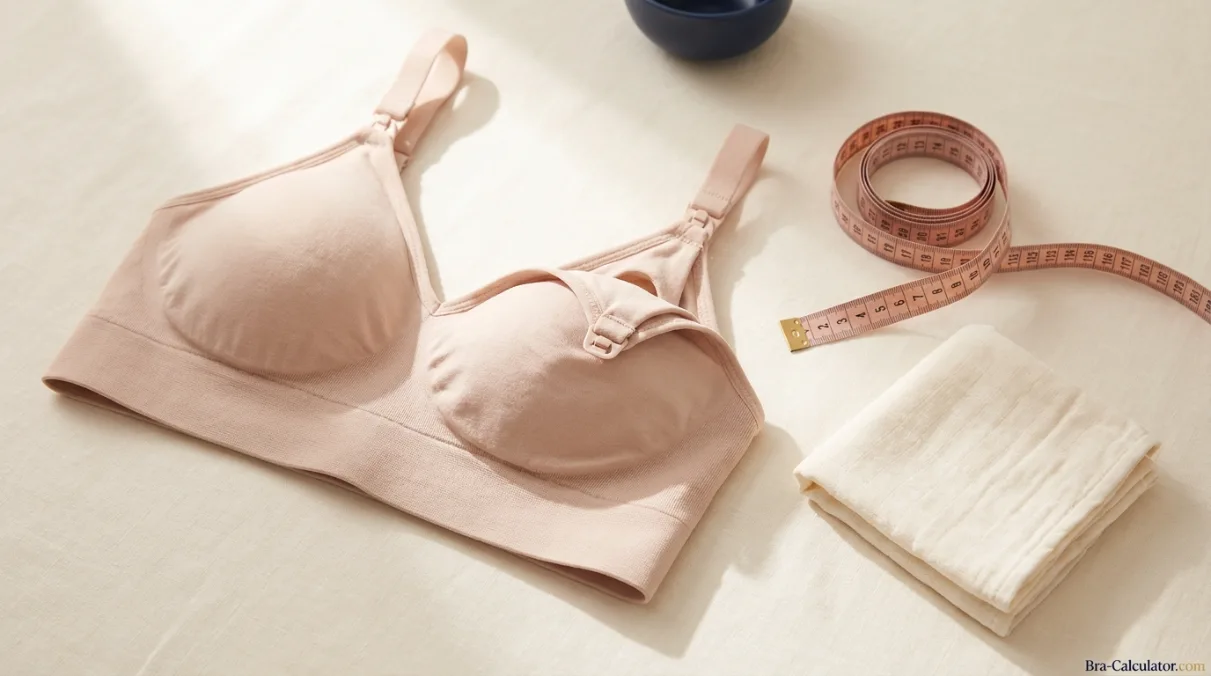
Bodily The Everything Bra
A low-pressure clip-down style designed to work from pregnancy into postpartum and beyond nursing.
Check before buying: This is a comfort-led option, not a high-impact or strongly projected full-bust bra.
View Options on AmazonAffiliate link · Availability and price can change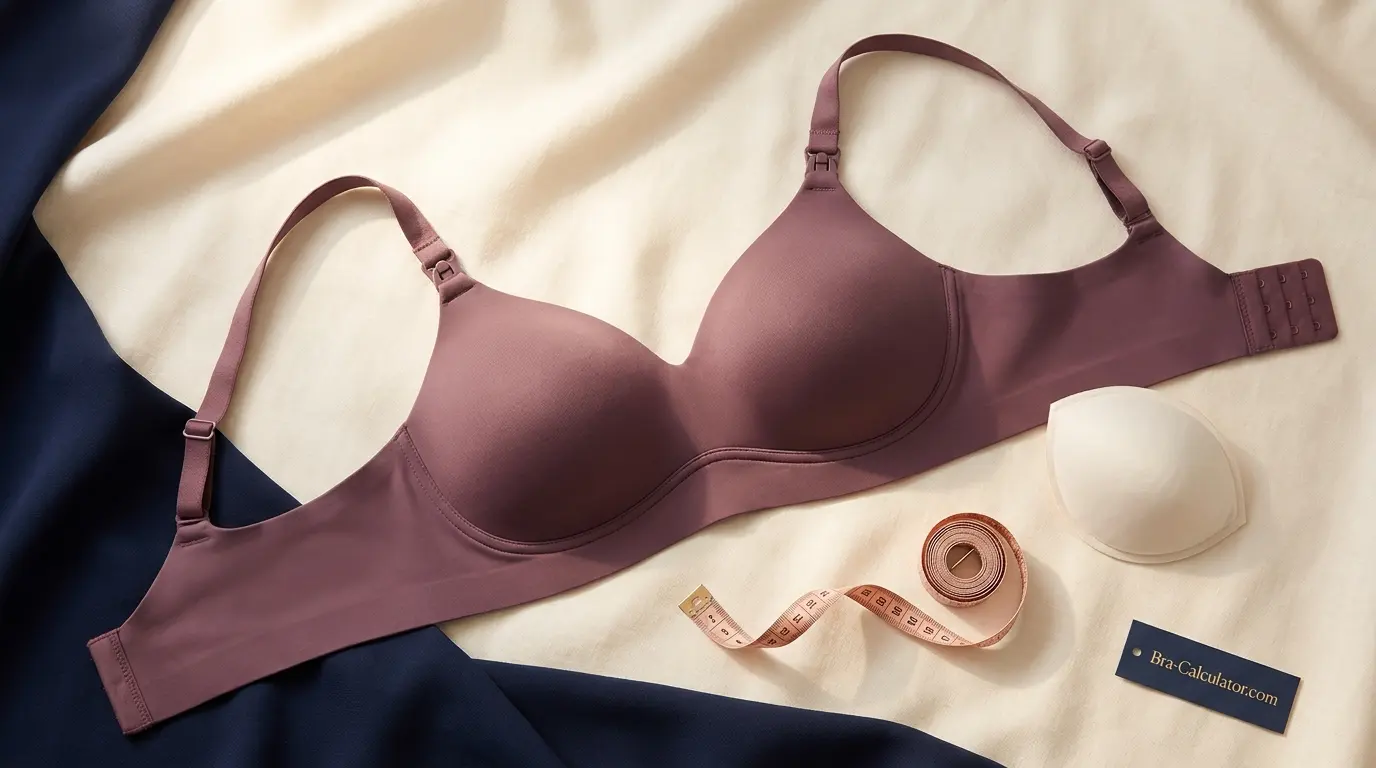
Bravado Designs Body Silk Seamless Nursing Bra
A wire-free 360-degree stretch design with knit-in support zones and a wide published band-and-cup range.
Check before buying: Use the newest size chart; older listings may show a different range or final-sale colorways.
View Options on AmazonAffiliate link · Availability and price can change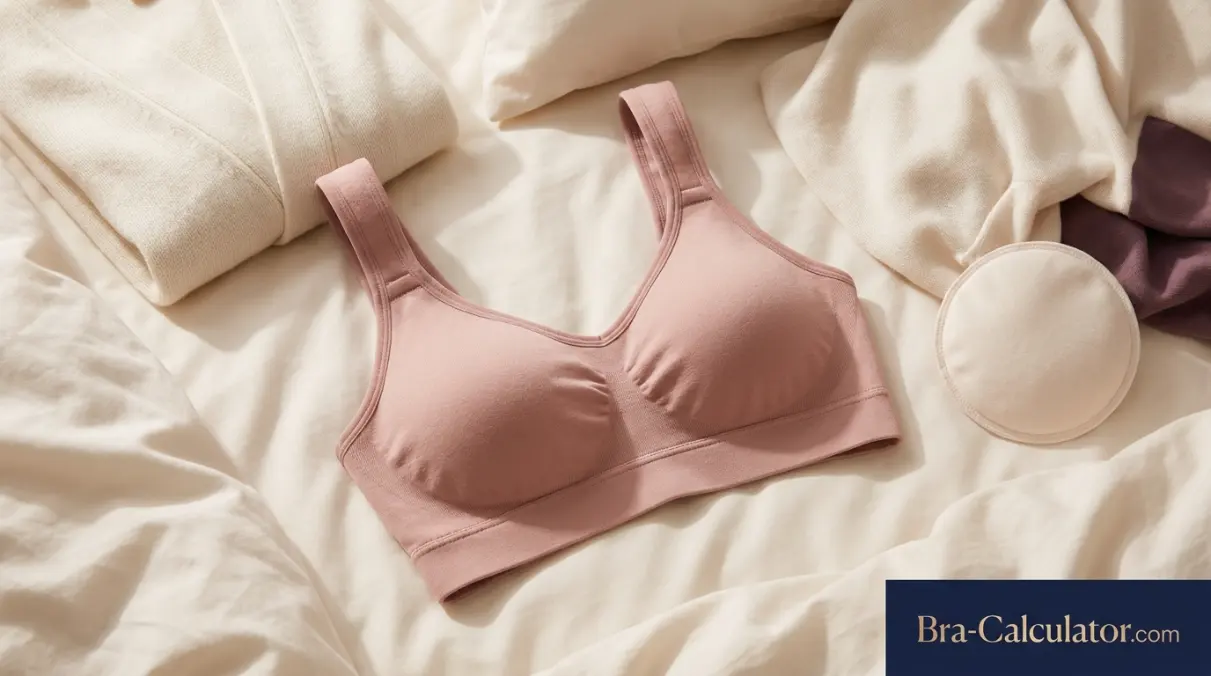
Cake Maternity Cotton Candy Nursing Bra
A seamless wire-free nursing style with flexible knitted support for low-pressure wear.
Check before buying: Treat it as light-to-medium support; fuller busts may prefer a more structured daytime option.
View Options on AmazonAffiliate link · Availability and price can changeKey Takeaways
- A bra band normally sits at the ribcage and should not touch a low abdominal C-section incision.
- Easy dressing and flexible cup room are more useful than a fictional “high-waisted bra” feature.
- Do not automatically size up the band; measure the ribcage and use the current brand chart.
- Follow clinical advice for wound care and seek help for worsening pain, redness, heat, discharge, fever, or feeling unwell.
📐 Not sure which size to buy?
Find a C-section-friendly nursing size with Amelia’s free calculator →
Frequently Asked Questions
- Does a nursing bra band touch a C-section incision?
- Usually no. A typical C-section incision is low on the abdomen, while a bra band sits around the ribcage. Focus on easy dressing and correct ribcage fit rather than trying to place the bra above the scar.
- Is a front-fastening nursing bra required after a C-section?
- No. It can reduce reaching, but a soft pull-on or back-fastening bra can also work when it can be put on comfortably. Use the closure that requires the least painful movement.
- Should I size up the band after a C-section?
- Not automatically. Measure the ribcage and use the brand chart. A band that is too large may ride up; a temporary extender is useful only when the cup already fits and a small adjustment improves comfort.
- How many nursing bras should I buy before surgery?
- One or two flexible, washable bras are usually enough to begin. Early postpartum cup fullness can change, so it is sensible to delay a large purchase until your fit pattern is clearer.
- Can I wear an abdominal binder with a nursing bra?
- Follow your clinician’s binder instructions. The binder and bra should not create stacked hard edges or force you to tighten the bra. Recheck comfort while sitting and feeding.
- What bra is easiest to put on after a C-section?
- The easiest style is the one you can dress in without a painful twist or deep bend. Front fastening, step-in stretch styles, and help from another person are all practical options.
- Can I go without a bra after a C-section?
- Yes, when that is comfortable and practical. Some people prefer light support or need a bra for nursing pads; others prefer periods without one.
- When should I buy a more structured nursing bra?
- Add structure when mobility, fullness, and daily needs are clearer. Use fit and function rather than a fixed postpartum week as the decision point.
- What symptoms are not a bra-fit problem?
- Fever, worsening wound redness or heat, discharge, feeling unwell, severe breast pain, or a painful area that is not improving need clinical advice.
- What is the best C-section-friendly nursing bra feature?
- Low-effort dressing is usually the most useful feature. After that, prioritize a correctly fitted ribcage band, flexible cup room, soft finishes, and simple nursing access.
- How does the recovery-stage selector on this page work?
- Choose the recovery stage you’re currently in — hospital, early home recovery, increasing mobility, or later postpartum — and it highlights the matching bra approach and what to reassess at that stage.
Editorial Sources & Review Notes
Health and workplace statements were reviewed against the following primary or public-health sources. Product features can change, so current brand and Amazon listings should be checked before purchase.
This page provides general garment-fit and shopping information, not medical diagnosis or individualized lactation care. Contact a qualified clinician or lactation professional for persistent pain, fever, worsening redness, wound concerns, or pumping problems. As an Amazon Associate, Bra-Calculator.com earns from qualifying purchases.