Moderate compression is the best starting level for most gynecomastia support. Light compression is better for tenderness, heat and all-day comfort. Firm compression may help with movement control or a stronger smoothing effect, but it is not automatically better and should not restrict breathing, cause numbness, dig into ribs or create painful rolling. For post-surgery compression, follow your surgeon’s exact instructions instead of guessing by product labels.
Safety note: Compression support is for comfort, movement control and clothing appearance while worn. It does not diagnose, treat or remove gynecomastia tissue. Remove the garment if compression causes breathing trouble, numbness, severe rib pressure, skin color changes or alarming symptoms.
Compression Level for Gynecomastia at a Glance
| Compression Level | Best Use |
|---|---|
| Light compression | Best for tenderness, sensitivity, heat, sleeping comfort, and first-time cautious wear. |
| Moderate compression | Best starting level for most daily gynecomastia support under normal clothes. |
| Firm compression | Best for stronger movement control, workouts, or when moderate support is not enough. |
| Medical / post-op compression | Only for surgery or clinician-guided situations. Do not self-select pressure. |
| Most common mistake | Sizing down to create firm compression, which often causes pain, rolling and rib pressure. |
| Best first choice | Moderate compression because it balances support, comfort and daily wearability. |
How Gynecomastia Compression Actually Works
Gynecomastia compression support works by using stretch fabric, garment structure and chest coverage to reduce movement and create a smoother outline under clothes. It does not remove glandular tissue and it should not be treated as a medical cure.
The right compression level depends on your main goal. If you want a smoother look under a T-shirt, moderate compression is often enough. If your chest is tender, light compression or a soft support top may feel better. If movement during exercise is the problem, firmer sports compression may help — but only if it stays breathable and comfortable.
More pressure is not always better. Too much compression can push fabric upward, create rolling, dig into ribs, make straps hurt, increase heat, and make the garment harder to wear consistently. A support garment that you cannot tolerate for normal movement is not a successful fit.
Fit truth: The best compression level is the lowest level that solves your real problem without creating pain, rolling, numbness or breathing restriction.
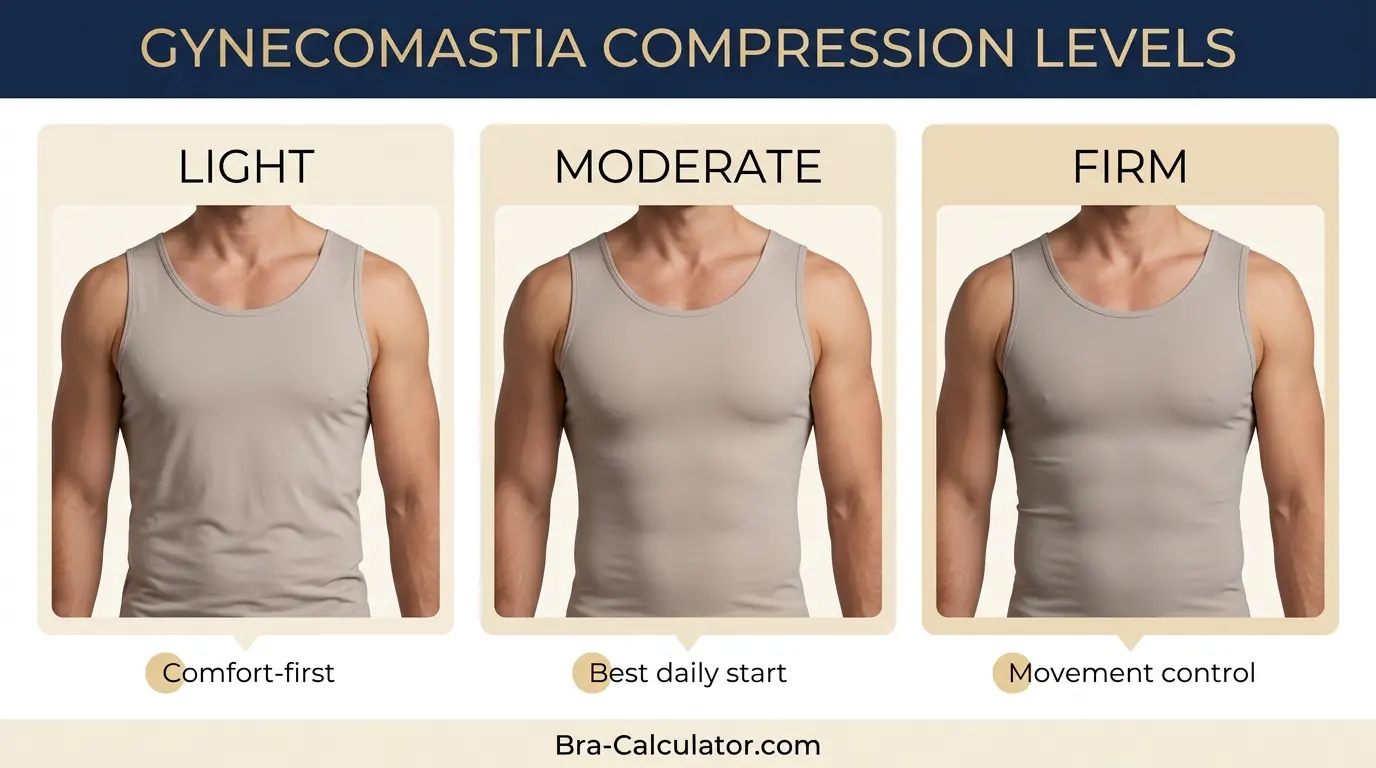
Light vs Moderate vs Firm Compression for Gynecomastia
Light compression feels gentle and wearable. It is best when tenderness, heat, sensitivity or long wear time matters more than maximum flattening.
Moderate compression should feel snug and smoothing without stopping normal breathing, sitting or arm movement. This is usually the safest daily starting point.
Firm compression can help when chest movement is the main issue, but it must not cause numbness, rib pressure, rolling or breathing restriction.
Maximum pressure is not a fit strategy. If you need to force the garment on or rush to remove it, the compression level is too aggressive.
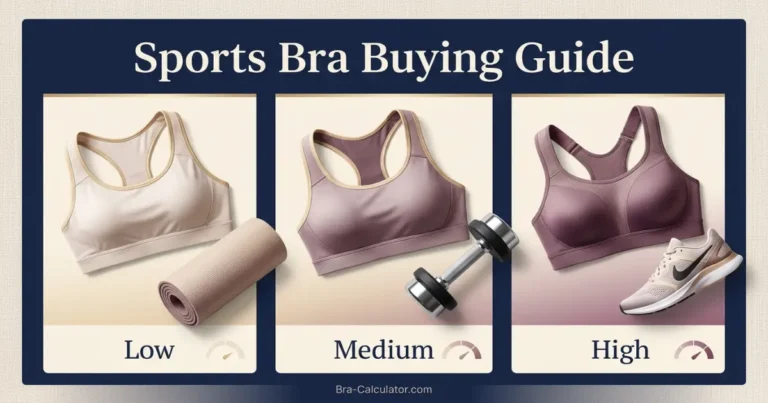
Workout support needs breathable fabric, shoulder mobility and sweat control, not just stronger pressure.
Post-op compression is medical recovery support. Follow surgeon guidance for pressure, timing, fit and garment type.
How to Choose the Right Gynecomastia Compression Level
Measure under-chest, fullest chest, waist and torso length. Compression level cannot fix the wrong size.
Pick one primary goal: daily discretion, tenderness comfort, movement control, workout support, no-roll fit or post-surgery recovery.
Begin with light or moderate compression unless you already know you need firm control. Comfort improves consistency.
Test breathing, sitting, arm movement, skin marks, rolling, numbness and heat. A good fit should feel secure, not punishing.
If moderate compression is not enough, try a better garment type — longline tank, sports shirt, wide-shoulder top or vest — before sizing down.
Does Gynecomastia Support Need an mmHg Compression Rating?
Most everyday gynecomastia support garments do not list a medical mmHg pressure rating. They are usually sold as light, medium, firm, shaping, compression, or support garments rather than measured medical compression devices.
That is why shopping by mmHg can be confusing. A daily compression undershirt may not disclose exact pressure. A post-surgery vest may use stronger recovery-focused compression, but that does not mean it is safer or better for casual daily wear.
If a product claims medical-grade compression, post-op compression, or recovery pressure, use clinician guidance. For normal daily gynecomastia support, practical comfort tests matter more than chasing a number.
| Label You See | How to Interpret It |
|---|---|
| Light support | Gentle smoothing and tenderness-friendly wear. |
| Medium / moderate compression | Best general starting level for daily support. |
| Firm compression | Stronger movement control, but higher discomfort risk. |
| Medical-grade / post-op | Use only with clinician or surgeon guidance. |
| No pressure listed | Common for everyday garments; rely on fit tests, sizing and return policy. |
Important: Do not use post-surgery compression rules for daily gynecomastia support. Recovery garments and everyday support garments have different goals.
Which Compression Level Should You Choose?
| Your Main Problem | Best Starting Level | Why | Best Product Direction |
|---|---|---|---|
| Tender or sensitive chest | Light compression | Gentle pressure is less likely to worsen discomfort. | Soft support top |
| Daily smoothing under clothes | Moderate compression | Balances support and wearability for normal shirts. | Seamless undershirt |
| Compression shirt rolls up | Moderate, not tighter | Rolling often comes from too much tension or short length. | Longline tank |
| Workout movement | Moderate to firm | Movement needs support plus breathability and stretch recovery. | Sports compression |
| High chest movement in daily life | Firm if comfortable | Firm support can help, but should not restrict breathing. | Low-profile vest |
| Post-surgery recovery | Surgeon-guided only | Pressure and timing depend on your procedure and healing. | Post-op vest |
| Most common first choice | Moderate compression | Strong enough for many daily needs, safer than over-tightening. | Moderate undershirt |
How to Know If Compression Is Too Light, Right or Too Firm
| Fit Test | Good Compression | Problem Compression |
|---|---|---|
| Breathing test | You can take a normal full breath. | Ribs feel squeezed or breathing feels shallow. |
| Movement test | Support stays stable while walking and raising arms. | Garment rides up, shifts or bites into skin. |
| Sitting test | Pressure remains wearable while seated. | Stomach or rib pressure spikes when sitting. |
| Chest movement test | Movement feels reduced enough for your goal. | Too much bounce remains or fabric feels painfully tight. |
| Wear-time test | Still comfortable after normal use. | Numbness, heat, irritation or strong urge to remove it appears. |
Best Product Types by Compression Level
These are product categories, not medical treatments. Replace placeholder images and generic Amazon searches with selected products when ready.
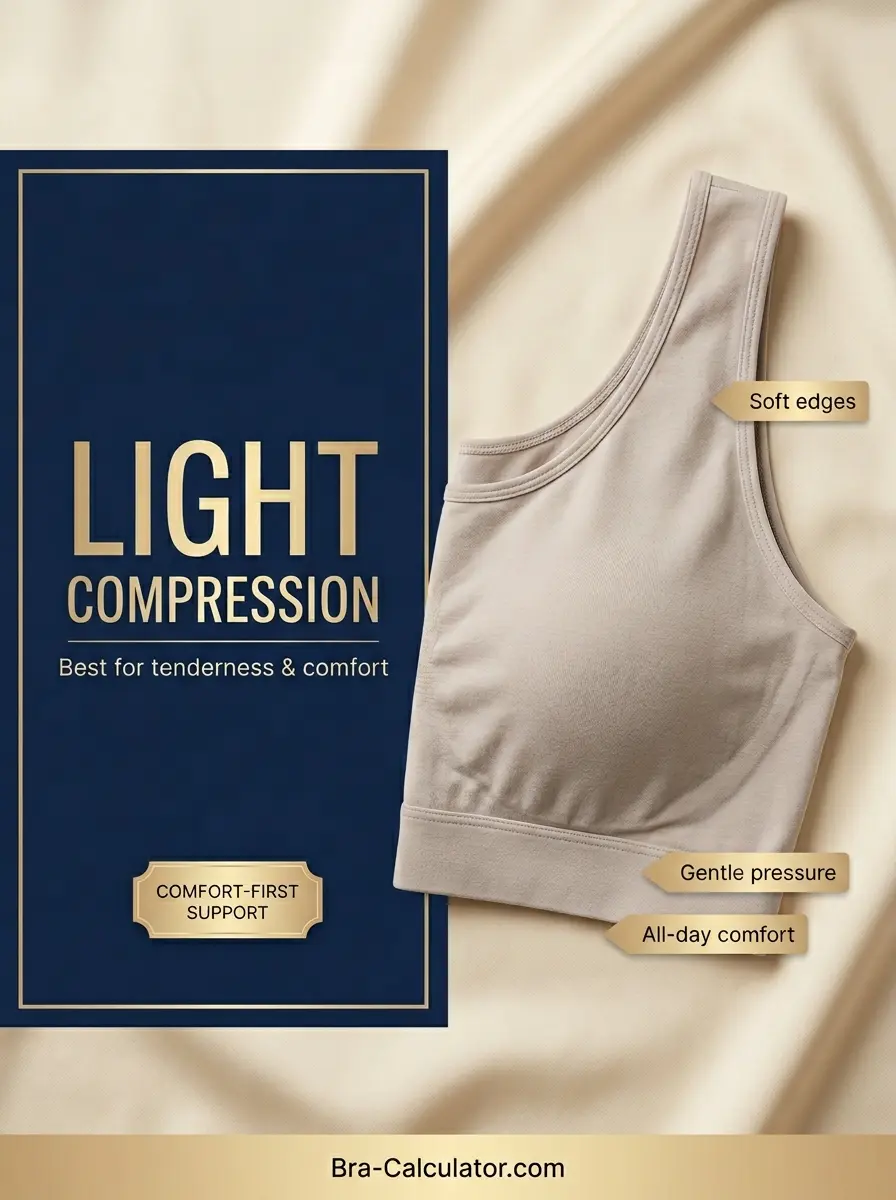
Light Compression Soft Support Top
Best when comfort, sensitivity and long wear time matter more than maximum smoothing.
- Gentle for sensitivity
- Less rib pressure
- Good first-time option
- Less flattening
- May need layering
- Can show if bra-style
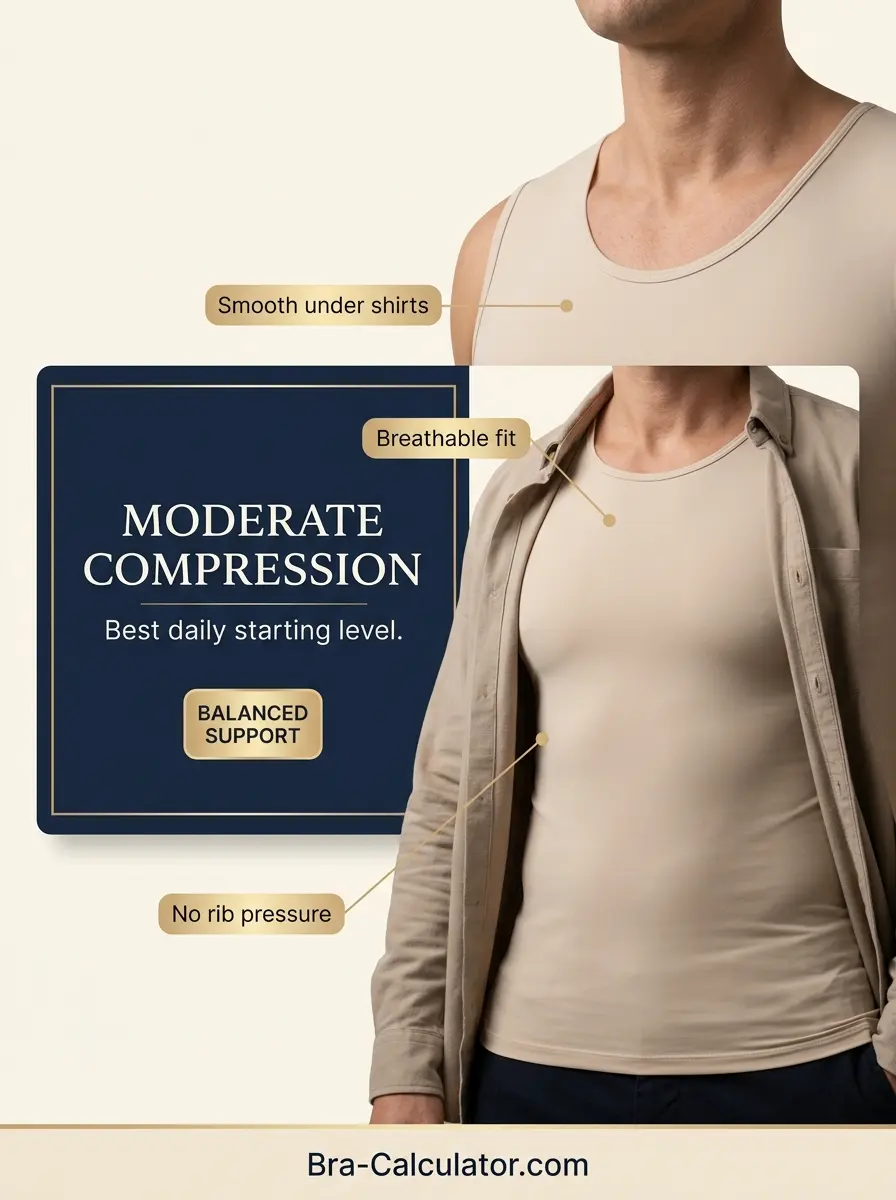
Moderate Compression Undershirt
Best first choice for most men because it balances support, discretion and everyday comfort.
- Best daily starting point
- Usually discreet
- Less harsh than firm compression
- May roll if too short
- May not control high movement
- Needs correct size
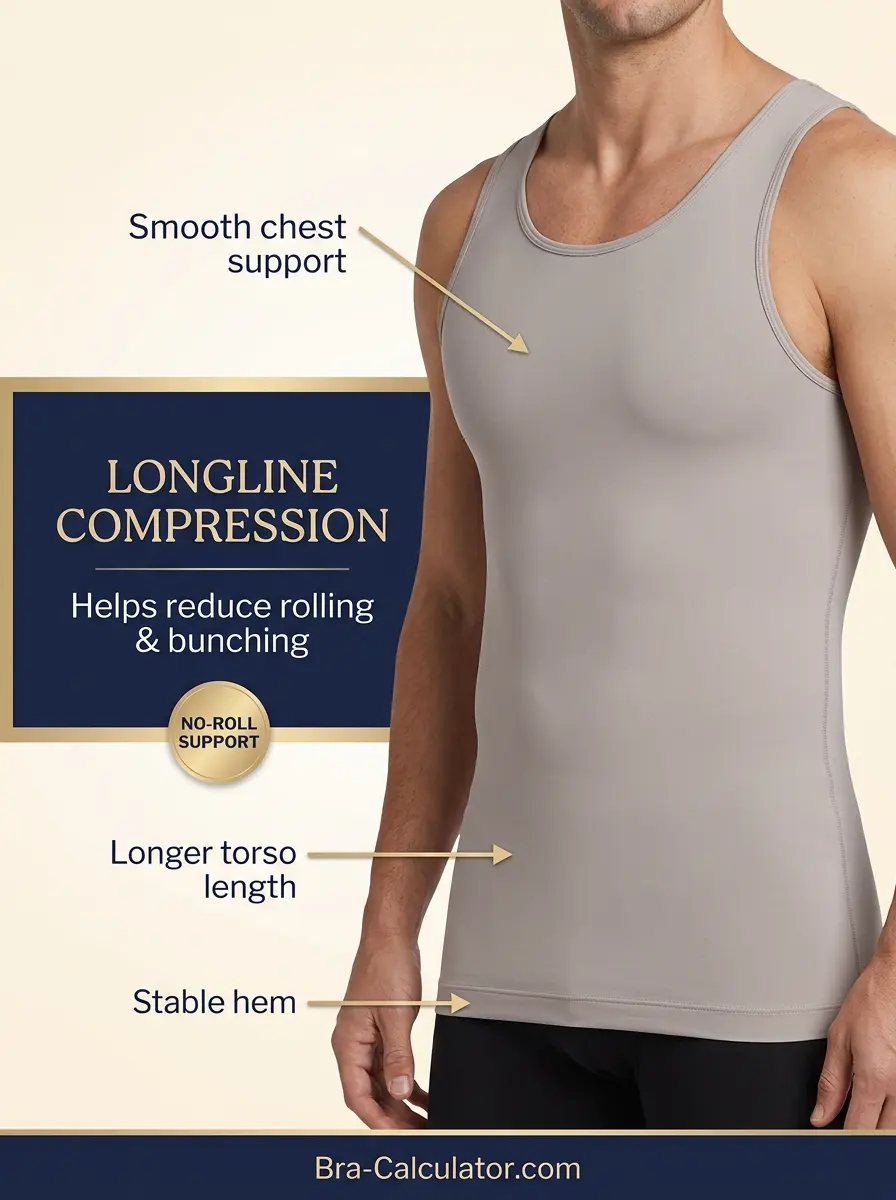
Longline Moderate Compression Tank
Best when regular compression shirts roll up but firm compression makes the problem worse.
- Better for longer torsos
- Less sleeve bulk
- Can reduce waist ridge
- Neckline may show
- Too-small tanks still roll
- Armholes need testing
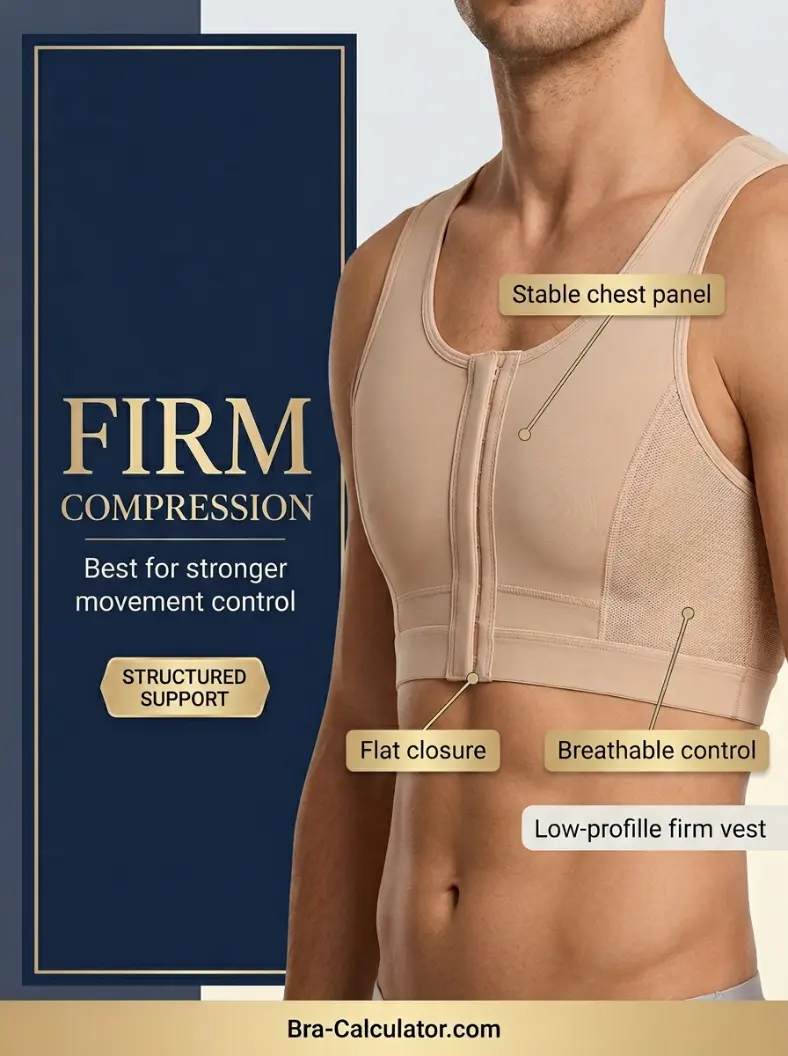
Firm Gynecomastia Compression Vest
Best when moderate compression is not enough and you need stronger support from the garment body.
- Stronger front control
- Better for movement
- Less strap reliance
- Can feel hot
- May show under thin shirts
- Must not restrict breathing
Compression Level Tips for Different Body Types
Start Light
Gentle support may feel better than firm flattening.
LightStart Moderate
Moderate compression usually hides best without harsh pressure.
ModerateAvoid Over-Tight
Firm compression can roll at the waist if the cut is wrong.
LonglineChoose Length
Compression level cannot fix a shirt that is too short.
LonglineUse Sports Support
Movement needs breathable fabric, not just higher pressure.
SportsFirm May Help
Firm support can work if it stays breathable and pain-free.
FirmLower Pressure
Light or moderate compression may be more wearable in heat.
BreathableAsk Surgeon
Recovery compression should never be guessed.
MedicalWhich Compression Level Should You Try First?
- You need support under normal clothes
- You want a first daily garment
- You want smooth support without pain
- Moderate compression
- Seamless undershirt
- Matte fabric
- Chest sensitivity is high
- Firm compression hurts
- You need comfort more than flattening
- Light compression
- Soft support top
- Smooth edges
- Chest movement is distracting
- You train, walk or lift often
- Moderate support is not enough
- Moderate to firm
- Sports compression
- Low-profile vest
- You had or will have surgery
- You were told to wear recovery compression
- You need medical garment guidance
- Surgeon-guided only
- No self-switching
- Call surgical team for concerns
Compression Level Mistakes That Make Support Worse
1. Treating Firm as Automatically Better
Firm compression can help movement, but it can also cause pain, rolling and overheating.
2. Sizing Down to Increase Compression
Smaller size is not the same as better support.
3. Ignoring Tenderness
A tender chest may need softer support, not stronger pressure.
4. Using Gym Compression for Everything
Sports compression may be too shiny, warm or aggressive for daily clothing.
5. Chasing mmHg Without Context
Most daily support garments do not use medical pressure ratings.
6. Guessing Post-Surgery Compression
Recovery compression has medical rules and timing.
What Usually Improves When Compression Level Matches the Goal
These are practical comfort and support outcomes, not medical promises.
“Moderate support was enough for daily shirts.”
Many men do not need firm compression for normal clothing once the size and fabric are right.
“Light support worked better on tender days.”
When sensitivity is high, less pressure can feel more wearable and less distracting.
“Firm support made more sense for workouts.”
Stronger compression can be useful when movement is the main problem, especially with breathable sports fabric.
“I stopped sizing down just to feel flatter.”
Better garment design often works more comfortably than simply choosing a smaller size.
Medical References and Disclaimer
This guide is for comfort, clothing and support-fit education. It is not medical advice and does not diagnose or treat gynecomastia. Compression garments can help support and clothing appearance while worn, but they cannot identify the cause of chest fullness or remove glandular tissue.
Seek medical advice for sudden swelling, a hard lump, ongoing breast or nipple pain, nipple discharge, bleeding, skin changes, fast one-sided enlargement, numbness, breathing trouble, severe pressure pain or skin color changes from compression.
Frequently Asked Questions
What compression level is best for gynecomastia?
Moderate compression is the best starting point for most daily gynecomastia support because it can smooth the chest without the pain, rolling and breathing restriction that firm compression may cause.
Is firm compression better for gynecomastia?
Firm compression is not automatically better. It may help with movement control, but it can be too uncomfortable for daily wear if it causes rib pressure, numbness, rolling or breathing restriction.
When should I use light compression for gynecomastia?
Light compression is best when tenderness, sensitivity, heat or all-day comfort matters more than maximum flattening.
What does moderate compression mean for gynecomastia support?
Moderate compression should feel snug, smooth and supportive while still allowing normal breathing, sitting and arm movement. It should not feel painful or restrictive.
Does gynecomastia compression need an mmHg rating?
Most everyday gynecomastia support garments do not list medical mmHg ratings. If a garment claims medical-grade pressure or is for post-surgery use, follow clinician guidance instead of guessing.
How much compression is too much for man boobs?
Compression is too much if it restricts breathing, causes numbness, digs into ribs, worsens tenderness, creates painful marks, rolls up from tension or feels unbearable after normal movement.
Can compression treat gynecomastia?
No. Compression can help comfort, movement control and clothing appearance while worn, but it cannot diagnose, treat or remove gynecomastia tissue.
What compression level should I use after gynecomastia surgery?
Follow your surgeon’s exact instructions after gynecomastia surgery. Do not choose or change post-surgery compression level based on a general online guide.
Start With Measurements, Then Choose the Lowest Effective Compression
Before choosing light, moderate or firm support, measure your under-chest and fullest chest, then match the compression level to your real support goal.
More gynecomastia support guides
- Gynecomastia bra guide
- Gynecomastia bra size chart
- Men’s Bra Sister Sizes Explained: How to Find Your Perfect Fit (2026)
- How to Measure Male Chest for a Support Garment
- What Size Bra Should a Man With Gynecomastia Wear? Size Guide 2026
- The Most Advanced Gynecomastia / Men’s Bra Size Calculator (2026 Complete Guide)
- Gynecomastia Workout Compression: 7 Best Gym Support Tips