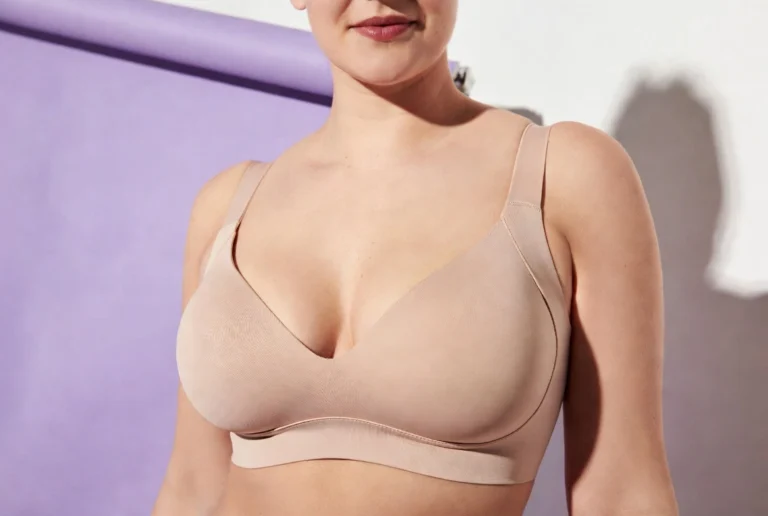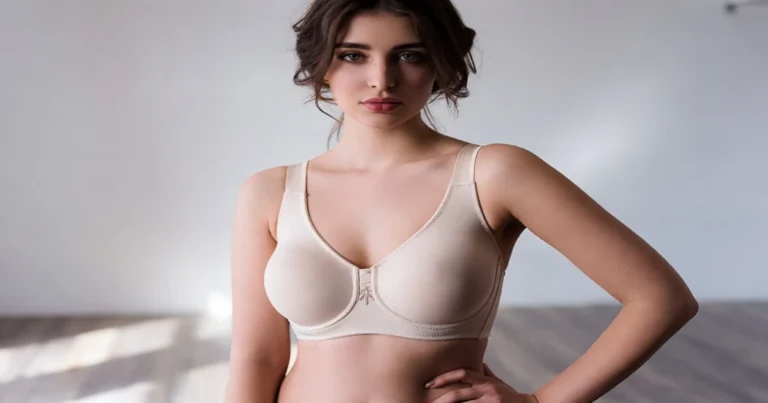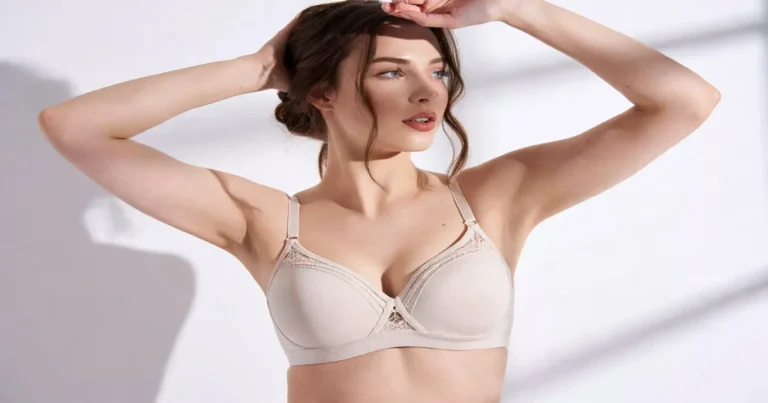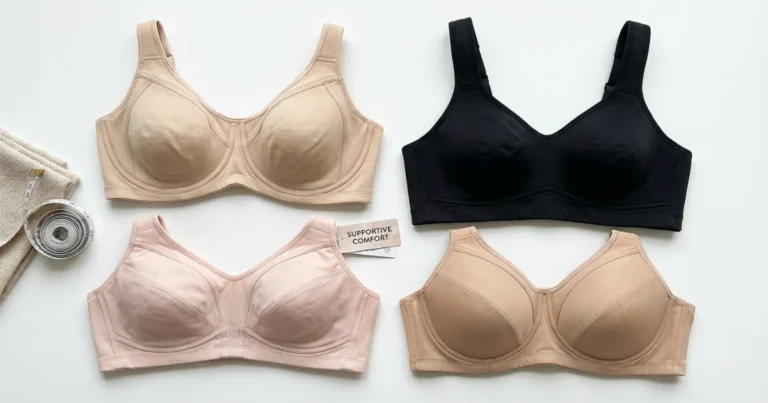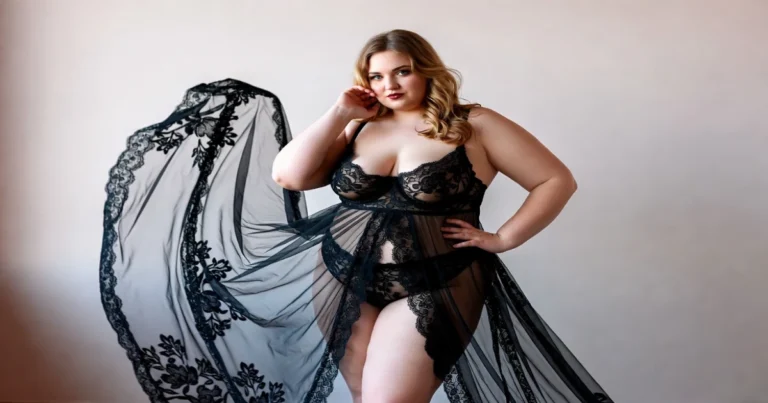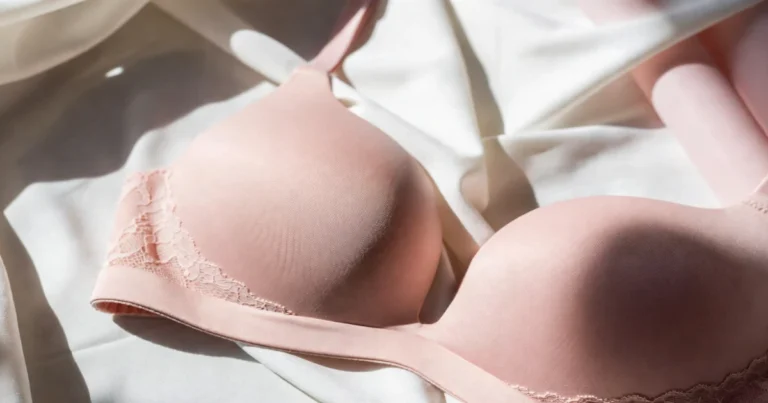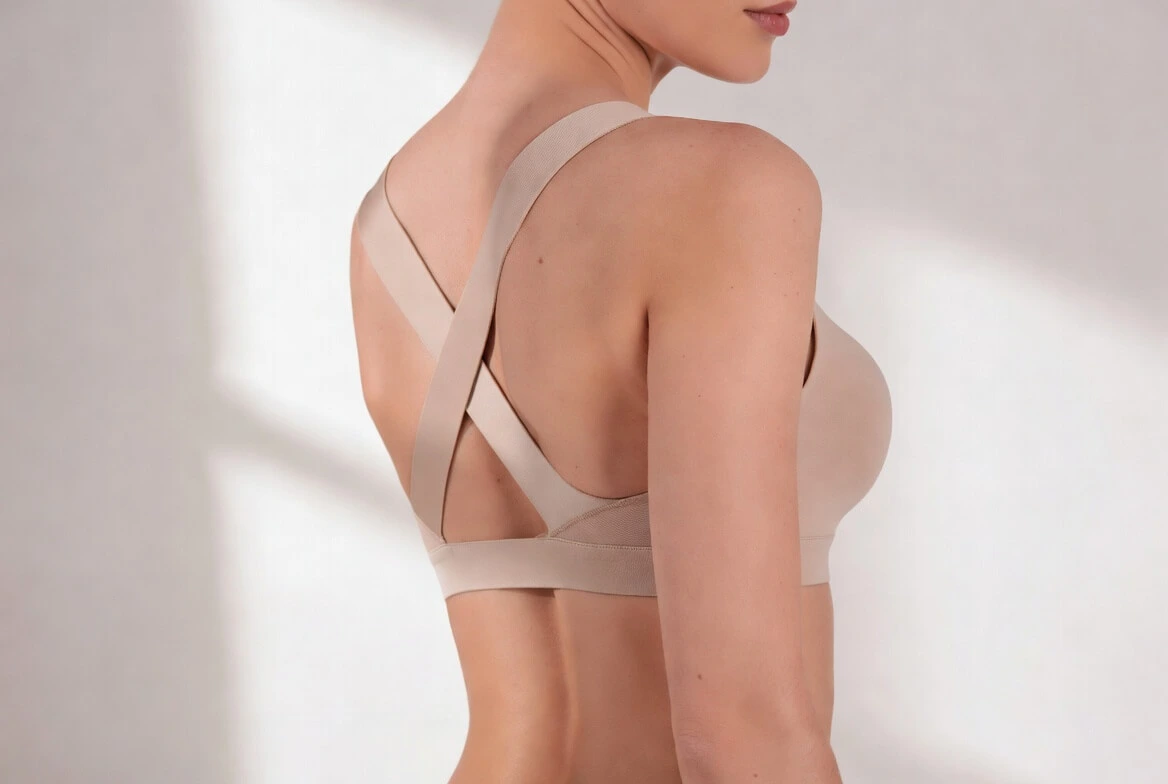
Posture corrector bras for large breasts offer structured support to align the shoulders and alleviate upper-back tension. They are designed with wide straps, X-back or crisscross panels, and full cups that distribute weight across the torso.
Most come with front closures, side wings, and breathable mesh for everyday wear. Nylon-spandex blends provide stretch without sag.
To compare fit, coverage, and comfort from 80 to 115 cm busts, the following sections outline each feature, sizing tips, and testing notes.
The Weight of the Matter
Large breasts add real mass to the chest, so gravity pulls the torso forward and strains the neck, shoulders, and upper back. The heavier the breasts, the more gravity pulls you forward. Without firm, well-fitted support, postural muscles work overtime, tire out, and slouching sets in.
Wearing a supportive bra can help distribute the weight, reduce the tendency to round the shoulders, and relieve pain linked to poor posture.
Posture Impact
Improper support can lead to a load on the trapezius and cervical spine, tipping the head forward and rounding the upper back. This chain reaction can tighten chest muscles, elongate the upper back, and rotate the thoracic spine out of neutral. Years of hunching over from heavy breasts can result in significant muscle imbalances throughout the upper body, making the choice of the right bra crucial for women with a full bust.
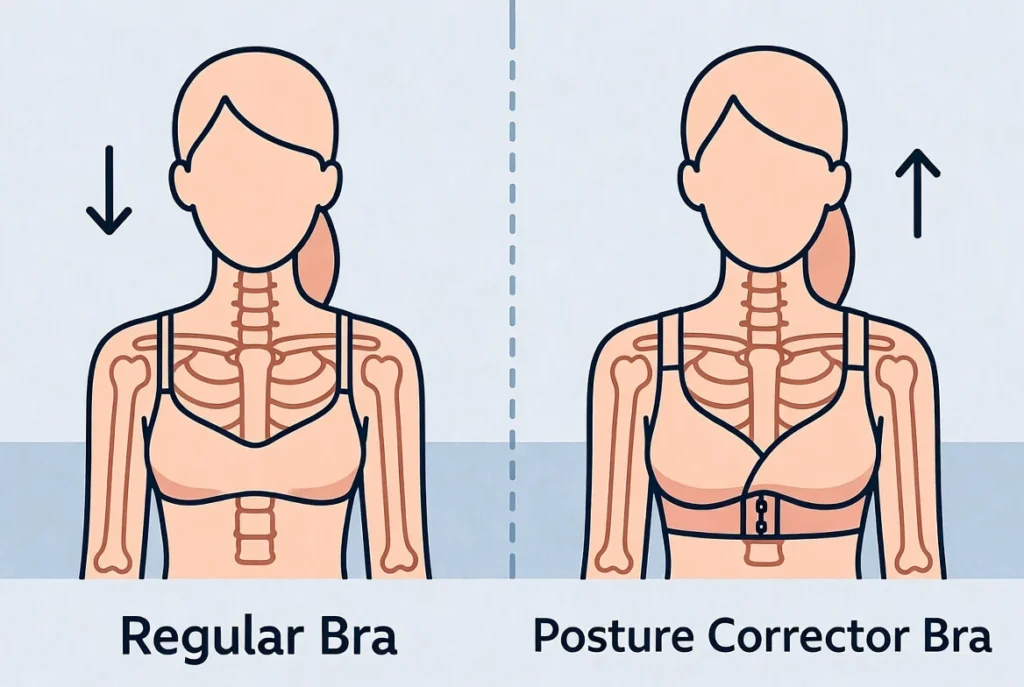
Posture corrector bras, such as the etalon posture bra, seek to regain a neutral spine by redistributing tissue off the ribcage beneath a wide band and guiding the shoulders back with broader straps and an upper-back panel. This configuration minimizes shear on the neck and distributes pressure across the torso, improving full-body alignment.
Over time, cheap bras can lead to cervical strain, thoracic outlet problems, and even back pain. Good posture support bras help postural muscles get a workout by keeping the ribcage stacked and giving those muscles a decent workload instead of a continual tug-of-war.
Choosing an effective posture corrector can address muscle imbalances and support a balanced posture, enhancing overall comfort during daily routines and workouts.
Daily Discomfort
- Neck stiffness, shoulder burn, upper back ache, and headaches after long days.
- Red, raw grooves from straps, soft skin beneath the breast crease.
- Tightness between the shoulder blades and an exhausted lower back come evening.
- Tingling down the arms from strap pressure or forward head position.
Symptoms are made worse by sitting at a desk, driving, or running errands when the band rides up or cups collapse. Even a brief stroll in a soft, stretchy bra can induce bounce and strain.
Regular bras with narrow straps can cause deep indentations and increased shoulder pressure. Posture bras with wide straps, compressive cups and supportive back paneling distribute weight, alleviate pressure points and lessen end-of-day strain.
Beyond the Pain
Improved lift and chest expansion can alleviate headaches associated with neck tension and reduce shallow breathing from lung compression. Others observe more even energy because inhaling is simpler.
It’s incredible how chronic pain just erodes confidence. Clothes hang better with steady lift, and motion—reaching, lifting, climbing stairs—feels more fluid.
Dealing with postural pain now—with precise self-measurement, strategic strength work for your shoulders, upper back and abdominals, and a well-designed posture bra—is going to save you a lot of problems down the line.
It’s the perfect fit that counts. Measure ribcage and bust in centimeters, then try band tightness and strap breadth.
How Posture Bras Help
Posture bras for large breasts, such as the etalon posture bra, provide specific support to distribute weight and relieve back pain while promoting a balanced posture. With reinforced back panels and wide underbands, these bras stabilize the upper back and encourage an upright stance during your daily routine, unlike regular bras that focus solely on the bust. This effective posture corrector helps your heavy breasts lie comfortably without digging or slouching.
1. Alleviating Pain
These bras distribute breast weight across the body so the traps, neck, and upper back aren’t taking the entire blow. Reduced hotspot pressure translates into fewer backaches, shoulder pain, and neck aches associated with bad posture.
Cutting-edge models harness double-layered panels and tension fabrics to stabilize the shoulder girdle and encourage muscle relaxation. Others incorporate patented tension weaves that provide gentle reminders to stack the ribcage and lengthen the spine.
Many users notice instant proprioception: the fit nudges you to stand tall when you start to slump. For the big-breasted, that cue comes in handy during desk work or a long standing shift. As with any pain plan, combine the bra with movement breaks, light core work, and a chair at the appropriate height.
2. Realigning Shoulders
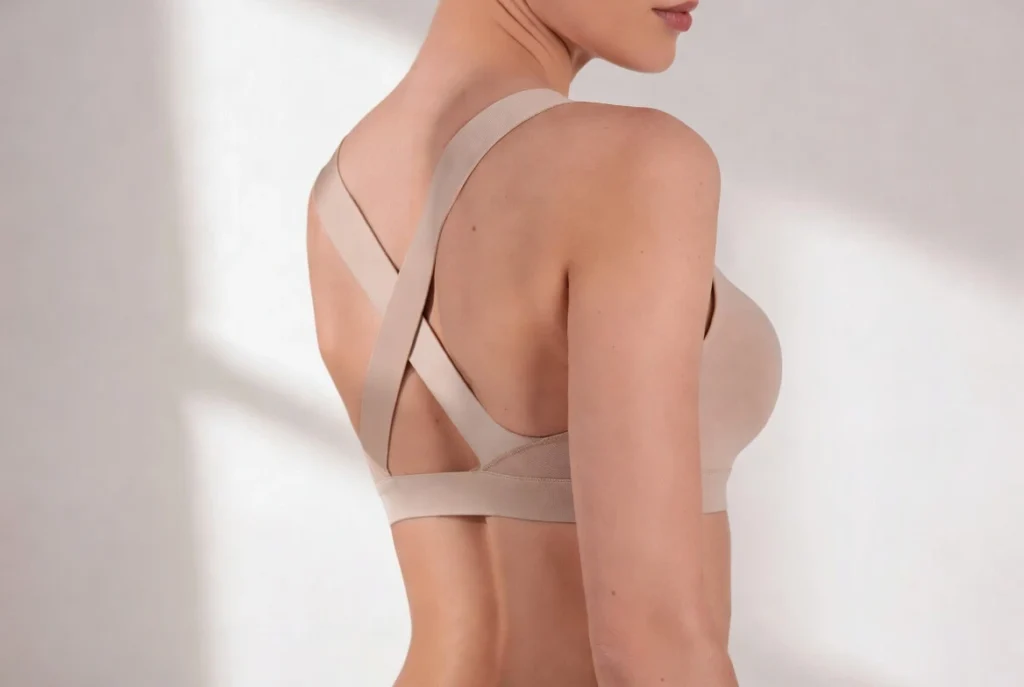
Posture bras employ cross-back or racerback panels to guide the shoulders back without a harsh pull. This allows the shoulder blades to glide down and in, which promotes a neutral spine.
Adjustable straps and tension fabrics calibrate precisely how much support rests at the scapula. Adjust so the band does more of the work and not the straps.
Better alignment reduces bra strap groove syndrome, nerve irritation, and arm tingling risks. With consistent use, the body develops muscle memory. Eventually, you maintain a straighter posture even when the bra is off.
3. Distributing Weight
Wide bands, strong underbands, and full coverage cups distribute weight across the ribs and mid-back. This diminishes hard pressure points.
Even load sharing prevents deep strap dents and side bulges. It holds the bust and upper back in unison, which balances posture while sitting or walking.
For reference, compare features:
- Wide band (8–10 cm), double-layer back, cross-strap tension
- Medium band (6–7 cm), reinforced wings, cushioned straps
- Longline band (10–12 cm), front closure, stabilizer mesh
4. Boosting Confidence
Better posture helps smooth lines under shirts and dresses, so clothes sit better and move with you. Women say they walk taller and feel more comfortable in public after making the switch to posture support.
That lift in comfort and shape can boost everyday confidence. Set off with supportive leggings or shorts, full-body alignment can feel more organic when paired with posture bras.
5. Preventing Strain
Stable bands and cross-back panels share the work with key back and shoulder muscles, combating fatigue in long meetings or travel. Adequate support reduces the risk of long-term problems associated with slouching and tech neck.
These bras can reduce fresh soreness on a quick walk or light gym work. For optimal benefits, don one during your desk sessions, insert mini stretch breaks, and maintain an active core. The subtle chest support can assist you in engaging it.
Anatomy of a Support Bra
A posture corrector bra for large breasts balances lift, alignment, and all-day comfort. Key checklist includes a broad underband, a reinforced back panel often made of power mesh, wide padded straps with full adjustability, full coverage molded cups, breathable and moisture-wicking fabric, multidirectional tensile zones, compression mapping at high movement areas, and stable front or multi-hook closures.
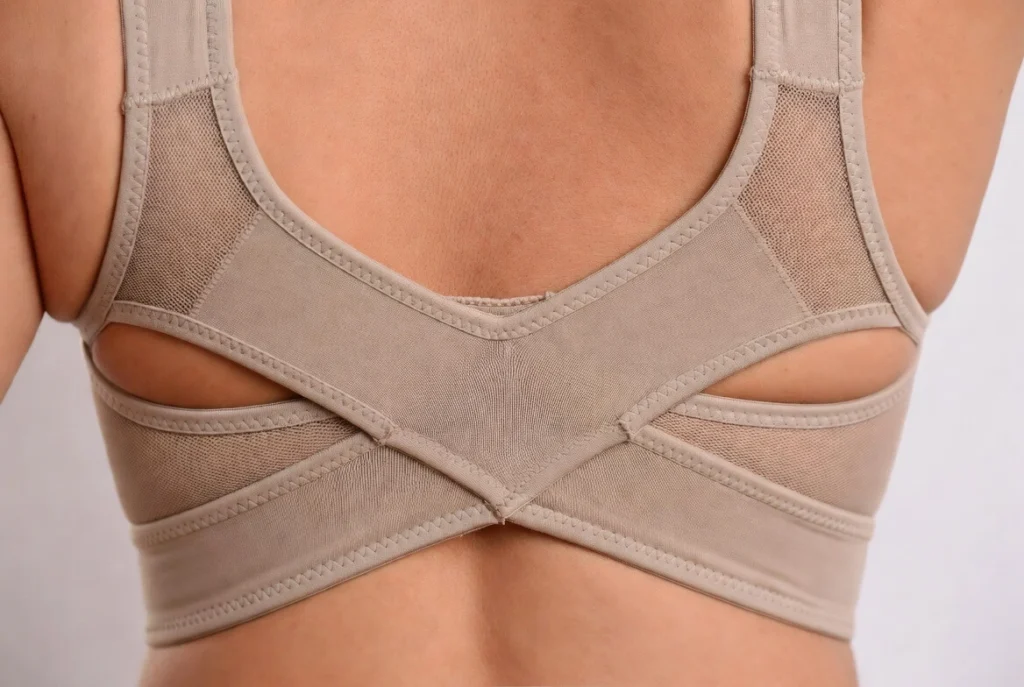
Designs to know are longline bras with wider underbands, racerback and cross-back builds that cue upper back muscles, wire-free structured bras using molded cups, and front-closure posture bras for ease and firm anchoring.
The Back Panel
Reinforced back panels steady the torso and help keep the shoulders from rounding. This support becomes important when breast weight is higher, as the back needs to resist forward pull.
A wider panel distributes load, reduces pressure points and prevents edge rolling. Power mesh is typical. It provides light tension to align shoulder blades and support the spine without capturing heat.
Breathable, moisture-wicking fabrics minimize sweat accumulation along the mid-back. Search for mesh zones that correspond to the spine and shoulder blades.
In new-age builds, multi-directional tensile weaves give stretch where you move and support where you require it. That equilibrium helps hold your torso erect through the noon-day grind.
The Straps
Broad, adjustable straps decrease shoulder tension and assist in activating upper-back muscles for improved posture. Padding keeps the loads higher to prevent digging into your skin and creating those deep grooves and rub.
Straps that flex with motion and hold the cup in place. Minor stretch at the front with firm back elastic is ideal.
Always check adjustability range and slider quality. More bust means more strap travel and secure hardware that won’t slide.
The Cups
Full coverage cups halt spillover at the neckline and sides, which helps to stabilize breast mass and keeps the center of gravity close to the chest.
For comfort, seek out molded or contoured cups that lift without hard squeeze. Wire-free bands can maintain their shape when the cup incorporates internal sling panels or bonded support wings.
Unlined or lightly lined cups breathe best for long wear, particularly with moisture-wicking knits. Match cup shapes—taller balconette, deeper plunge with side support, or full cup domes—to root width and projection.
The Closure
Front closures simplify dressing and provide a strong anchor at the sternum. This aids in setting posture prior to strap fine-tuning.
Several hook-and-eye rows at the back or front allow you to adjust tightness as material loosens. Wider closures distribute pressure to minimize bulges and enhance support.
Make sure the closure lays flat on your ribcage and matches a wide underband. That underband should take most of the weight while maintaining a snug, even grip in millimeters, not gaps.
Finding Your Perfect Fit
Posture corrector bras for large breast women work best when size and shape align with support directed. Most of us wear the wrong measure, with 70% too tight and 10% too loose, causing spillage, straining, and bad posture. A short checklist helps: confirm the band fits firm on the loosest hook, cups fully encase with no spill, straps sit flat without digging, center gore rests against the chest, and back panel lies level.
Remember to always consult brand-specific size charts and fit guides, as sizes differ by manufacturer and style. Record your existing best-fit cup size and breast shape (full-on-top, full-on-bottom, wide-set, close-set, projected, shallow) to guide style decisions.
Measure Correctly
Measure with a pliable tape. Stand tall, breathe out, and measure the underbust tight and even. Note in centimeters for accuracy. Then take the measurement at the fullest bust without pressing in tissue. Hold the tape parallel to the floor.
Tape while wearing a thin, non-padded bra or no bra at all to prevent phony numbers. Write down both numbers, then plot them on the brand’s chart. Cup volume varies by brand, so compare your measurement to each label’s chart before purchasing.
Remember your ‘best fit’ size from bras that already fit. That reference cup size helps translate cross-brand changes and eliminates guesswork as time goes on.
Assess Support
Scan for core support tech: reinforced back panels, X- or Y-shaped posture bands, wide underbands (at least 5 to 8 cm), side boning or stabilizers, multi-hook closures, and wide, cushioned straps. These distribute load across the torso rather than the shoulders.
Try a quick lift-and-separate test. Cups should hold each breast in its own space with no mash, hard edge, or quad-boob. The center gore should touch the sternum in wired styles. In wire-free, it should lie flat and steady.
I found my perfect fit. Bend, reach, and twist. The band shouldn’t be riding up, and cups shouldn’t be collapsing. If bounce is excessive or tissue shifts laterally, your support is less than what’s needed for the size and shape of your breasts.
Shop around between brands and models. A 95F in a posture bra from one label might fit like a 100E somewhere else. Others will have to sample two or three sizes to secure the perfect fit.
Check Comfort
The band should be firm, not abrasive. Straps should not dig. Bra strap syndrome can develop when weight is supported on the shoulders rather than the band.
Look for cup spillage, pinching at the wire line, or bulging near the underarm. Those signs signify a size, shape, or style mismatch.
Check fabric breathability, especially in warm climates: look for spacer foam, mesh zones, and moisture-wicking blends. Flex through your day-to-day activities. The bra should move with you and remain smooth.
Comfort sells wear time. A well-fitting posture bra can relieve pain, reduce tension, and support alignment. Pay attention to the cup size that checks all your boxes. This is your north star for future purchases.
Beyond the Bra Itself
Posture corrector bras for large breasts, like the etalon posture bra, are only the tip of the posture care iceberg. True change arises from gradual adaptation, steady wear, and little patches that keep back pain at bay.
The Adjustment Period
Don’t anticipate a steep learning curve. Posture correctors can feel odd or tight initially because they cue the upper back and shoulders to align. That cue can wake up weak muscle groups and reveal muscle imbalances that accumulated from years of bad posture.
Go slow. Wear the bra for 30 to 60 minutes on day one, then increase by 15 to 30 minutes every day until you achieve a consistent window of 2 to 4 hours every day. This timing aids muscle memory without overwhelming tissues. It aids you in detecting fit issues before they become skin issues.
See if there are tight bands, high armhole rub, or straps that dig near the collarbone. If you sense jabbing pressure, slacken the straps, change hooks, or experiment with an alternate band size. Slight, achy soreness across the mid-back or between the shoulder blades can be okay as postural muscles fire. Ice or mild heat and light chest and lat stretches can assist.
Long-Term Wear
Consistency beats duration. Wearing it every day for two to four hours helps develop muscle memory and push your alignment in the right direction, particularly if you tend to slouch or have some excess weight up front.
Over weeks, many individuals experience less neck and back pain as the bra supports adjust weight and prevent the tendency to hunch the shoulders. Yields differ. Some observe improved posture just while wearing the bra and not in the long-term after removal.
Still, others see enduring improvements when they combine the bra with strength training, screen breaks, and more optimal chair height. Track comfort, pain, and shoulder position each week. Side photos combined with a quick note on hours worn expose trends you might miss on a daily basis.
Rotate two or three posture bras. This preserves elastic, retains consistent support, and allows you to wash without missing a beat.
Potential Discomforts
Typical complaints include chafing at the underarm, limited overhead reach, band roll, and hot spots at strap junctions. Most can be attributed to tight straps, a narrow band, or a cup that is too small.
Fixes are simple: loosen or cross-back the straps, choose a wider band (at least 8 to 10 cm), and ensure cups fully encase tissue. Seamless edges, bonded seams, and soft, breathable fabrics help if you’re sensitive. Bamboo blends and lined power mesh help reduce sweat and friction.
If pain continues or you experience numbness or tingling, discontinue use and reevaluate fit. Posture correctors work differently depending on your body type and expectations. Some individuals with deep-seated bad postural habits require guided rehab to maintain proper alignment unaided.
Making Your Investment Last
Proper care keeps posture corrector bras for large breasts comfortable, clean, and safe on skin. That’s important when prices can soar to almost $200. The right routine can help offset restrictions, like support fading as soon as you remove the bra or early shoulder, neck, or back aches.
Think steady wear, easy maintenance, and minor fit checks to maintain shape and support.
- Wash on a gentle plan and skip harsh agents.
- Dry flat, no heat; keep elastic and seams stable.
- Store with structure; avoid crush and sun.
- Rotate pieces; rest fibers between wears.
- Set a cleaning and inspection calendar.
- Recheck strap tension every few weeks.
- Replace when band stretch or cup creep appears.
- Keep notes on wear hours and comfort changes.
Washing
Hand wash in cool water and a mild liquid detergent. A brief soft machine cycle in a mesh sack is fine if you’re pressed for time. This safeguards stiff bands, spine plates, and any side ballerina sling that takes the pressure off the arrows.
Don’t use bleach or fabric softener. Both can degrade elastic, foam, and bonded layers that provide lift and form. A softer feel does not equal stable support.
Rinse until clear. Soap residue can itch or chafe, which is usual when you’re just beginning to wear and may already feel raw.
Wash after 2 to 3 wears, or immediately post-sweat. A good washing maintains the squishy, compressive sensation that certain high-durability models retain even after months of abuse.
Drying
Lay flat on a towel, re-form the cups, and straighten the straps. Store out of sun and away from heaters because heat accelerates elastic fatigue and warps underbands.
Don’t wring or twist. This can snap boning, rip stitching, and tear strap anchors.
Pro tip: Skip the dryer. Tumble cycles can bend hooks, flare wings, and shorten lift zone life.
Allow it to dry in the air completely before storage. A moist cloth welcomes mildew and stink that disintegrate threads quickly.
Storing
Store flat or fold one time through the middle, cups nested inside cups. Don’t pile heavy things on it.
Store in a cool, dry drawer. Light and moisture gradually fade fabrics and soften elastic.
Use dividers or a bra box to keep sizes and styles separated so straps don’t get tangled and pads don’t dent.
Rotate among a minimum of three bras, if you can. Daily wear can’t be for all, and even use makes each piece last.
Refit straps and bands every 4 to 6 weeks to support shifts with stretch and body change. Long-term value depends on usage, care, and your needs.
Wearing only a few hours a day may not change posture once removed, but well-kept bras keep support consistent during wear.
Conclusion
Powerful support begins with fit, fabric, and clever construction. Large chests require serious lift, wide straps, and a secure band. A posture bra can relieve tension in the neck, back, and shoulders. This leads to a tall, open posture in reality. Consider school pick-up, extended desk days, or a plane ride. Small victories pile up.
To select a victor, take exact bust and band size in centimeters. Go for lined cups, U-back or X-back straps, and a wide hook row. Test your range of motion. Inspect seams and wire tips for rub. Wash in cold water. Air dry flat. Rotate two or three bras to maintain shape.
Want next steps. Look at bestsellers by strap width, band height, cup depth, and return terms. Then purchase, sport for a week, and observe the shift.
Frequently Asked Questions
Do posture corrector bras really help with back and shoulder pain for large breasts?
Yes. A properly fitted etalon posture bra adjusts weight distribution, supports the upper back, and relieves the pressure on your shoulders. Opt for wide straps, firm bands, and cross or X-back designs to address muscle imbalances effectively.
What features should I look for in a posture bra for heavy busts?
Focus on a wide, supportive band and full-coverage cups to accommodate larger breasts. The etalon posture bra features reinforced underwire, molded support, and wide padded straps, providing postural support and comfort throughout your daily routine.
How do I find the right size for a posture bra?
To find the right bra, measure your ribcage tightly for band size and your fullest bust for cup size, especially if you have a full bust. Consult a size chart from the brand to ensure a comfortable fit, as a proper size is crucial for addressing common pain points like back pain.
Are posture bras safe to wear daily?
Yes, if they fit correctly. It’s important to switch bras to avoid pressure points, especially for women with a full bust. Steer clear of bands that ride up or straps that dig in, as this can lead to back pain and poor posture. If you experience numbness, pain, or labored breathing, cease and refit. Consider visiting a fitter for sensitive shoulders or after surgery to ensure you find the right bra.
Do posture bras replace physical therapy or exercise?
No. They supplement, rather than substitute, strength and mobility work. Combine your etalon posture bra with posture drills, back and core exercises, and daily movement to address muscle imbalances. If it is painful, go to a qualified clinician!
Which styles work best for large breasts: underwire or wireless?
Either can work. Underwire delivers structured lift and shape, making it essential to choose the right bra for your needs. High-support wireless designs with reinforced frames can feel softer and provide postural support during rigorous workouts. Select according to comfort, tissue sensitivity, and activity level, ensuring you test bounce and stability before purchase.
How do I make a posture bra last longer?
Rotate your bras, including your etalon posture bra, wash them in cold water, and air-dry. Utilize a lingerie bag. Hook hooks prior to washing. Lay flat. Swap out when the band stretches, straps slip, or cups wrinkle. Good bras, especially those designed for a full bust, tend to last six to twelve months with normal wear.