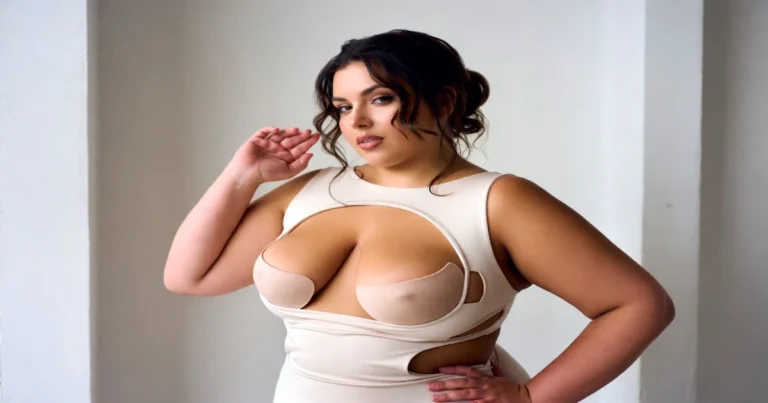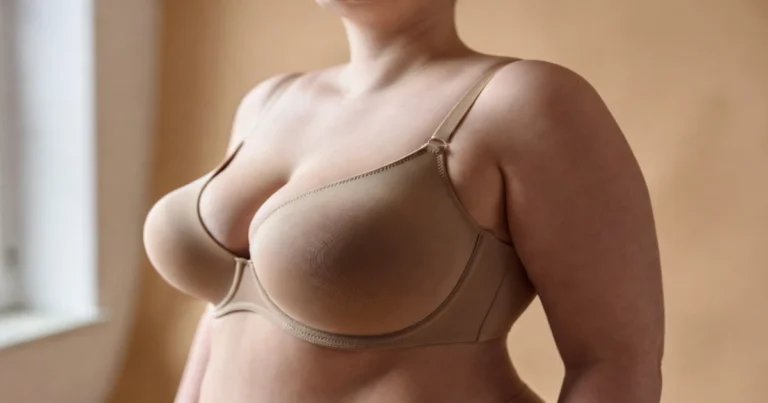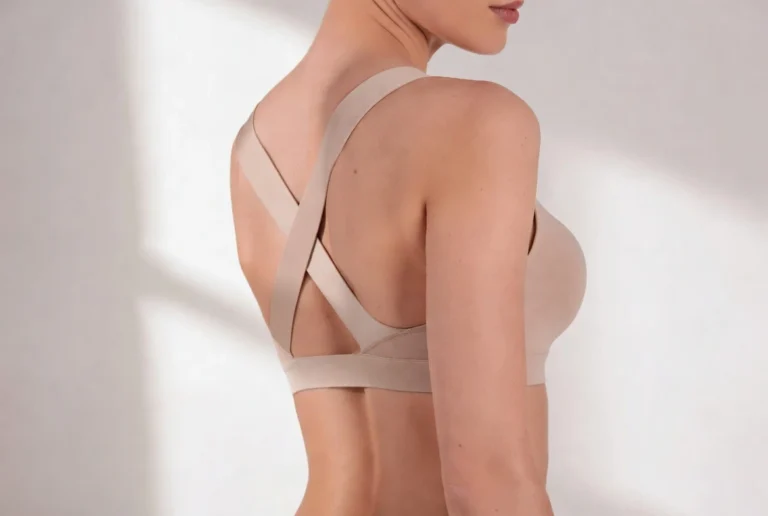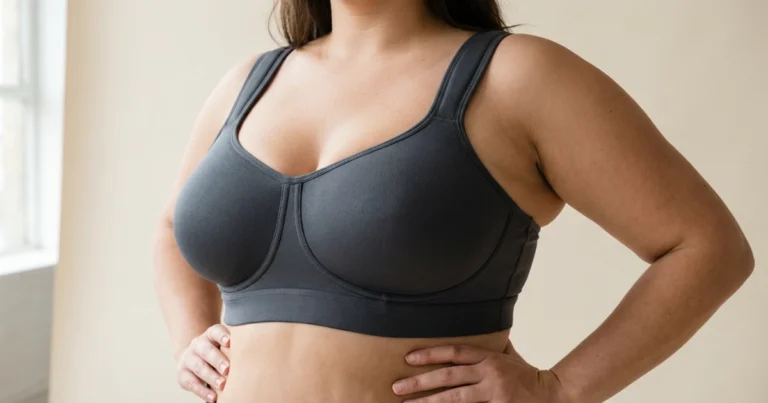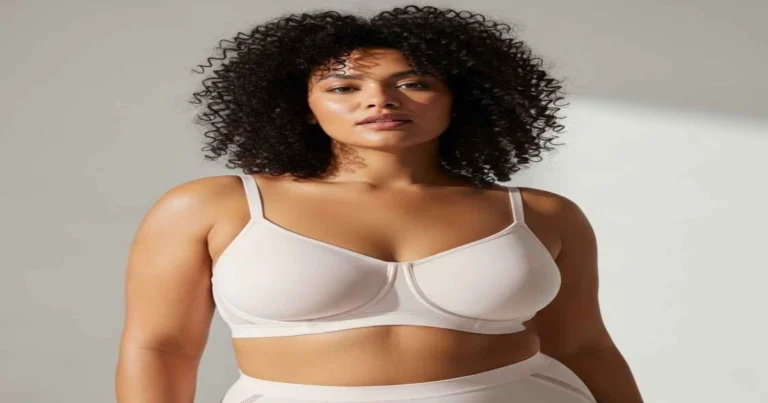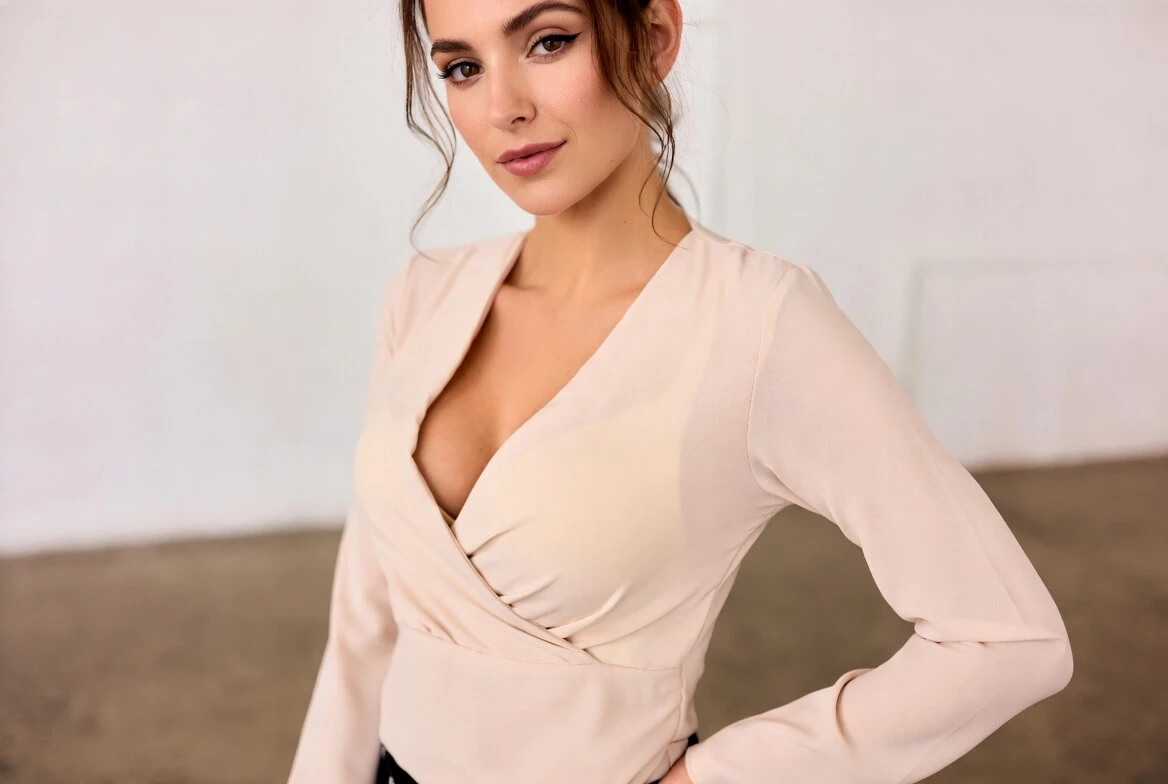
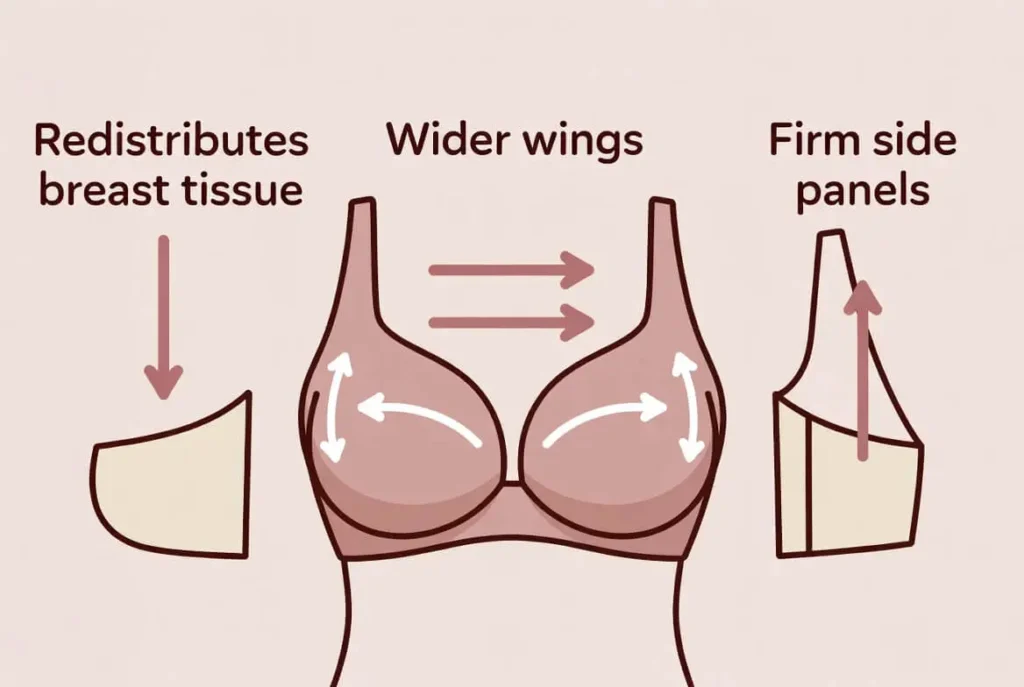
Large bust minimizer bras are not designed to reduce your size, but to provide a smaller, smoother look by redistributing breast tissue. With firm cups, wider wings and strong bands, they cut bounce and bulge under shirts and dresses.
Most styles incorporate side panels, padded straps and moisture-wicking fabric for all-day comfort. Typically, sizes range from 32C to 46H, with wired and wire-free choices.
Below, discover fit tips, key features, and tried-and-true picks across budgets.
What Are Large Bust Minimizer Bras?
Supportive bras, like the best bras for minimizing forward projection, are designed to create a slimmer silhouette while redistributing breast tissue for a minimized appearance without brutal compression. With options across sizes, styles, and fabrics, including comfortable bras and quality minimizer bras, they suit diverse needs.
1. The Design
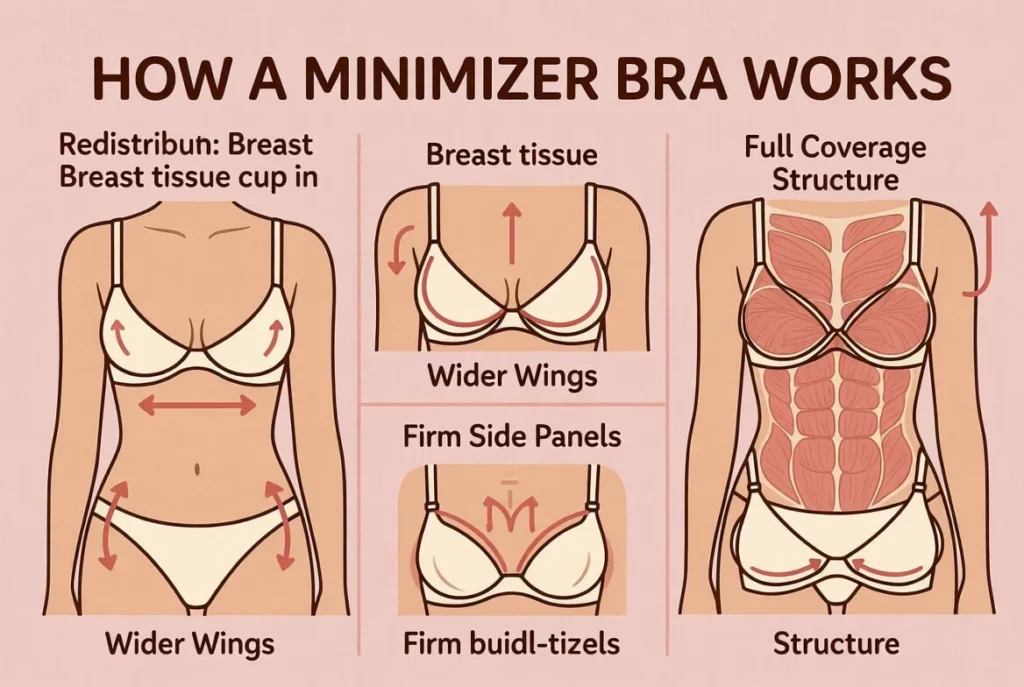
Using full coverage cups that encase more of the breast, minimizers direct tissue toward the center and sides of the bra for a rounder, less protruding shape. Structured seams or molded zones retain that form, which restricts gaping in button-downs and strain above fitted knits.
Bands are wider to anchor the fit, and straps are thicker and sturdier to distribute weight across the shoulders. You find this in underwire styles for lift or wireless frames for a gentle touch. Smoothing side panels tame spillover, while reinforced centers hold the cups in place and help avoid the “east-west” appearance.
For peeking out under clothes, numerous styles opt to add seamless finishes or flat lace overlays that lay smooth under lightweight materials.
2. The Mechanism
They function by redistributing breast tissue all over the chest wall to form a tight, symmetrical silhouette rather than an anterior thrust. Its compression is calculated and combined with containment, so the bust appears smaller, usually 2 to 7 centimeters, without a restricting bind.
Some models utilize light foam, spacer knit, or mesh panels to control projection while allowing airflow. The goal is a flattering, natural shape, not flattening.
3. The Materials
Popular fabrics are airy cotton, hard-wearing polyester and mixes with elastane or spandex for stretch and snapback. Most combine nylon shells for durability with soft linings for comfort. Moisture-wicking finishes assist on warm days or extended wear.
Seek out materials that stretch in multiple directions but retain form, as that combination supports and minimizes simultaneously. High-end styles might feature brushed backs, seamless edges, or power mesh wings for smooth sides.
Fabric quick guide:
- Cotton is cool, kind to skin, and less sleek under clingy tops.
- Nylon/elastane: smooth, strong hold, good under fitted clothes.
- Polyester blends: durable, stable shape, often wicks well.
4. The Difference
Compared to regular bras, minimizers focus on projection control with additional coverage, reinforced wings, and strategically placed seams. They center on full cup sizes but can accommodate diverse silhouettes.
They’re not sports bras, which have bounce control as a primary design criteria and employ firmer compression and different strap geometry.
5. The Purpose
They help create a more proportionate look in clothes and can eliminate gaping in button-ups or bulges under slim tees. Most wearers are more comfortable in work attire or dressy ensembles.
Some like the extra structure, while others prefer lighter support. With underwire, wireless, and unlined options, they have a place in a versatile wardrobe.
The Minimizer Bra Experience
The Minimizer Bra Experience. They can minimize apparent bust size by 5 centimeters, allowing clothing to skim the body and close crisply. The reward is a sleeker silhouette beneath your shirts, blazers, and dresses, frequently with less trouble in the bust department.
The right style should support and embrace you, function for everyday wear and special occasions, and make you feel comfortable in your own skin. For many larger busts, a minimizer can be a cornerstone in an eclectic wardrobe that crosses casual, office, and formal looks.
The Comfort
Choose fabrics that breathe and flow. Nylon blends with elastane are standard, and lots of brands have switched over to recycled fibers that are still silky. Seek out brushed linings and flat seams to reduce friction.
Wide, padded straps count when the weight accumulates through a long day. A wide band disperses the weight across the torso instead of the shoulders, which can alleviate lines and tension.
Cups flex to your shape. Lightly molded or unlined yet firm cups can shift without pinching. A tall center gore can introduce separation that promotes airflow and reduces rubbing.
If you live in warm climates or commute a lot, moisture-wicking linings help keep skin dry. This is a minor detail, but it can make hours of wear feel significantly more simple.
The Support
Lift begins with structure. Strong underwire provides defined support for a lot, while reinforced wireless styles are perfect for those who hate wire but still require hold. Both can hold the bust tighter to the chest for a skinnier side profile.
Full coverage cups and side slings contain tissue and cut spillage. The thick bands minimize the back and create less visible bulges under thin tops.
A steady, wide band is the mooring. It takes on a majority of the support and when properly sized can minimize back pain.
Adjustable straps adjust height and balance. Adjust strap length to torso length and then recheck after several washes.
The Confidence
A great fit can lift self-esteem because the profile appears neat and natural. Many women experience size reduction while maintaining a rounded, not flattened, shape.
Less gapping buttons, flat seams, and everything lays easier in outfits. Typically separating better with a firmer gore, blouses close without stretch.
Try styles to match needs: wireless for lounge, underwire for sharp shape, lace for polish, strapless for event wear. While some minimizers are cozy, others are just too squished or matronly, so try before you buy!
Mind sizing idiosyncrasies. Some lines come small or on thin color stock. Consult the size chart, compare cup depth, and measure your ribcage in centimeters.
Choosing Your Perfect Fit
Begin with the right figures. Taking your current bra set is key to discovering the right fit, as minimizer bras work best when band and cup correspond with your shape. Consult a comprehensive size chart or free quiz or fitting guide, then shop across brands. You might have to size up or down since band and cup sizes can be on the small side.
Create a checklist: band snug on loosest hook, cups fully filled with smooth coverage, straps secure but light, silhouette suits your clothes, and comfort holds through a full day.
Measure Correctly
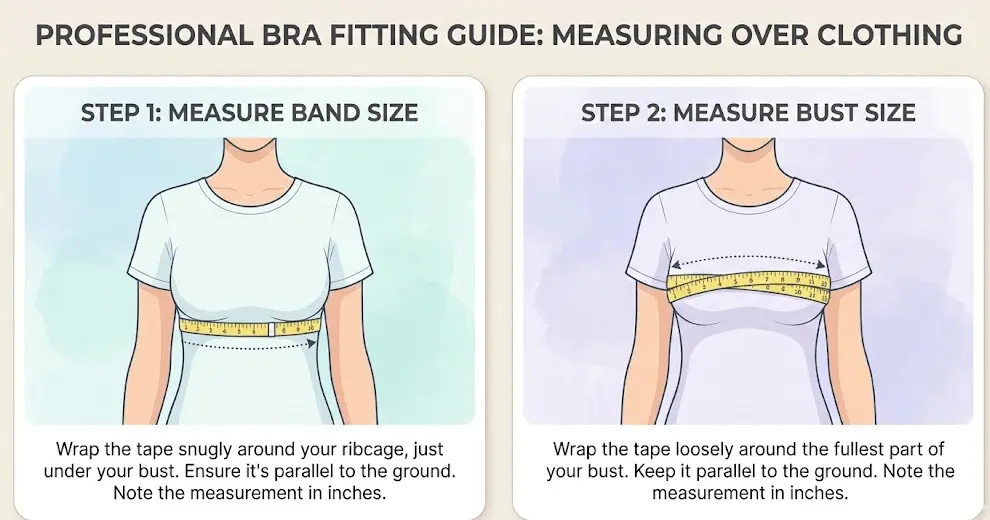
Measure the ribcage snugly, directly beneath the bust, for band size. Pull the tape level and firm, not tight. Take the measurement around the fullest part of the bust for cup size, with shoulders relaxed.
Write down both numbers, round up to the nearest whole number, and calculate cup by subtracting band from bust. Reevaluate every six months as breast size and shape can vary with weight fluctuations, hormones, or training.
Check brand-specific charts against your own measurements since some labels run small. If available, sample half-cup sizes for an even better fit. When in doubt, an in-store bra fitting pro can reassure fit and direct you to styles that align with your profile.
Check The Band
It should sit level around the ribcage without riding up or digging in. Strap on the loosest hook first so you can tighten as the elastic wears out.
A firm, supportive band does the heavy lifting and powers the minimizing effect, which for many can reduce projection by up to 5 centimeters. Don’t do tight breathing, marking bands. If you have to decide between too tight and a little loose, go with comfort and snug it up with the hooks.
If you fall between sizes depending on the brand, go one band size up and one size down and test for movement—reach, twist, and sit.
Assess The Cups
Cups must completely enclose breast tissue, with no spaces, overspill, or puckering at the apex or sides. Opt for smooth coverage to create a clean line under shirts. Seamless or underwired can assist when you want a sleeker look.
Match cup shape to your profile. Full-coverage floats for round or even forms. Plunge might work for close-set or projected breasts. Side-support panels assist with east-west spread.
Experiment with various cup styles and when offered, half-cup sizes. Keep in mind that minimizer bras can curb visible size up to 5 cm, but it depends on your body type and the fabric.
Adjust The Straps
Adjust straps to lie flat without sliding or pinching. They should not leave indentations on the skin by noon. Opt for wide, padded, or even fully adjustable straps for additional support, particularly in larger sizes.
Make sure the band, not the straps, does the brunt of the work. Re-adjust after washing or throughout the day as materials relax. If you’re not sure what styles or sizes to try, a fitter can recommend styles that optimize the width of your straps, cup shape, and everyday wardrobe.
Beyond The Basics
Minimizer bras do more than ‘make smaller.’ They reallocate tissue for a cleaner line, sometimes cutting projection by as much as 2.5 centimeters, all while maintaining lift, control, and comfort. Fit drives results: cup depth, wing height, strap width and spacing, and padding all change how a bra looks under clothes.
Fabric issues as well—breathable blends, nylons with elastane, and lace can all remain airy but substantial. A lot of styles just vanish beneath tees, fitted knits, or even sheers when color-matched.
Seamless
Seamless minimizer bras work best when you want a slick foundation under clingy jersey, satin, or fine cotton. Molded cups and bonded edges trim lines and bulges, so your chest appears flat and clean from the side. Soft, stretchy elastane-infused fabrics flex through the day without digging.
They accompany everyday wear, travel, and fitted clothing. Seek out broad, stable wings that stabilize the band, as the wing is what provides the majority of support. If you notice gaping or spillage, move size up or down. Small shifts can reinstate the minimizing magic.
For a quick checklist:
- Fabric: lightweight, breathable, with 15–30% elastane
- Straps: medium to wide, closer-set for narrow shoulders
- Cup: lightly lined, no bulky padding
- Visibility: low under tees and thin blouses
Underwired
Underwire minimizer bras provide firm lift and defined shape for heavy breasts. A well-made wire sits flat at the sternum and hugs the root without poking. It lays tissue across the frame, not forward, which aids under suits and such formal looks.
Opt for full-cup or balconette profiles with strong wings and U-shaped backs. Wider straps relieve strain and help the wire do its job. For size, make sure the band is snug on the loosest hook. Fine tune the cup letter if the wire rests on tissue.
Feature comparison:
- Support: maximum lift and projection control
- Silhouette: sharp and tailored under woven shirts
- Comfort: padded wire channels, stable band, firm straps
- Materials: nylon–elastane blends with breathable lining
Non-Wired
Wireless minimizers exchange rigid support for gentle grip and broad coverage. With the proper inner sling, double-ply cups and sturdy wings, they continue to minimize forward bulk and smooth the silhouette.
They work for lazy days, cross-country flights, and even delicate skin. Most arrive as either full-coverage styles or bralettes with high sides and wide bands. Go beyond the basics. Check strap width and spacing, as narrow straps on a soft frame diminish effectiveness.
Expect:
- Lift: moderate, with gentle compression
- Feel: flexible, no poke points
- Clothes: tees, knits, lounge sets
Lace
Lace minimizer bras bring fashion without sacrificing utility. Today’s laces are flat, bonded, or lined to stay smooth beneath blouses. Many of them employ reinforced lower cups, side panels, and smoothing wings to control projection and side fullness.
Great for special occasions, but every day wear if the lace is gentle and firm. Select tiered lace with little texture if you wear sheer tops and desire low show-through.
Comparison points:
- Aesthetic: elegant, refined
- Support: lined lace, side slings, firm wings
- Visibility: low with flat lace; test under light fabrics
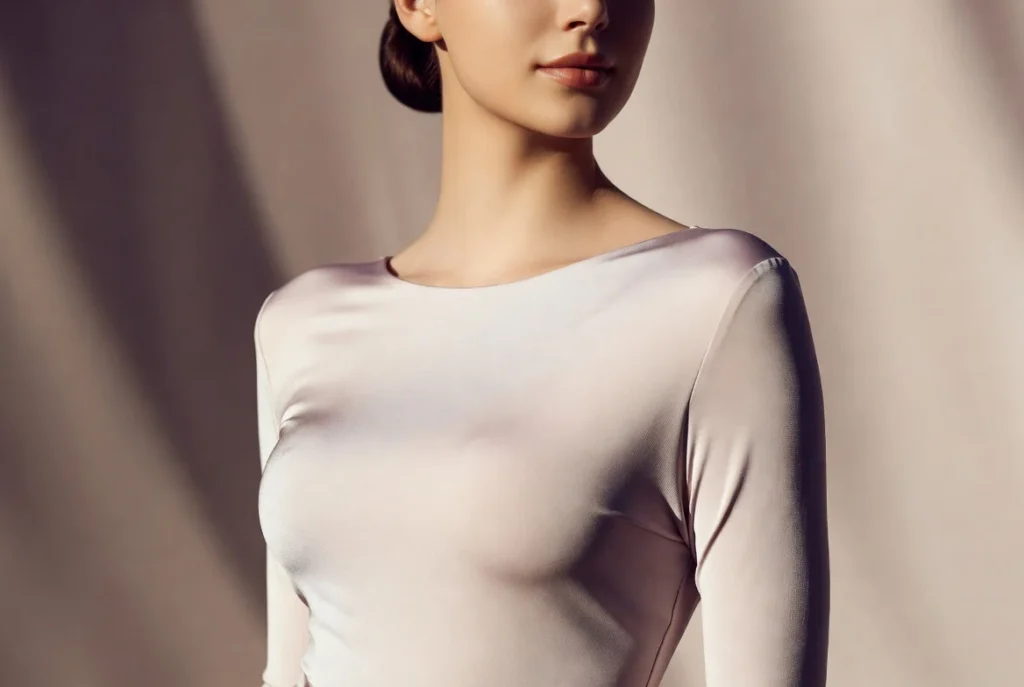
Styling With Confidence
Minimizer bras ensure your clothes will lie flat against your body without pulling. A confident style cut can minimize bust appearance by up to one cup size, alleviating fit concerns and boosting everyday confidence. Maintain a mini collection in neutrals—black, beige, and gentle brown—for effortless coordinating with clothes and textures.
Many people discover this easy change provides cushioning and a sleek line beneath most tops, which makes them feel prepared for the day.
Button-Down Shirts
For button-downs, a minimizer bra eliminates gaping and bulging, so plackets lie flat and seams align. Go for full coverage cups with strong thick side panels to direct tissue in and achieve a smooth front. This prevents tugging at the buttons and allows the shirt to drape as it was designed to fall.
Seamless or lightly lined cups pair nicely under crisp poplin and stretch cotton. They silence texture, so darts and pockets appear crisp, not cluttered. When the base layer is sleek, a fitted dress shirt comes across sleek and purposeful, which can increase your confidence when you’re out and about.
One in a neutral shade close to your skin tone keeps the bra invisible under white or pale blue fabrics.
Fitted Tops
Fitted knits and ribbed tees look best layered over a slick base, especially when paired with a comfortable bra like a minimizer bra. This type of bra shapes a contoured line that reads balanced, not top-heavy, making it the perfect choice for those seeking a seamless look. Molded or seamless cups eliminate show-through and guard edges from printing under jersey, viscose, or fine wool, enhancing your overall appearance.
Choose nude for sheer or pale shades, and opt for airy materials when warmth or extended hours come into play. Many people discover that once the lines are gone, they are more comfortable in close-fitting tops, which helps with both comfort and confidence.
The top can cling to the waist and shoulders without pulling additional attention to the chest.
Professional Wear
Office looks thrive on structure. Underwired or firm, non-stretch minimizer cups prop up tailored blouses, shift dresses, and blazers. Lapels stay flat, and darts stay in place. This firm foundation keeps jackets finishing without tension across the bust, a worry for numerous figure types.
A little turn—beige, cocoa, and black—hits the majority of suiting colors. Seamless finishes prevent ridges under silk shells, while wider straps distribute weight during long meetings.
The right bra tends to transform an outfit not just in appearance, but in the way it feels as well. When clothing looks good and feels good, a lot of people experience more confidence in presentations and everyday work.
Debunking Common Myths
Minimizer bras, like the perfect minimizer bra, effectively compress the bust shape for a seamless look under clothing, using clever patterning and support without squeezing tissue.
Minimizers flatten the chest
They don’t flatten or eliminate form. They move bulk from the center and front to the sides and a little up, so the bust appears sleek and natural. Most styles reduce front projection by roughly 2 centimeters to 2.5 centimeters, which eliminates gaps on button downs or fitted tops.
To illustrate, a full-coverage minimizer with side panels shifts fullness away from the placket, decreasing pull lines without a boxy appearance. If a bra makes your bust look boxy or pointed at the seams, it’s the wrong size or a stiff cup, not a typical minimizer characteristic.
Minimizers are uncomfortable and outdated
New styles emphasize support and comfort. Today’s minimizers are typically composed of breathable mesh, soft cups with flexible darts, and cushioned, wide straps to distribute weight. Bonded seams trim bulk beneath thin materials.
Most are lined but not stiff, so they function for everyday wear, not just occasions. If you’ve had strap pain, try padded straps and a broader back band. If you’ve had friction close to the armpit, check out low-scallop edges and silky wings. Comfort concerns typically are a result of inadequate fit, not the idea.
Only for very large busts
A minimizer can assist all sizes, even mediums wanting a smoother line beneath clingy attire. Small cup ladies can use a light minimizer to flatten out the top of the bust, smooth out side tissue, and eliminate gaping in wovens.
They aren’t size elitists. Rotate your minimizer with t-shirt bras and wireless styles throughout the week to prevent pressure in the same spot all the time and to coordinate with different fabrics and necklines.
Minimizers reduce size permanently
They don’t affect breast size. They provide short-term contouring so clothes drape better. Choose your typical bra size initially, then verify fit stages.
The band should be snug on the loosest hook, the straps stay put without digging and the cups surround tissue with no overflow. The center gore might not lay flat in certain shapes or plunge styles. That can be an indication you need a different cup depth or wire width, not evidence that minimizers squash the breast.
If you desire added control, look for side-support panels and stiff wings. For comfort-priority days, opt for softer cups. Wearing a bra every day is okay, but switch them up to maintain comfort levels and fabric freshness.

Conclusion
A quality minimizer bra does legit work. It smooths lines, brings balance and helps tops sit right. It can alleviate neck strain. It can reduce bounce. It can provide a smooth shape without bulk.
To achieve the optimal effect, begin with size. The back band should be tight. Test cup depth. Experiment with side support, wide straps, or a high gore. Search for flat seams and sturdy fabric. Test it under a tee, a blouse, and a knit dress. See how it looks in daylight.
To assemble a mini-kit, choose one for work, one for heat, and one for athletics. Wash gently. Rotate frequently. Save what feels right.
Have a favorite style or brand that made all the difference? Leave it below or request fit help.
Frequently Asked Questions
What is a minimizer bra and how does it work?
A minimizer bra, such as the best bras from Chantelle, redistributes breast tissue for a more svelte appearance. It is built with wider cups and firm side panels, leading to a minimized bust projection while preserving natural shape and comfort, making it a perfect choice for everyday wear.
Who should wear a large bust minimizer bra?
Anyone looking for less projection control or a smoother fit under clothes will find the perfect choice in this comfortable bra. It’s ideal for button-downs, fitted tops, and dressy wear, especially for those with larger busts minimizer bras.
Will a minimizer bra flatten my chest?
Good minimizers, like the best bras, sculpt rather than squeeze, distributing tissue across the chest for balanced support. Look for features like molded or seamed cups, strong wings, and a stable band for a comfortable bra that maintains a rounded silhouette.
How do I choose the right size for a minimizer bra?
Begin with a recent measurement to find the best bras for your bust shape. Fit the band snug on the loosest hook, ensuring there’s no spillage or gaping. If your center gore doesn’t lie flat, consider a larger cup or a different style like the seamless look of wireless minimizer bras.
Are minimizer bras comfortable for daily wear?
Yes, when well-fitted, a comfortable bra made from breathable fabrics with padded straps and flat seams can be the best choice. A wider back band and side boning enhance support, ensuring comfort all day long without pressure points.
Can a minimizer bra improve posture?
It’s a life saver! Firm bands and structured cups of the best bras carry weight closer to the torso, alleviating shoulder strain and promoting an upright posture, especially for larger busts.
What styles pair best with minimizer bras?
They glimmer beneath buttondowns, fitted tees, and structured dresses. Seamless minimizers, like the best bras, work beneath thin fabrics. For deep necklines, why not opt for a plunge minimizer or a comfortable bra for all-day wear?