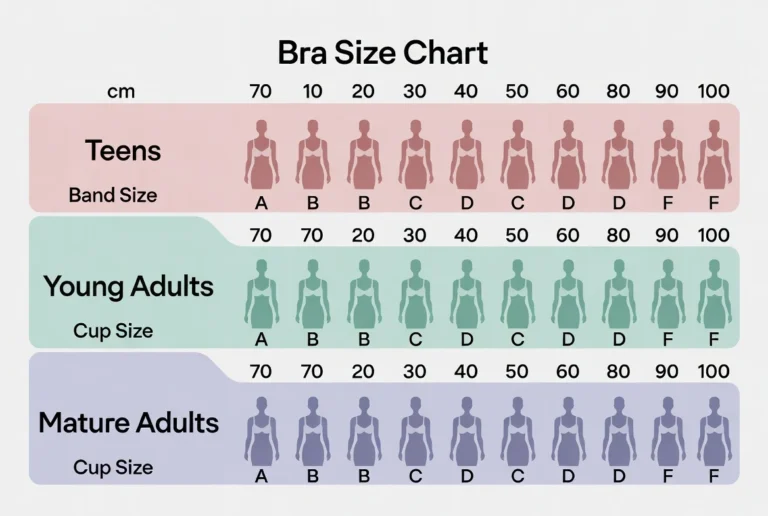
Bra size measurement in the USA uses inches, calculating band and cup from bust and underbust data. Most brands use a 28 to 48 band and lettered cups from AA on up.
The band is underbust in inches, rounded, and cup size is bust minus bands. Retailers use 2.5 cm steps for international charts, but US sizing stays inch-based.
To cross-check sizes across brands and regions, the next sections detail measurement methods and fit tips. This complete 2026 guide teaches you how to measure, identify good/bad fit, understand sister sizes, decode US vs UK sizes, and choose styles based on breast shape and root width.
How to Measure Bra Size
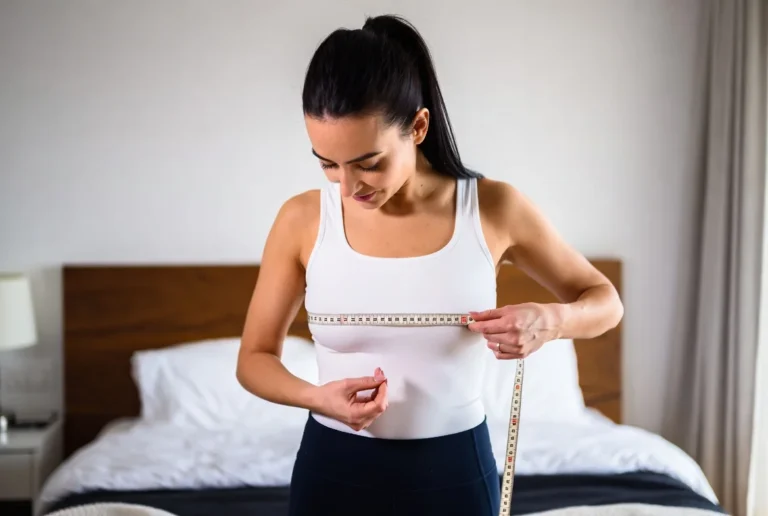
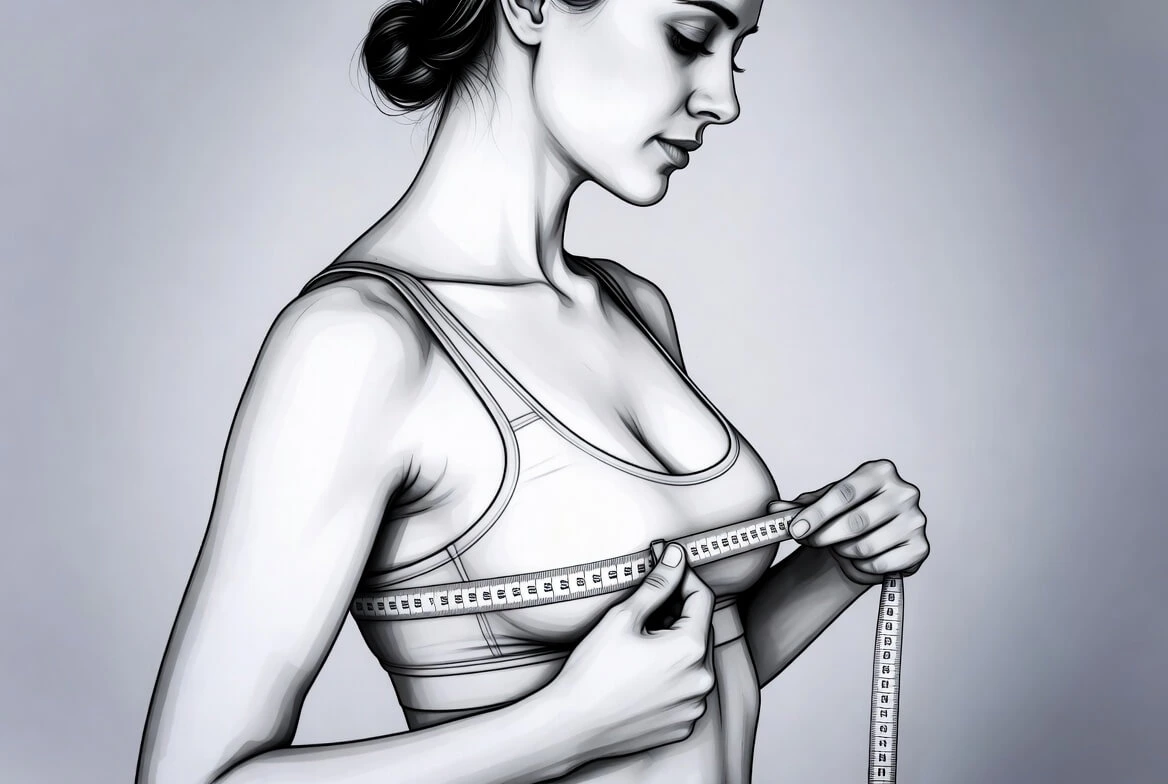
Accurate sizing in the United States relies on two key measurements: the underbust (band) and the fullest bust size. To ensure you find the ideal bra fit, use a soft tape measure, stay level, and aim for snug, not tight. Document both measurements, then calculate the cup size based on the inch difference.
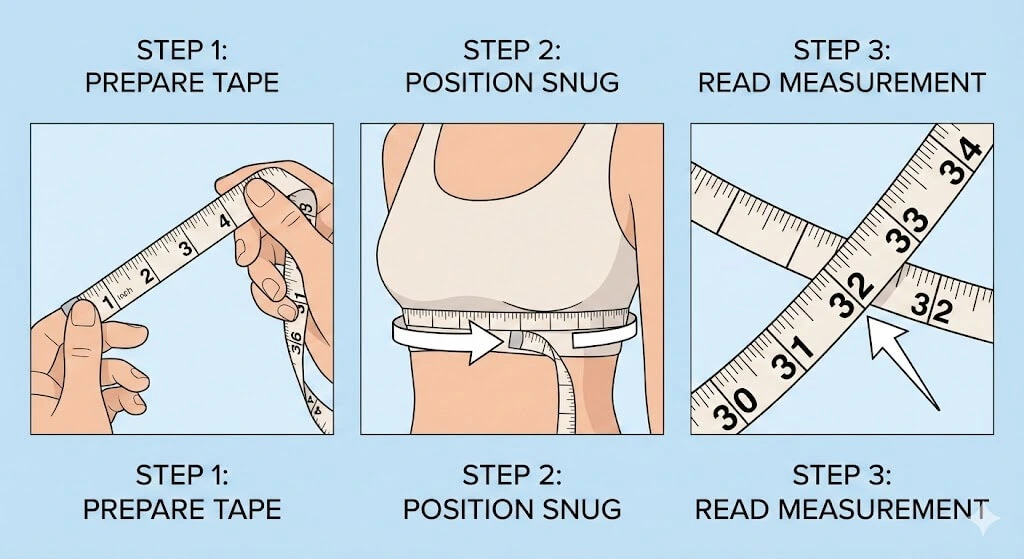
1. The Tools
Select a flexible, non-stretch tape for consistent measurements. Fabric tailor tapes are ideal; paper tapes can twist. A mirror is helpful to check if the tape sits flat and level on your back.
Wear a non-padded, non-lined bra or no bra at all to prevent additional bulk. Have a phone or notepad ready to jot down each figure immediately, so you don’t make estimates down the line.
2. The Band
Take your measurement directly under the bust where the band lies. Stand straight, exhale lightly, and then position the tape evenly around your ribcage.
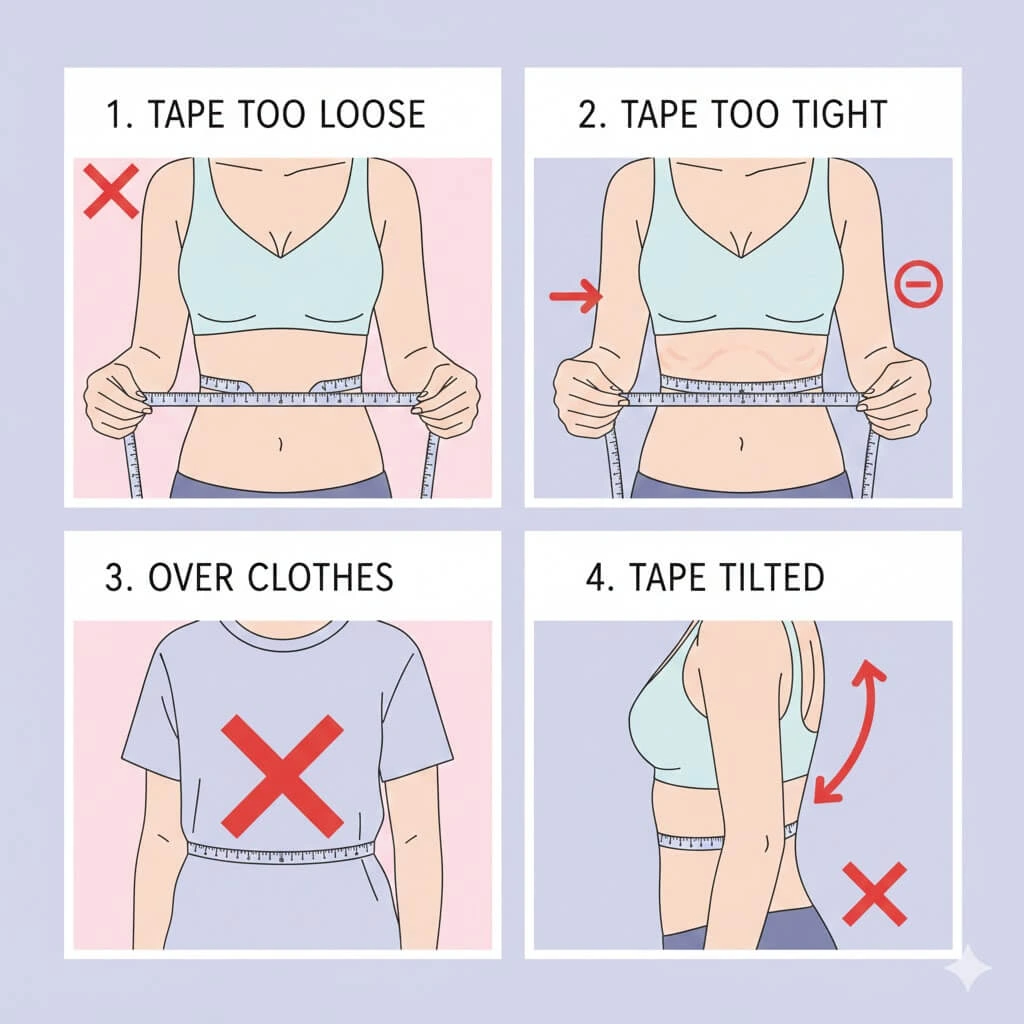
Pull tape snug so it hugs body but doesn’t dig in. Round to the nearest even number since US bands go in steps of two. For example, 73.5 centimeters is approximately 29 inches, so round to 30. If it is closer to 32, pick 32.
The band provides the majority of support, so accuracy here is more important than the cup. A loose band rides up, while a tight one distorts the cup fit and comfort.
3. The Bust
Wrap the tape around the fullest part of your chest, typically at nipple height. Keep the tape flat and parallel to the ground.
Let your arms relax at your side or briefly rest hands lightly on your hips so the tape does not lift breast tissue. Check in the mirror that you have a straight line across your back. If it tilts up, the number will run small. Note down in inches and round to the nearest inch for the next step.
4. The Calculation
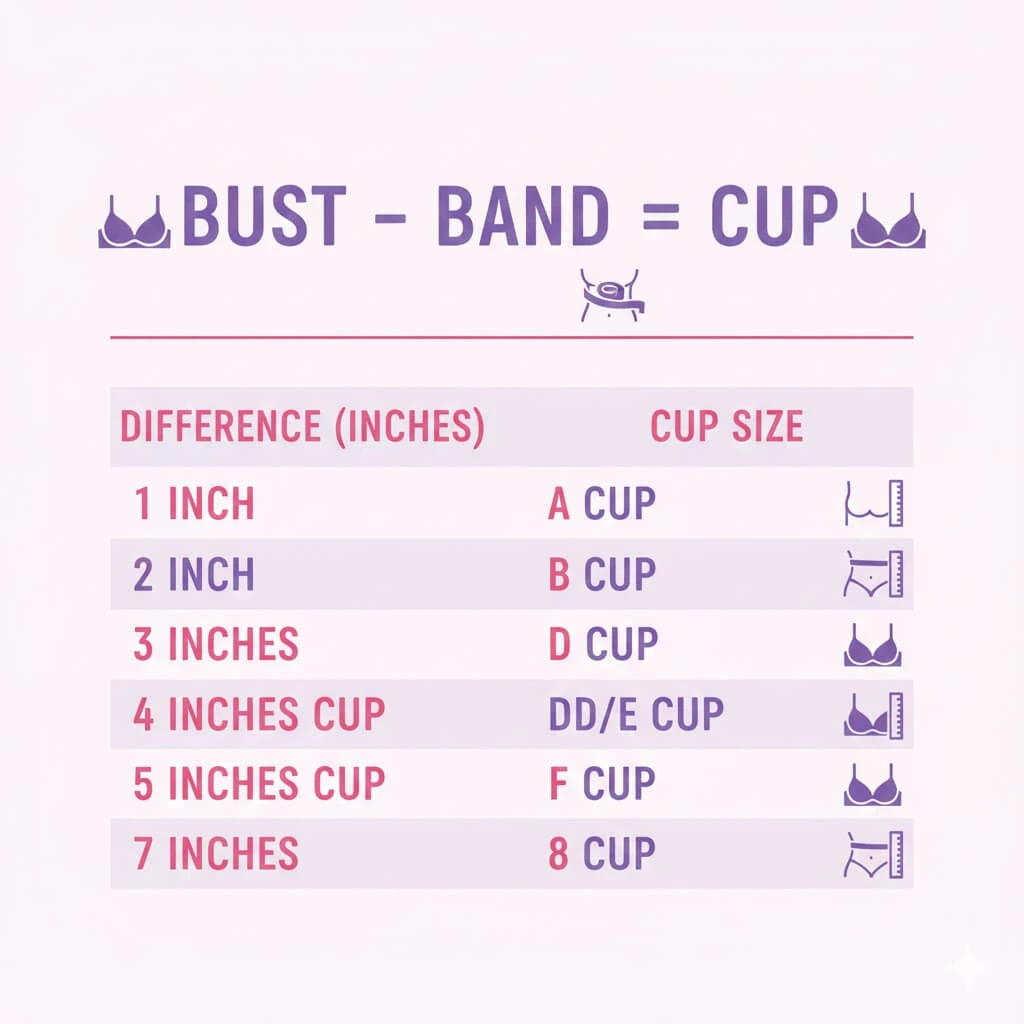
Take that number and subtract the band from the bust to get the difference in inches. Each full inch equals one cup step. One inch equals A, two inches equals B, three inches equals C, four inches equals D, five inches equals DD/E, six inches equals DDD/F, and so on.
Combine the even band with the cup letter to get the size. For instance, band 34 and bust 37 results in a 3-inch difference, therefore 34C. Check a brand’s chart to be sure, as some mark DD/E separately.
|
Band (in) |
Bust (in) |
Difference (in) |
Cup |
Size |
|---|---|---|---|---|
|
34 |
37 |
3 |
C |
34C |
5. The Common Pitfalls
Don’t measure over heavy clothes or padded cups, as it can add 2 to 4 centimeters (roughly 1 inch). Don’t yank the tape tight or let it sag.
Be careful for a crooked tape on the back. Anticipate small brand shifts. Use your numbers as a baseline, then fit-test and customize.
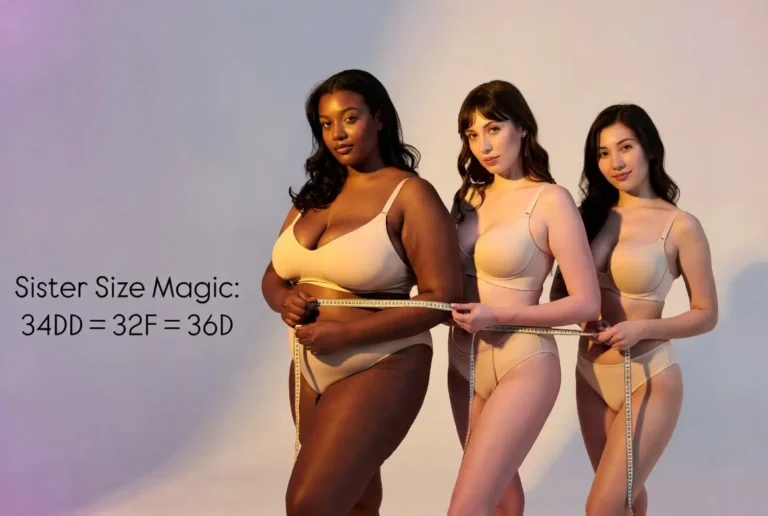
If you’re between sizes, try the bigger cup with the same band, or sister-size by shifting the band up and the cup down. For example, 34C becomes 36B.
Why Fit Matters More
Fit influences comfort, health, and the way clothes sit on your body. A bra that fits well keeps you from pain, skin rub, and long-term posture strain. It cradles breast tissue so there is less tugging on ligaments, which in turn decreases sag and chafing.
It softens lines under tops and suits, and that usually boosts confidence. The band provides approximately 80% of the support, so fit and tension are more important than most realize. Body changes with cycle shifts, hormones, or weight. Sizes change, so measure again every six months or sooner if something feels off.
Signs of Good Fit
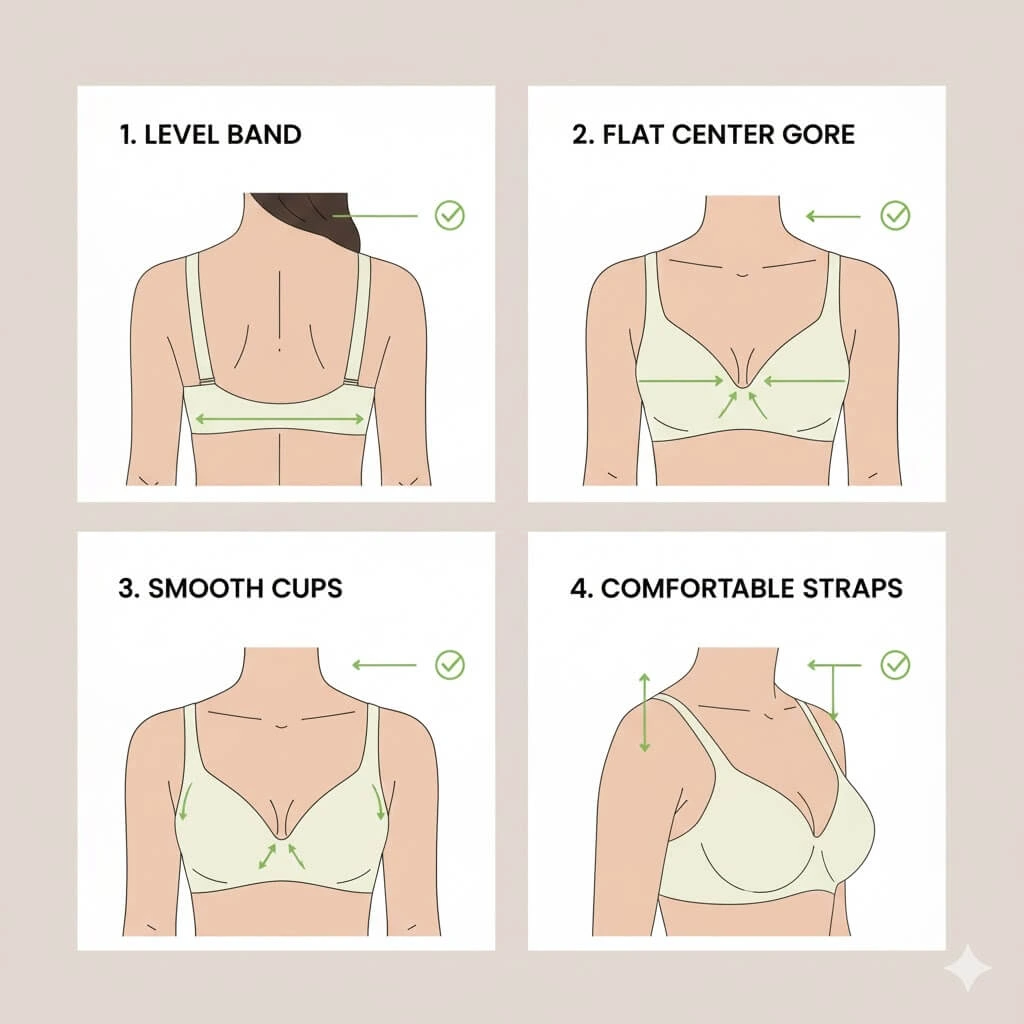
The band should lie flat around the torso, parallel to the floor, not creeping up the back. If it rides up, it is probably too loose. You want it firm, not tight, and on the loosest hook when it’s new so you can tighten it as the elastic ages.
Cups should contain all breast tissue with no gap along the top edge and no spill at sides or center. If there is wrinkling, it is too big. If there is overflow, it is too small. Scoop and press tissue from the sides into the cup to test.
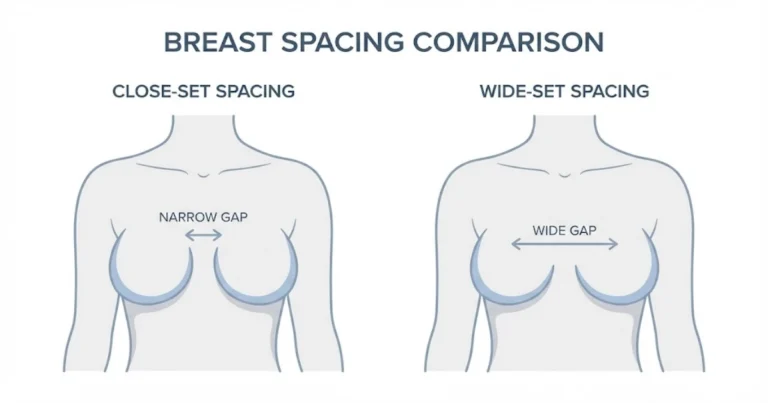
The center panel, or gore, should lay flat on the sternum in wired styles. If it floats or tips, go for a bigger cup, a smaller band or another wire shape. Two women of the same labeled size could still require different gores since we may have differently spaced or wide breast roots.
Straps hold the cup, but they shouldn’t bear the burden. Adjust them so they remain there without dents or red lines. If loosening the straps transfers pressure to the band and feels better, you’re headed in the right direction.
Signs of Poor Fit
A band that bites or marks or rides up means bad size. Deep grooves can signal that the band is too loose and that straps are over-tight to compensate. If your band moves up when you lift your arms, size down in band or try a firmer fabric.
Cup overflow, gaping, or folds show a cup mismatch. Quad-boob at the top means to go up in cup. Empty space or wrinkling means to go down. If tissue spills near the armpit, try a cup with taller sides or a style with wider wires.
Slipping straps or straps that require endless adjusting are usually an indication of a band that’s too loose or the incorrect cup volume. If your shoulders are narrow, think closer-set straps or a racerback.
Underwire poking, sitting on breast tissue, or standing away from the chest are cup or style problems. Experiment with a bigger cup, wider wire, or wire-free for sensitive skin.
Be on the lookout for red marks, bulges, or lines that indicate a bad fit that can pinch and chafe, distract, and drain comfort during your daily grind. A professional fitting does help, and re-measuring every six months keeps you in pace with body changes.
Decoding US Bra Sizes
US bra sizes are a marriage of a band number and a cup letter, and both partners need to cooperate. Band size measures the fit on your rib cage, while cup size measures the volume of your breasts relative to your band size. Understanding the ideal bra size can be tricky, as volume moves with the band, brands cut differently, and different countries use various systems.
- Band = number; cup = letter; both define size
- Cup volume changes with band size (sister sizes)
- Brand and country systems differ; cross-check charts
- Fit and comfort outrank “average” or “ideal” notions
Band and Cup System
The band is the firm part that circles your rib cage and does most of the supporting. To find your ideal bra size, take your band measurement by wrapping a tape measure above your bust, just under your arms. Round to the closest even number for your US band size.
The cup letter comes from the difference between your full bust measurements and the band. Larger measurements mean larger letters. US systems use double letters (DD, DDD), while European manufacturers tend to move single letters without doubles. For example, any 34 cup on a 34 band is the ‘true cup’ size, which aids in volume comparisons across different measurements.
Cup volume is not tied to a letter grade; it does not equal 34B in terms of cup volume; it is a 30D, which are sister sizes. Someone wearing a 32D, for example, is in fact a ‘true’ C cup by volume when mapped to the 34 baseline.
This is why a 34C and a 36C don’t have the same cup volume. The largest cup size found in most common use in the US goes as high as N, depending on the manufacturer.
Both band and cup need to be right. A firm band with perfectly contoured cups supports without any digging or gaping, ensuring a great fit for women.
Signs of Poor Fit (and Quick Solutions)
| Problem | Meaning | Fix |
|---|---|---|
| Band rides up | Band too loose | Size down band, up cup |
| Cup overflow | Cup too small | Go up one or two cups |
| Cup gaping | Cup too big | Go down a cup |
| Straps falling | Band too loose / wide-set straps | Try smaller band or close-set straps |
| Gore floating | Cup too small or band too big | Go up cup or down band |
| Underwire on breast tissue | Cup small / wire shape mismatch | Try wider wires or larger cup |
The Average Size Myth
The so-called ‘average’ US size has changed. Improved access to measuring, expanded size ranges, and higher augmentation rates all contribute. Trend lines don’t say much to an individual.
You might find 34DD referred to as average. These approximate distributions differ by age, weight fluctuations, pregnancy, and genetics. In reality, averages bunch differently by region and store.
Hunting an average fit is bad. A perfectly fitting band and just the right volume decodes strap slip, wire poke, and cup wrinkles. For transnational shopping, European tags drop double letters. Check the brand’s conversion chart!
There is no one-size-fits-all ideal. A good fitting 30D, 32C, 34B, or 36A can all be the exact same volume, just on different bands.
Your Body, Your Fit
FIT IS YOUR BODY, NOT A BRAND. Breast size, shape, and volume vary by person and by side, so the very same bust measurements can fit differently across various brands or styles. Choose bras that suit YOUR body and your daily lifestyle—work, sports, nursing, or recovery. Comfort and support trump trends or standard sizing.
Breast Shape
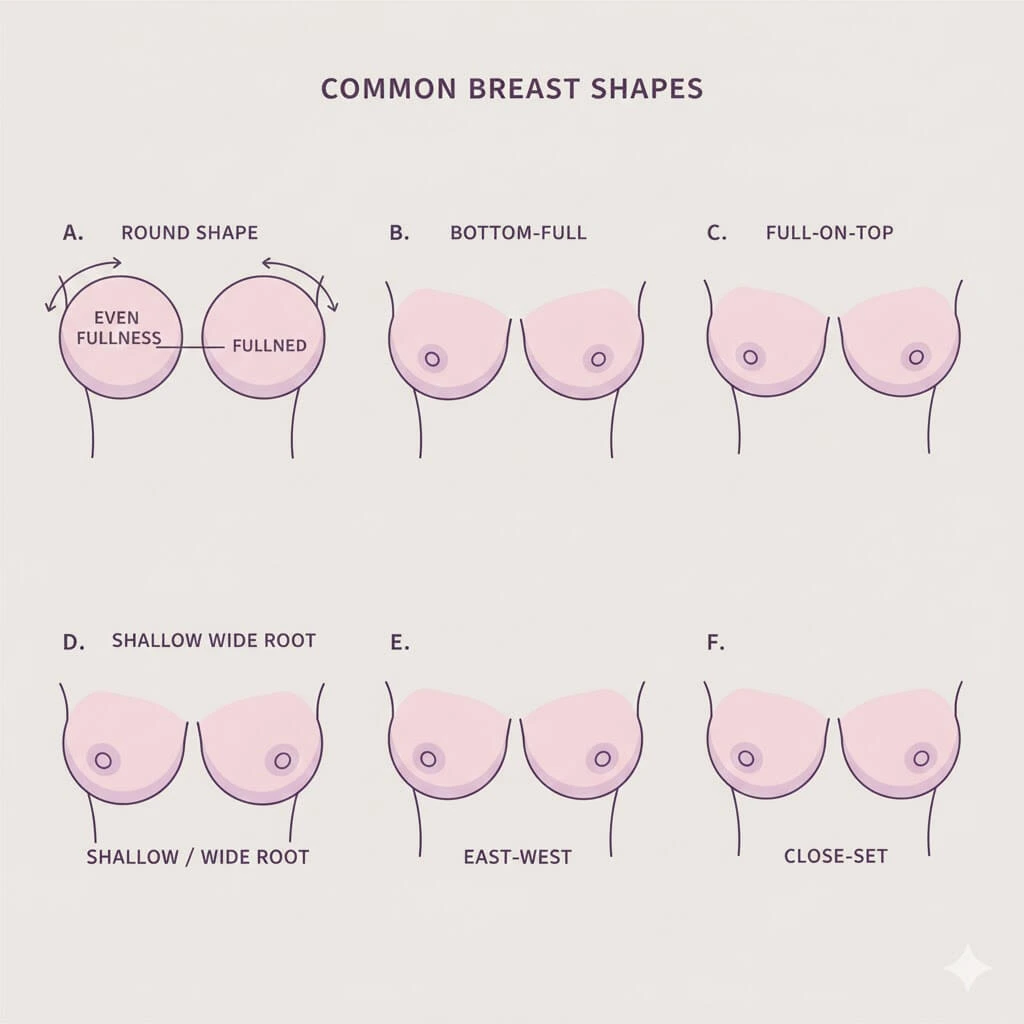
Breast shape plays a crucial role in determining the ideal bra style, influencing factors such as cup depth, wire width, and neckline. It affects where tissue sits, whether high on the chest, low, centered, or wide to the sides. If cups gape at the top, it’s likely due to an incorrect measurement; cup height may be too tall for your upper fullness. Conversely, if you spill toward the center, opting for a higher gore or more coverage can assist in achieving a better fit.
East-west drift might require a wire with a narrower arc to advance tissue effectively. Most women experience variations in their bust size, so utilizing a removable pad on the smaller side can help. As you’ll soon discover, certain styles complement specific shapes better than others.
For those seeking an ideal bra size, balconette styles lift from below and flatter even or bottom-full shapes, while plunge styles support inner fullness and work well with low necklines. Full coverage bras encapsulate soft tissue and minimize bounce for daily wear, while side support panels shift tissue inward for that front-and-center appearance.
If you’re looking for new bras that accommodate small band and large cup needs, it’s essential to seek out firm bands with multi-part cups to ensure an accurate fit. Understanding your body shape and utilizing proper bust measurements will guide you in finding the perfect undergarments.
|
Breast shape |
Typical traits |
Common fit issues |
Suggested styles |
|---|---|---|---|
|
Round |
Even fullness |
Minimal gaps |
T‑shirt, balconette |
|
Teardrop (bottom‑full) |
More volume low |
Top gaping |
Balconette, half cup |
|
Full-on-top |
More volume high |
Edge cutting |
Plunge, stretch‑lace cups |
|
East‑west |
Wide set |
Side spillage |
Side‑support, narrow wires |
|
Close‑set |
Little space at center |
Gore discomfort |
Low‑gore plunge |
|
Shallow |
Wide root, low projection |
Cup wrinkling |
Contour T‑shirt, demi |
|
Asymmetrical |
One side larger |
One‑cup gaping |
Removable pads, stretch lace |
Body Changes
Size is fluid, and various factors like weight shifts, strength training, and hormonal changes can influence band sizes and cup volume over time. Pregnancy and breastfeeding often add volume, making it essential to consider the ideal bra size that accommodates these changes. Stretchy textiles and broader shoulder straps can ease the tension, ensuring a comfortable fit.
For high-impact sports, encapsulation sports bras with firm bands are recommended. In contrast, for low-impact activities, compression styles might suffice. After surgeries such as augmentation or reconstruction, it’s crucial to seek medical advice before choosing the right undergarments.
Regularly re-measure your bust size using a tape measure to ensure an accurate number, ideally at least twice a year or after significant changes like a 5 to 7 kg weight shift. This helps maintain an accurate sense of your size and fit.
Pay attention to fit signs: if the band rides up, straps dig in, or cups spill, it may be time to reassess your size measurements. Having a range of sizes in your drawer can accommodate seasonal or cycle-related changes, ensuring a great fit.
Finally, rotating between different types of bras—sports, everyday, and lounge—can help extend the elastic lifespan, allowing for a more comfortable experience as your body continues to change.
US vs UK vs EU Bra Size Conversion Chart
| US | UK | EU | FR/ES | AUS |
|---|---|---|---|---|
| 32B | 32B | 70B | 85B | 10B |
| 32C | 32C | 70C | 85C | 10C |
| 32D | 32D | 70D | 85D | 10D |
| 32DD(E) | 32DD | 70E | 85E | 10DD |
| 32DDD(F) | 32E | 70F | 85F | 10E |
| 32G | 32F | 70G | 85G | 10F |
✔ UK has single letters
✔ US uses double letters (DD, DDD)
✔ EU uses number = band + 15 (approx.)
Unlocking Sister Sizing
Sister sizing is finding the nearest size that has the same cup volume but a different band. It’s a handy guide for when your normal size is almost right, or a style or brand runs snug or loose.
Sister sizing maintains cup volume but changes the band. Go one band size up and one cup size down, or one band size down and one cup size up. For example, 80C equals 75D and 85B (metric band in centimeters). Unlocking Sister Sizing For US bands, that translates to 36C is approximately 34D and 36C is approximately 38B. This works because cup letters measure volume in relation to the band.
One step each way maintains the breast volume approximately the same, so the cup shouldn’t feel smaller or larger, only the band tension. When your band is off but cups look right, use sister sizing. If the band rides up or you need to hook it on the tightest setting day 1, go down a band and up a cup. For example, change from 80C to 75D.
If the band is tight or leaves indentations, then sister size up one band and down one cup, changing from 80C to 85B. Be within a step. Going two or more steps alters both support and wire width too much and can cause gaping or pressure.
See a sister size chart to zip across labels and brands. Many charts list linear moves: 70F equals 75E, 80D, and 85C. It comes in handy when your size is sold out, when you cross-shop countries, or when a brand’s bands run firm or soft. Charts are guidelines, not dictums. Experience firsthand band grip, cup fill, wire lay, and strap tension.
Now, let’s take sister sizing for style changes. A plunge with narrow wires might require a different sister than a full coverage bra with wider wires. Padding, stretch lace, and side panels alter fit even in the same brand.
Switching from a compressive sports bra to an everyday T-shirt bra? Anticipate new band tension and take the closest sister if comfort wanders. Fabric counts as well. Breathable, soft knits tend to wear better through a long day, whereas stiff fabrics may require a looser band in equal cup volume.
Breast Root Width & Projection (Important for Fit)
Root Width
- Narrow root → needs narrow, deeper wires (plunge, half-cup).
- Wide root → needs wide wires (T-shirt, demi).
Projection
- Projected breasts → require deeper cups.
- Shallow breasts → need open, shallow cups.
Knowing your root and projection helps prevent:
Gore not tacking
Wire poking
Empty cups
Side spillage
The Myth of a “Forever Size”
There is no such thing as a ‘forever size’. Bodies evolve with age, hormones, stress, weight gain, weight loss, athletic pursuits, and overall health. Fabric gives. A size that worked last year may not work today, even if the tag has the same numbers. This leads to significant issues women face regarding their ideal bra size.
Surrender to the illusion of a ‘forever size’. The ‘forever size’ they’re talking about is usually a product of generic beauty myths which claim you can maintain a shape indefinitely. Studies on weight set point tell us the body likes to defend a band of mass. Large, long-term shifts are difficult to maintain.
This means band and cup needs can shift as weight fluctuates within the normal range. Most people experience seasonal or life-stage swings of a few kilos, which can move you from a 75C to a 75D or a 70D. This is natural, not a fluke. Genetics, work patterns, access to health care, or fit help factor in, so the single-size ideal is too reductive to really capture the complex reality of different measurements.
Reassess your measurements and fit every 6 to 12 months for optimal support. Take a soft tape measure, measure snug underbust in centimeters for the band, measure bust at the fullest point while standing and leaning forward, and note the largest. Convert to your local size system as appropriate and try sister sizes if the band or cup seem off.
A band that rides up, straps that dig, cup wrinkles, or wires on tissue are obvious indicators to re-fit. I would suggest trying two band sizes and two adjacent cup sizes to verify. If you train more, change hormones, or hit another climate, check earlier, as sweat and heat can alter fit and stretch.
Swap any ill-fitting bras that may not have adapted to natural body changes or fabric stretch. Even a good bra loses its rebound after 6 to 12 months of regular wear. On the myth of a ‘forever size’, if hooks take the tightest eye immediately or the center gore pops up, it’s time for a new size or a new model.
Maintain an index card on every bra with the purchase date, frequency of wear, and fit observations to identify trends. Release the myth of a ‘forever size.’ The ‘forever size’ narrative can nourish low self-esteem and propel destructive behaviors.
A healthier alternative is fit that honors your body in the moment. Shoot for comfort, lift, and solid support, then tweak as life fluctuates to ensure you find the ideal bra for your unique shape.
Conclusion
To get a bra that fits, begin with straightforward measures and easy tests. A soft tape, a mirror, and good light are a long way. Match band, cup, and style to your shape, not the tag. US sizing can seem tidy, but it varies by manufacturer and style. Sister sizes close gaps. If a 34D is too tight in the band, try a 36C. If cups wrinkle, drop a cup. If straps dig, lift the band, then resize.
Real life moves, so does size. Weight change, cycle, heat or sport can all alter fit. Maintain notes. Experiment with new styles. For example, measure today, then try two sister sizes. Choose three styles that you like. Shift, inhale, rest. Hold on to the one that fits. About bra size measurement in the USA. Consult and assistance.
Frequently Asked Questions
How do I measure my bra size at home?
To determine the ideal bra size, apply a soft tape measure to measure snugly under the band size and loosely over the fullest bust for accurate bust measurements. In the US system, the cup size is calculated by subtracting the band size from the bust size in inches, with one inch equating to A and two inches to B.
What is the difference between US and UK bra sizes?
Bands are alike, but cup sizes show significant variation after D. The US often uses letter grades like DD, DDD/F, G, and H, while the UK employs DD, E, F, FF, and G. To find your ideal bra size, consult a trustworthy size chart and consider separate measurements for accurate fit.
Why does a proper fit matter more than the number?
A proper fit, determined by accurate measurements like bust size and underband, bolsters posture, lowers shoulder and back tension, and enhances shape beneath clothing. Comfort breeds confidence.
How do I know if my band size is correct?
The band should be snug on the loosest hook and level around your torso, without riding up. You should be able to fit two fingers under the band; if it slides or digs, consider adjusting your ideal bra size based on accurate measurements.
What is “sister sizing” and how do I use it?
Sister sizes have the same cup volume but differ in band sizes, which is a crucial aspect of achieving the ideal bra fit. If the band is tight, increase the band size and decrease the cup size; for instance, a 34D becomes a 36C. Conversely, if the band is loose, drop a band size and increase the cup, such as changing a 34D to a 32DD. This adjustment ensures an accurate sense of fit without altering the overall volume.
How often should I re-measure my bra size?
Re-measurement every 6 to 12 months or after weight, hormone, or lifestyle changes ensures an accurate sense of support and comfort for women.
Why do my size and fit vary across brands?
Each company has different manufacturing, materials, and size charts, leading to significant issues with standard sizing. Styles vary in coverage and shaping, so consult each brand’s chart and experiment with several size measurements within your sister-size spectrum.