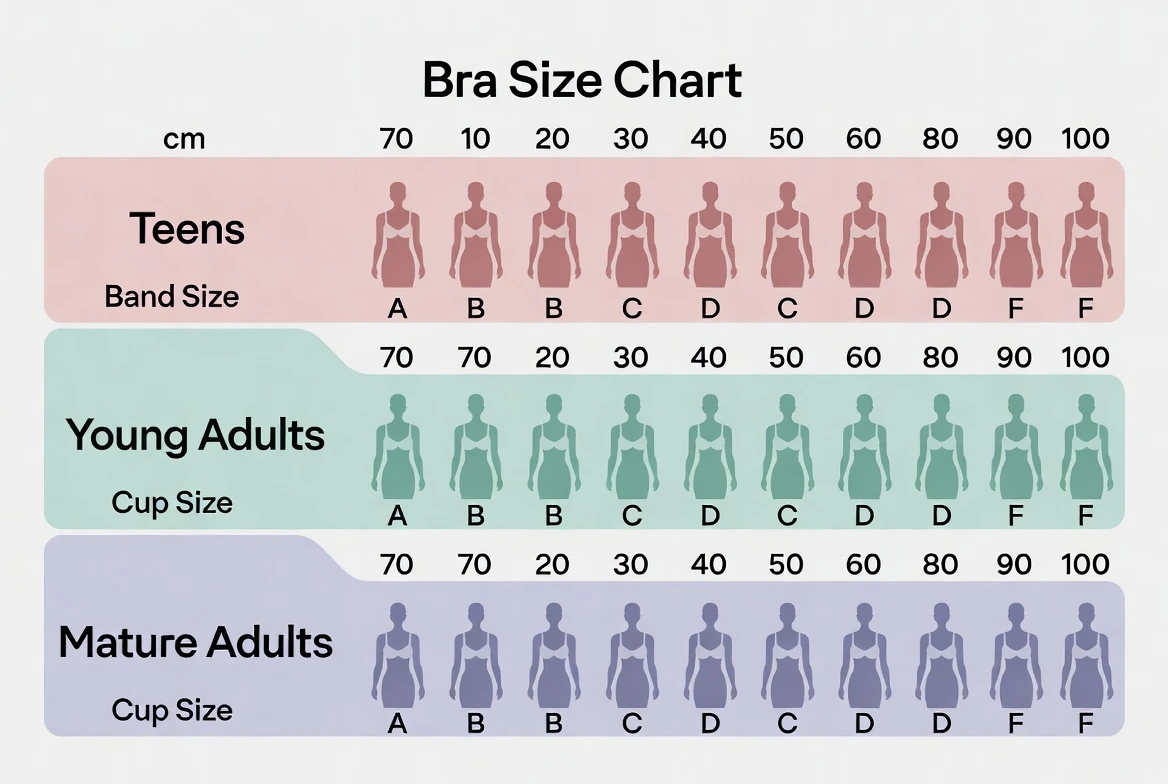
Bra size chart by age with pictures details how band and cup fit can change from early teens to midlife and beyond.
It includes vivid photos of development, typical fit transitions, and measuring at home with a t-shirt in centimeters.
Key notes address puberty timing, postpartum changes, weight swings, and menopause effects.
Straightforward advice flags indicators of bad fit and when to re-measure.
In-depth charts, photos, and step-by-step sizing assistance follow this.
How to Measure Bra Size
Accurate bra sizing begins with a soft, flexible tape measure and two key measurements: the underbust (band) and the fullest bust measurement. Note in centimeters for world bra size charts or in inches if that is what the chart requires. Use a good bra size chart as a baseline before you shop, then verify with new measurements for the perfect bra fit.
1. The Tools
Use a soft, flexible measuring tape that naturally conforms to your body. Stiff tapes create gaps that result in measurement errors. Inspect your measuring tape for stretch or warping. Any give can adjust the result by a size.
Stand in front of a full-length mirror so you can keep the tape level and parallel to the floor. Put on a non-padded bra or tight tank so breast shape is neutral. Have a notepad or phone handy and record every number immediately with units (cm or in). This avoids confusion when you enter measurements on a bra size chart that could be US, EU, or UK standards.
2. Band Measurement
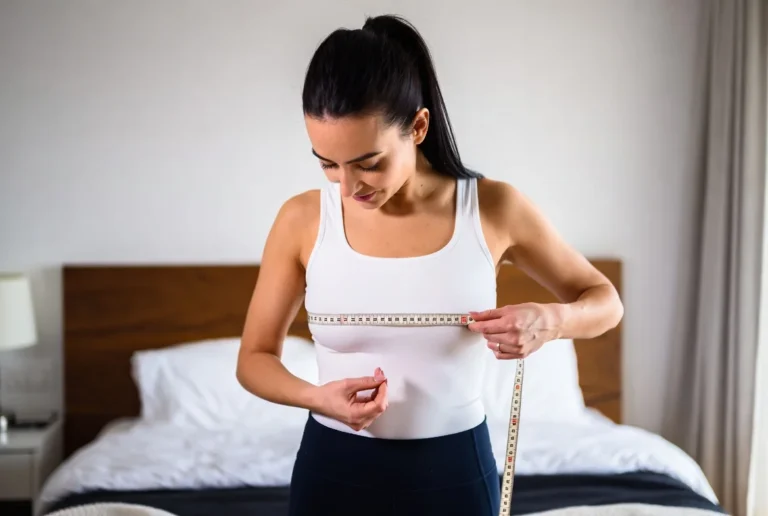
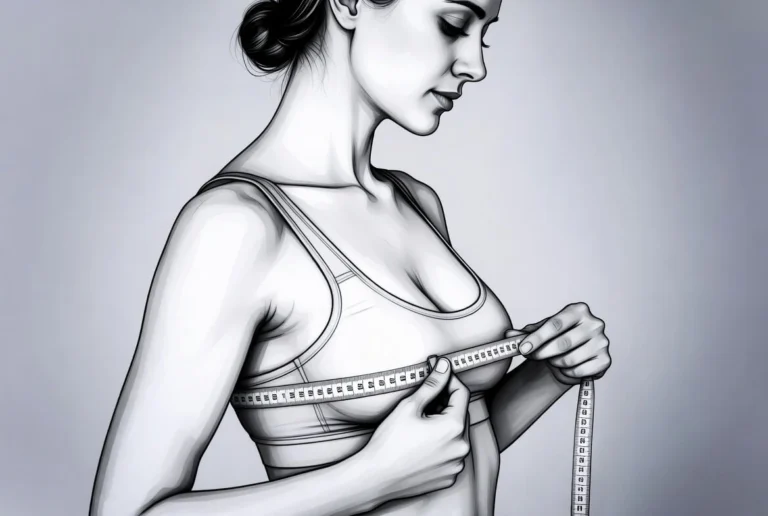
Wrap the tape snuggly around the ribcage, just under the bust and around the back. Keep it straight, parallel, and level in the mirror. It should feel firm but shouldn’t dig. You should still be able to breathe.
This figure determines the band size, for example, 70 or 75 in EU and 32 or 34 in US. Round to the nearest whole number for standard bands. Be accurate because 1 cm or 0.5 in can make a difference in your final size.
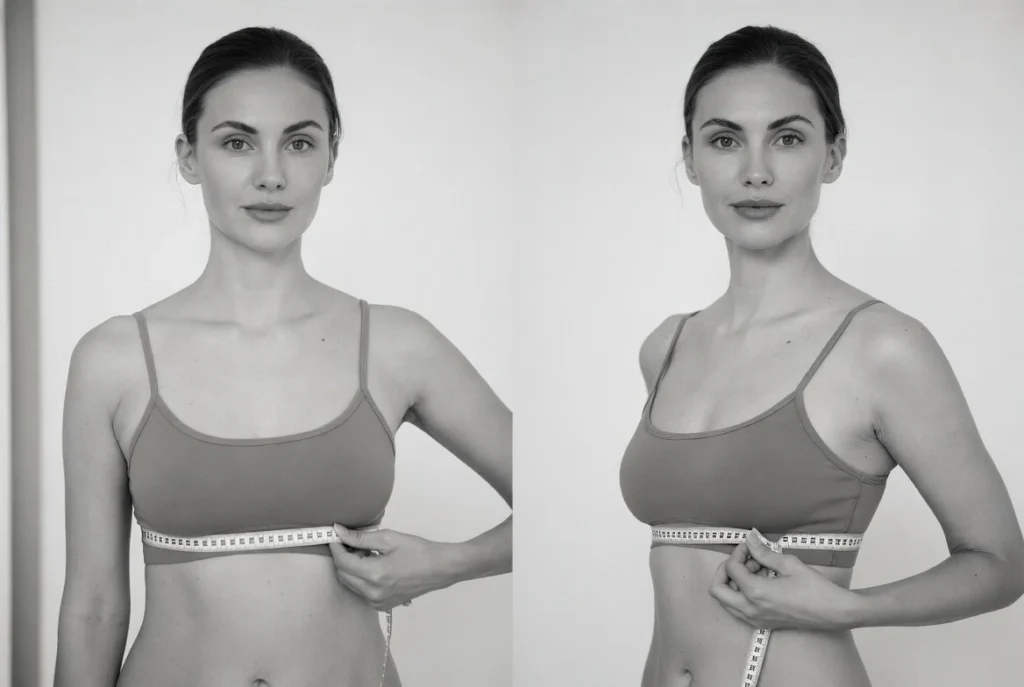
3. Bust Measurement
Take the measurement around the fullest part of the breasts, keeping your arms relaxed at your sides and your shoulders down. Be sure the tape is straight across the back and is not digging into tissue.
Don’t squash. Pressing too hard underestimates cup volume. For more full or projected shapes, a second pass while leaning forward slightly can verify the largest true bust number. This measurement, compared to your band, determines cup size, which goes from A to N and gets more voluminous with each letter.
4. The Calculation
Subtract band from bust to find cup difference. In inches, 1 equals A, 2 equals B, 3 equals C, 4 equals D, 5 equals DD/E, 6 equals DDD/F, 7 equals G, and 8 equals H. In centimeters, most charts indicate about 2.5 cm per cup increment.
Band number plus cup letter equals bra size, such as 34B or 75C. Brands and countries, like the US, UK, and EU, vary widely, so always double check against the brand’s own chart to prevent mismatch.
5. The Fit Check
Test the size. Begin with the band on the loosest hook. It should lie level and firm without riding up. Cups should hold tissue with no top gaping or side spillage.
Raise arms, bend and twist; the bra should remain in place. Pull the straps to take out slack, but not so hard that they dent your shoulders. If the band feels loose, go down a band and up a cup. If the cups pucker, go down a cup.
Accuracy counts, and minor adjustments can alter the outcome.
Visual Bra Size Chart by Age
Visual bra size chart by age provides quick context. It’s a guide, not a law. Size fluctuates with weight gain or loss, hormones, and aging. Shape and breast density affect fit, so pair this chart with regular fittings.
Age-segmented overview (metric band measures):
- Teens (approx. 12–17): bands 60–75 cm; cups AA–C
- Young adults (18–29): bands 65–85 cm; cups A–F
- Mature adults (30+): bands 70–95 cm; cups B–H
| Age group | Common band (cm) | Common cups | Avg bust (cm) | Avg band (cm) |
|---|---|---|---|---|
| Teens | 60–75 | AA–C | 76–90 | 63–73 |
| Young adults | 65–85 | A–F | 82–102 | 68–83 |
| Mature adults | 70–95 | B–H | 88–112 | 73–93 |
Note: No single chart fits all bodies. Cycle-related water retention can vary a cup or two in size.
Teen Years
Teen size chart (typical range):
- Bands: 60–75 cm (28–34)
- Cups: AA–C
- Common sets: 28AA to 34B, 30A to 32C
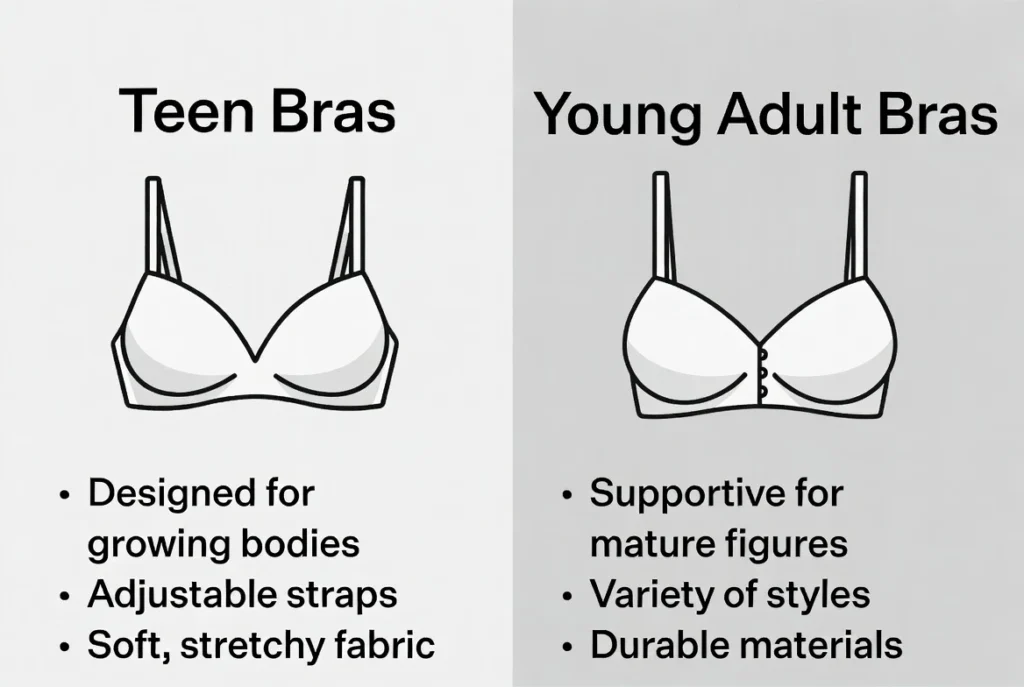
Visual cues to look for in pictures include training bras with soft, wire-free cups, pull-on style sports bras with wide straps, and their first lightly lined bras with stretchy wings.
It doesn’t grow in a straight line. Cup and band can change fast through early and mid-teens. Anticipate month-to-month shifts with puberty and sports load.
Focus on soft fabrics, elastic bands that lay flat, and space to expand. Fit checks include a snug band on the last hook, straps that do not dig, and cups that lie smooth with no gaping or spill.
Young Adulthood
Typical chart: 65–85 cm bands (30–38), cups A–F, with many wearing 30A to 38D as a starting scan, not a limit.
Styles seen in images include lightly padded T-shirt bras for smooth lines, bralettes for lounge or low-impact days, and underwire bras for lift with firmer support.
Most settle into a more stable size by late teens to early twenties, though fluctuations still occur with training cycles, weight loss or gain, birth control, or the menstrual cycle. Just re-measure each season.
Match support to the day: a plunge for deep necklines, a sports bra for high-impact workouts, and a spacer-cup T-shirt bra for daily wear. Rotate bras to preserve elasticity and fit.
Mature Adulthood
Chart guide: bands 70 to 95 cm (32 to 42), cups B to H, including extended sizes for broader frames or fuller busts. Average bust and band tend to get larger with age.
Picture-led options include full-coverage and balcony styles for shape. Supportive underwire comes with side panels. Specialty bras, such as minimizers or post-surgery bras, are designed for comfort and specific needs.
Bruising, pregnancy, nursing, peri-menopause, and medications may change volume and density. These changes do not just affect the number on the tag but cup depth and wire width.
A lot of ladies wear the wrong size and experience pain, shoulder grooves, or back strain. Get fitted every 6 to 12 months. Try new silhouettes, tweak band tightness, and re-test strap set to maintain lift and comfort.
Why Average Bra Size Varies
Average bra size changes depending on genetics, hormones, and lifestyle, making it essential to consult a bra size chart for an accurate measurement. Age, weight, and life stages affect both bust and band fit. Understanding these variations helps you achieve the perfect bra fit and a consistent fit at any age.
Puberty
Breast growth surges in early to mid-teens, and both cup and band can change rapidly as the rib cage grows and glandular tissue forms. During this phase, using a bra size chart can help ensure you find the perfect fit, as breasts can shift in shape as much as 20 percent per month. Therefore, fit from week to week can feel off, particularly around one’s menstrual cycle.
Parents and teens should prepare for constant size adjustments! It’s important to re-measure every few months or sooner if straps dig, the band rides up, or cups gap. Using a bra size calculator can help identify the right bra size. Both asymmetry and soreness are common, and about 25% experience visible, ongoing asymmetry, with some having large size gaps that remain.
For comfort, go with training bras or soft cup bras that offer low stretch. Opt for wide bands, smooth seams, and airflow fabrics for comfy daily changes, ensuring the ideal bra size is achieved for everyday wear.
Pregnancy
Pregnancy can cause significant bust and band increases during pregnancy from hormonal changes, increased blood flow, and milk duct development. Cup sizes can leap a few letters through late pregnancy and nursing and then settle.
Opt for maternity bras with a stretch band, soft moisture-wicking fabric, and flexible cups. Front-adjustable straps and multiple hook columns accommodate daily fluctuations. Take a measurement at least once per trimester and again postpartum.
Fit can swing with water retention, feeding schedule, and body recovery, so anticipate a couple sizes worth of wiggle room. Remember that average changes are influenced by genetics, diet, and ethnicity. Some may require custom solutions if size differences become severe or persistent.
Menopause
Menopause may decrease tissue density and shift shape as estrogen drops. Fluctuations in weight could expand or shrink overall breast size. Month-to-month swings of as much as 20% can resurface, recalling puberty.
Move to bras with firm bands, supportive wings, and gentler linings. Spacer foam, wide straps, and smooth edges aid sensitive skin. They can change with hormone treatments or new fitness and eating habits. Few come down in size, some add volume. Regular fit checks save you pain.
Our labels may differ from those of other brands and countries, and measurement techniques vary, so verify survival by touch and support, not just tag.
Weight Changes
Gains or losses in both band and cup sizes can be influenced by changes in breast tissue, which consists of fat and glandular components. To ensure a perfect fit, it’s essential to update your bra size following a 5 to 7 kg bodyweight shift or any training modifications that impact body composition. Utilize a bra size chart to measure bust and underbust again, comparing measurements across different brands for the best results.
When trying on new bras, experiment with various styles to complement your new proportions: opt for full-cup bras for upper fullness, plunge styles for center fullness, or minimizers for a broader distribution. Keep in mind that brands often use inconsistent labels, so it’s wise to explore several sizes to find your ideal fit.
Genetics and certain medical conditions can also lead to fluctuations in size over the years. For those experiencing significant asymmetry, seeking made-to-order bras may be necessary. A professional bra fitting can help you navigate these fitting issues and ensure you find the right bra size for your unique shape.
Are Teen Bra Sizes Different?

Teen bra sizes follow the same fundamental math as adult sizes, but fitting issues can arise due to differences in brands. Some brands use youth-oriented ranges, starting from smaller bands of 60 to 75 cm and cups from AA and up, while adult lines vary widely. This can make finding the perfect bra fit challenging. Utilizing a good bra size chart and understanding how to measure accurately is crucial for achieving the right fit, especially when navigating different size classifications like XS to L or ‘A to C’ for starter styles.
Confirm that teen bra sizes often start smaller and use different sizing conventions than adult bras.
Teen sizes typically start with smaller bands and lighter cups, with standard offerings like 28 to 32 bands and AA to B cups. Average sizes differ by location and manufacturer, but you might encounter 32B or 34C as ‘standard’ for teens elsewhere. Cup letters track the difference between bust and band, which is about 2.5 cm per step (A, B, C, and so on).
Most teen bands are even numbers, so if your measured band is odd, it is usually rounded up to the next even number. Since growth is uneven, charts are guidelines, not commandments.
Explain that teen bras prioritize comfort, flexibility, and gentle support for developing bodies.
Designs center on soft fabrics, stretch bands, and light linings to flex with change week to week. Wider underbands, smooth seams, and breathable cups minimize chafing and assist with sensitive skin. Stretchy fits count for sports or those long school days; imagine soft cotton, microfiber, or a light spacer foam.
Shape shifts are natural. Genetics, body type, and developmental stage all play a part. Remember that one breast is often a little larger than the other, so choose the size that accommodates the fuller one and tighten the straps on the smaller side.
Highlight the use of training bras and bralettes as common first choices for teens.
Training bras and bralettes provide gentle support with no wires, perfect for those first buds—sometimes beginning as early as 8. Other girls won’t need one until they’re 14. These styles are available in basic sizes (XS–L) and can transition into cup and band sizing down the road.
For sports, a pullover sports bralette with a firm band helps minimize bounce. For everyday wear, a lined bralette softens the silhouette underneath uniforms or tops. Cup sizes can range from AA to E or beyond; requirements are very different.
Stress the importance of regular measurement as teens’ bust and band sizes change quickly.
Measure every 3 to 6 months or at any fit concern. Use a soft tape in centimeters: snug underbust for band and full bust over the fullest point for cup. Round the band to an even number if necessary, then correlate the bust band difference to a cup letter.
Brace for swings throughout a school year. Growth spurts, weight shifts, and activity can alter fit. If the ‘normal’ charts don’t work, see if there’s a ‘sister size’ or find a fitter. The teen body doesn’t always fit into those strict charts.
Beyond the Tape Measure
Band and bust numbers are a beginning, not the end. Ideal size relies on three measurements: the bust, under-bust, and cup, along with breast shape, tissue density, and comfort. Band measurement and cup volume are the key components. Each cup letter moves up approximately 2.5 cm (1 inch) of difference between bust and under-bust, with sizes from A to N.
Bands typically begin at 30 and then go in twos. Fit differs by brand and even within Europe’s systems, so double check charts. Bands stretch with use, begin on the loosest hook and move inward with time. A good fit sits level across the back. You should slide two fingers under the band at the middle hooks.
Breast Shape
Popular shapes are round, teardrop, and asymmetrical. Shape shifts the way cups sit, so one size can fit wildly different between styles and brands.
When it comes to round shapes, equally distributed tissue fills cups evenly, which means balconette or T-shirt bras provide a nice smooth line. Teardrops have more fullness at the bottom. Plunge or half-cups lift and center without gaping. If one side is smaller, removable inserts or stretch-lace cups even the look. Full coverage works great for soft upper tissue to minimize edge gaps.
Shape fuels problems such as cup gaping, spillage at the gore, or straps digging in. Experiment with different wire widths and gore heights. A broad wire can accommodate flat roots. A narrow wire can conform to protruding tissue.
Test with a tee: sit, raise arms, and bend—watch for shifting or overflow. So anticipate testing multiple cuts before the match clicks versus a balconette in the same size, where gaps show. If the band is correct but the top edge flutters, experiment with a plunge style using a softer cup edge.
Tissue Density
Dense tissue is like a dense cake. It feels firm and maintains shape and typically requires additional structure. Seek out underwire with stiff side panels or three-part cups that lift without bulk.
Softer tissue appreciates molded or lightly padded cups that help add shape and eliminate creasing. Spacer fabric may preserve that natural aesthetic with breathability as well.
Density changes with age, hormones, pregnancy, or weight fluctuations. Revisit every six to twelve months or after body changes. Modify support amount as firmness changes.
Switch between lined and unlined cups, or interchange wire width and strap placement while maintaining lift and comfort.
Sister Sizing
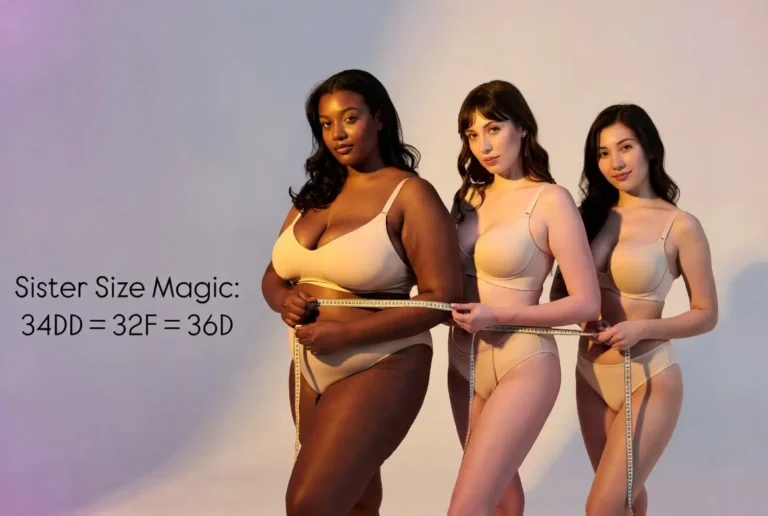
Sister sizing uses different band-cup pairs to maintain similar cup volume. For example, 34B, 32C, and 36A are equivalent. It’s a life saver when the cup fits but the band doesn’t, or vice versa.
Use a sister size chart to pivot: down a band, up a cup; up a band, down a cup. If 34C rides up your back, go for 32D. If 34C is too close to the ribs, taste 36B.
Double check it both times. The band should rest solid and flat. The cup should not gape or spill when it encloses tissue. Re-test movement: lift arms, twist, breathe deep.
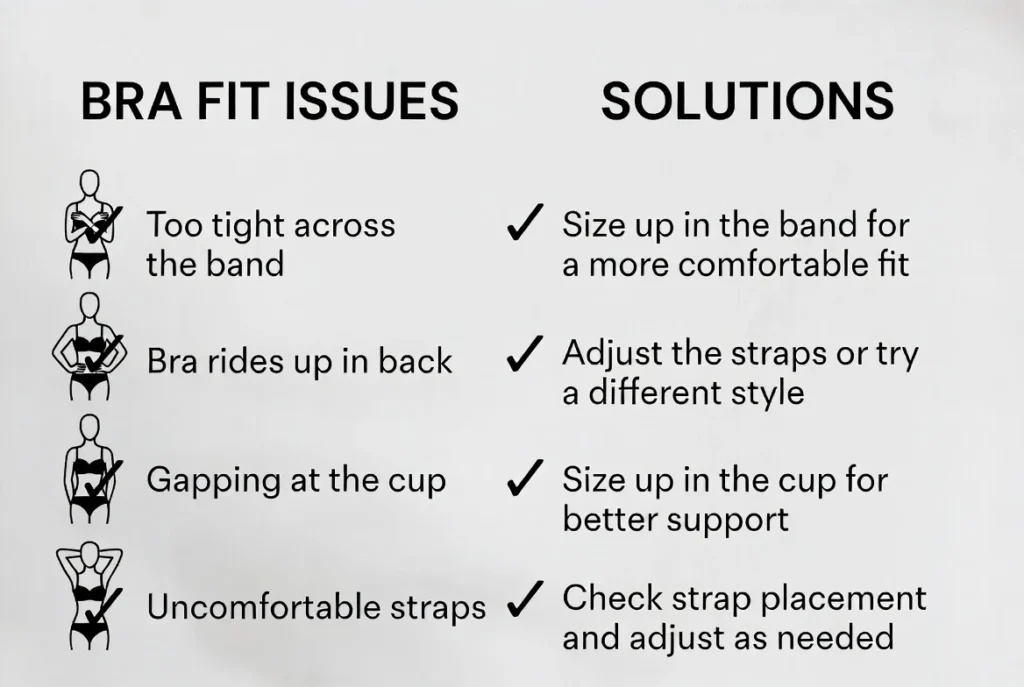
Common Fitting Problems Illustrated
Age sizing is just a starting point. Fit is about band size, cup size, and breast shape.
Benefits of a Right Bra Fit It increases comfort, support, and a smooth appearance under your clothing. With the checks and visuals below, you will be able to catch problems early and select styles that complement your shape and requirements.
Checklist: Spot Issues Fast
- Band rides up the back: The band is too loose. Two fingers should slip under the band, not more. A tight band provides the vast majority of support.
- Straps dig or slip: Straps that dig or slip mean the band isn’t doing its job, or straps are set too long or short. Fit issues, for example, try adjusting first and then reassessing band size.
- Gore lifts off the chest: The center panel should lie flat. A flat gore indicates a great fit. Gaping suggests the cup is too small, too shallow, or the style isn’t a match for your shape.
- Cup overflow or “double boob”: Common with demi cuts. Try a larger cup, a full-coverage style, or a cup with more depth at the top.
- Cup gaping at the top or sides: Cup too large or shape mismatch. Go for a smaller cup, a plunge or balconette, or a tall and shallow style.
- No lift or shape: Size or style mismatch. Think firmer bands, alternative wire width, or molded versus unlined cups, depending on shape.
- Wire pokes or sits on tissue: Cup too small or too narrow. Go up in cup or try wider wires.
- Center droop or east–west spread: Look for side support panels, inner slings, or a T-shirt bra with centered straps.
Problem–Cause–Solution Reference
| Problem | Likely cause | Recommended fix |
|---|---|---|
| Band rides up | Band too loose | Down one band, keep cup volume (sister size) |
| Straps dig/slip | Band not firm; strap length off | Tighten straps; down a band; choose closer‑set straps |
| Gore not flat | Cup too small/shallow; shape mismatch | Up a cup; try plunge/balconette per shape |
| “Double boob” | Cup too small; demi cut height | Up a cup; switch to full coverage or higher gore |
| Gaping cup | Cup too big; shallow/tall roots | Down a cup; try plunge or molded T‑shirt |
| No lift/shape | Weak band; wrong cup style | Firmer band; molded or 3‑part cup; side support |
| Wire poking | Narrow cup; cup small | Wider wire brand; up a cup |
| Side spill | Cup narrow/shallow | Up a cup; side‑support or stretch lace |
Quick Fit Tests Before You Buy
- Band test: Exhale, close on the loosest hook. Slide two fingers under the band alone. If three fit, wear tighter.
- Jump and reach test: Raise arms and bend. If the band moves or cups leak, adjust size or design.
- Gore press: Press the center panel. If it won’t sit flat, the size or shape is off.
- Scoop and sweep: Lean forward, scoop all tissue into cups. Recheck overflow or gaps.
- Strap set: Tighten until straps lie flat without dents. If they still weigh them, reduce band size.
Use Guides and Pictures to Match Shape
Breast shapes vary, including constricted or tubular, swooping, small, large, or sagging. Use annotated photos to compare where you spill or gape, then pair styles.
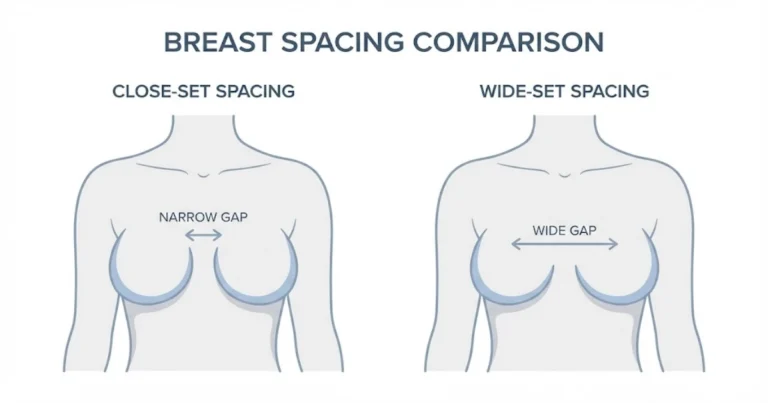
Plunges work for close-set or full on bottom, balconettes provide round lift, stretch lace suits uneven or soft tissue, and wider wires accommodate wide-root shapes.
Snap a pic of a flat gore, smooth cup edge, level band, and centered nipple line to help you confirm true fit across sizes and ages.
Conclusion
Bra fit changes with growth, weight shifts, and hormone swings. Bodies bounce. Sizes change. A good fit today may not be the same next year. Simple steps help a lot: measure often, check the band snug, center the wire, and smooth the cup. Take the age chart as a guideline, not gospel. Teens may require soft cups or light wire. Adults can trade styles throughout the month. Photos and fit notes provide quick, trustworthy checks.
Key takeaways:
- Re-measure every 6–12 months
- Fit by band first, then cup
- Try two sister sizes to confirm
- Move and bend to test hold and lift
Looking for a next step? Snag a flexible tape, get new numbers in centimeters, compare to the chart, then test drive two styles in your bracket. Leave questions or wins below!
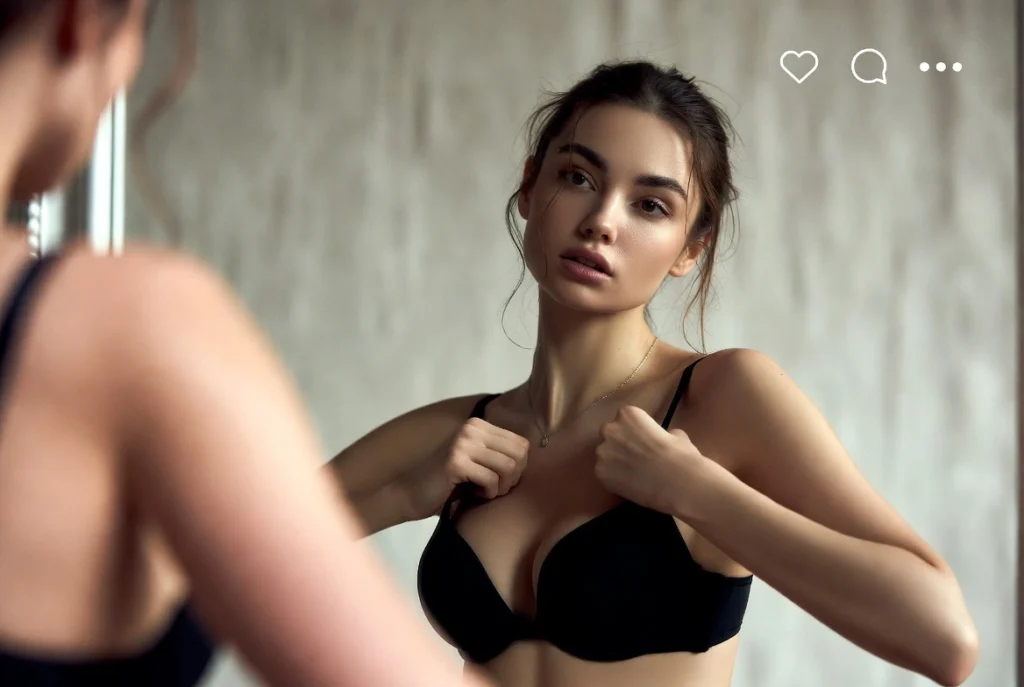
Frequently Asked Questions
Is there a standard bra size chart by age?
There is no such thing as a one-size-fits-all bra size chart. Breast development and body shape vary at each age, making accurate bra measurement crucial. Use a bra size calculator based on the user’s measurements with clear bra size chart pictures. Re-measure every 6 to 12 months or after weight, hormone, or training fluctuations to ensure the perfect bra fit, as fit and comfort are important, not age-based charts.
How do I measure my bra size at home accurately?
Put on a non-padded bra to ensure a perfect fit. Measure your underbust tight in centimeters for band size and bust at the fullest point, relaxed. Use a good bra size chart to convert measurements, as cup size equals bust minus band. Fit tip: Always try on; sister sizes can help with fitting issues.
Do teens need different bra sizes than adults?
Not different sizing systems, but styles are. Teens love soft, flexible fabrics, wider adjustability, and lighter support. To ensure the perfect fit, follow the same measuring steps using a bra size chart. Anticipate rapid size changes throughout your development, as comfort and coverage are our priority.
Why does average bra size vary by country and age?
Genetics, body composition, nutrition, hormones, and measurement systems impact averages in bra sizing. While brand sizing and style vary, a good bra size chart serves as a roadmap for finding the perfect fit.
What if my band rides up or straps dig in?
If the band rides up, it indicates that the band fit is too loose; consider trying a smaller band or adjusting to tighter hooks. Straps digging in may suggest either the band is too loose or the cup is too small, so you might need to tighten the band, increase the cup size, or both. If you notice cups wrinkling, it typically means the cup is too large, and you should size down or explore different types for a perfect fit.
How often should I replace my bras?
Every 6 to 12 months with normal wear, women should consider using a professional bra size chart to ensure the right fit. Replace bras more quickly after weight fluctuation, pregnancy, or if the elastic loosens, wires poke, or shape flattens.
Are “sister sizes” useful for tricky fits?
Yes. To achieve the perfect bra fit, keep cup volume but shift the band: for a tighter band, go down a band and up a cup (for example, 80C to 75D). For a loose band, refer to a good bra size chart and go up a band and down a cup (for example, 75D to 80C). Test support and comfort.