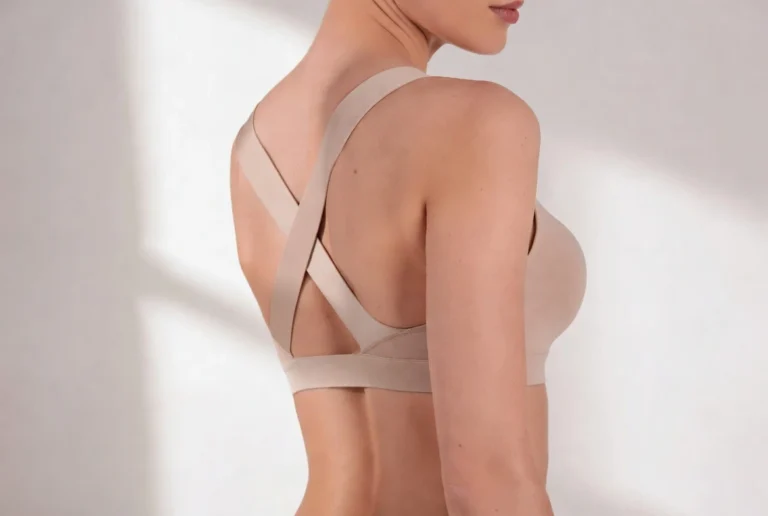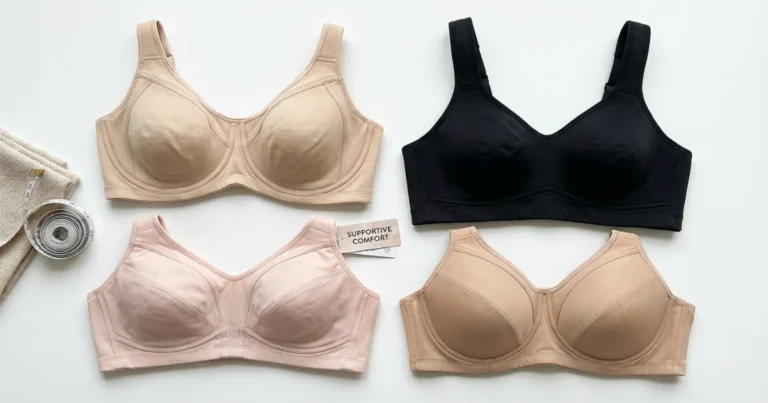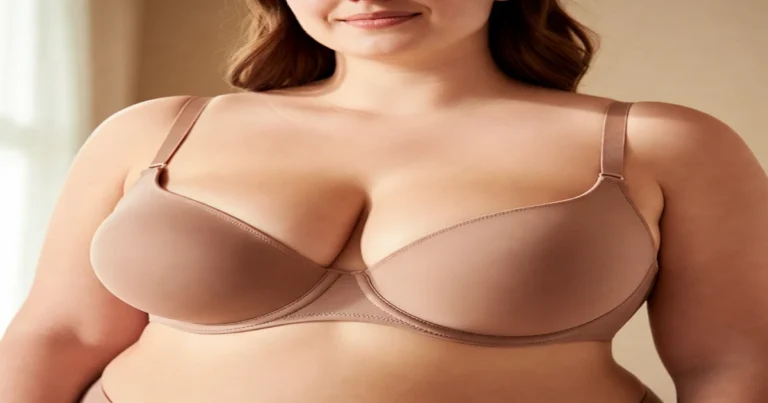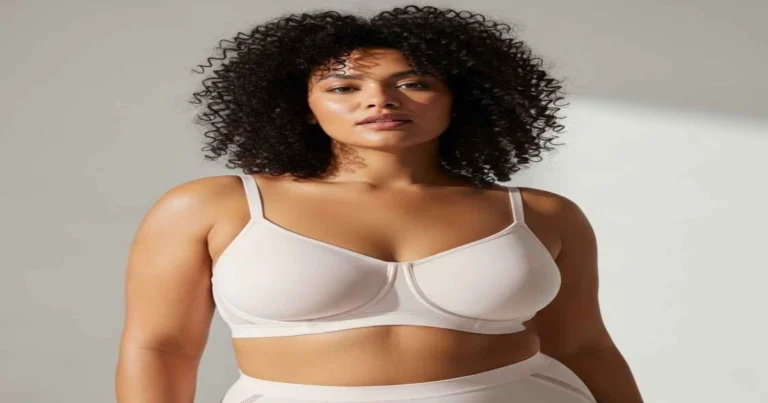
Pregnancy supportive nursing bras for large breasts are designed to provide firm lift, quick feed access, and all-day comfort during and after pregnancy.
Highlights include full-coverage cups, a strong underband, wide straps, and stretch fabric that responds to size changes. Front clips or drop-down cups aid in fast nursing.
Breathable, soft materials reduce chafing and sweat. To make an intelligent selection, align support level, cup depth, and size range with your figure and everyday requirements.
Why Supportive Bras Are Non-Negotiable
Supportive nursing bras are not a nice-to-have for large breasts. They are core gear during pregnancy and postpartum when breasts may increase up to five cup sizes, rib cages expand, and daily strain rises. The right fit eases pressure on back and shoulder muscles, reduces skin stretch, and makes feeding simpler.
Options like the storq Comfort Zone Nursing Bra or the Momcozy Classic Ultra Soft Nursing Bra can make regular tasks and breastfeeding feel manageable rather than painful.
Alleviating Back Pain
Wide, padded straps and a strong, deep band transfer weight off trapezius muscles and onto the rib cage, decreasing back strain. A tight band on the loosest hooks to start and multi-row hooks and eyes assist as your rib cage expands, maintaining support.
Normal fashion bras or light maternity bralettes tend to fail under the weight. That mismatch can fuel chronic neck ache, mid-back tightness and tension headaches. Just about everyone experiences relief in the very same week they make the switch.
Choose designs built for large busts, such as the Momcozy Classic Ultra Soft Nursing Bra, with firm bands and high sides to cut side spill and muscle fatigue. Front-adjust straps help fine-tune lift.
Good support protects long-term posture. It decreases scapular muscle overuse and avoids postural habits, such as rounded shoulders, that can persist post-partum.

Preserving Breast Shape
Full-coverage cups with structure help hold tissue in place as size and density change, which limits stretching and loss of lift. With firm seams and internal slings and stabilized cup edges, supportive bras distribute weight so that skin and ligaments bear less.
Ditch skimpy coverage or mega stretchy bralettes for everyday use if you’re a fuller-busted gal. They’re gentle, but they provide minimal shaping when breasts are weighty.
Search for reinforced stitching at power strap junctions and side panels. This prevents the cup from folding in on itself during long days and multiple feeds.
Holding its shape means feeling comfortable and confident in a whirlwind of change.
Improving Posture
Wide, padded straps and a deep underbust band signal an upright stance and reduce slouch. This positioning allows the spine to stack so that the chest and shoulders do not hunch forward.
A good maternity bra is like a light brace in motion. Whether you’re walking, rocking the baby, or working at a desk, it stabilizes the bustline and decreases chest and neck tension.
Better posture reduces shoulder trigger points and alleviates rib and sternum pressure.
Enhancing Comfort
Soft, breathable fabrics such as pima cotton, modal, or spandex blends ease heat and friction on sensitive skin. Seamless, tagless interiors assist when nips are sore.
Adjustable bands, straps, and multiple hooks and eyes flex to rib cage growth and daily swelling. This is important because about 80% of us are in the wrong size, which fuels the pain.
One-handed clips, drop-down cups or pull-aside panels make feeding and pumping faster, especially at night. A supportive bra can make nursing more comfortable and bring back some sense of normal day flow.

| Feature | Supportive Nursing Bra | Non-Supportive Bra |
|---|---|---|
| Strap Width | 15–28 mm padded | Thin, digs in |
| Band Strength | Deep, firm, multiple hooks | Weak, rolls up |
| Cup Coverage | Full coverage, molded or multi-part | Minimal coverage |
| Nursing Access | Drop-down or clip-down | Limited, no easy access |
| Fabric | Breathable, moisture-wicking | Cheap synthetic, traps heat |
| Support for Large Busts | Excellent | Poor |
| Effect on Posture | Improves posture | Causes slouching |
| Comfort Level | High | Low |
| Longevity | Long-lasting | Stretches out fast |
Key Features of Pregnancy Supportive Nursing Bras
Designed to hold up weight, growth, and nursing access in mind, these bras prioritize support, comfort, and flexibility for larger cup sizes during every trimester and after.
- Full coverage cups with leak control and shaping
- Wide, padded straps (15–28 mm) to spread weight
- Strong, deep bands with multi-row hook-and-eye
- Breathable, moisture-wicking fabric that remains soft after countless washes
- Extensive adjustability in straps, bands, and cup access
- Easy nursing features include one-handed clips, drop-down cups, and removable pads.
1. Wide, Padded Straps
Wide, padded straps distribute weight so shoulders don’t carry the full burden. This comes in handy when cup sizes creep into DD, G, or even further. Comfort is the number one necessity for most buyers and strap design impacts that more than most bra components.
Select widths from 15 mm to 28 mm. The bigger the breast, the wider the strap. Adjustability is important as breast volume fluctuates on a weekly basis. Stay away from thin or fancy straps that dig and slide under weight.
For sport or all-day wear, designs such as the Storq Comfort Zone Nursing Bra or Cadenshae sports bras combine padding with strong support without bulk.
2. A Strong, Deep Band
A deep underbust band is your anchor. It takes the bulk of the lifting, minimizes bounce and secures cups during feeds. Seek out multi-row hook-and-eye with at least three rows for fine tuning as the ribcage expands.
Bands should be softly lined to reduce chafe, particularly along the sternum and underarm. Avoid thin or flimsy bands that curl, roll, or lose stretch after countless 40 °C washes.
A sturdy band takes the weight off the straps and sustains posture.
3. Full Coverage Cups
Full coverage cups capture every bit of tissue, preventing spillage and containing leaks. Depth and width should correspond to larger sizes, with space for late-day swelling. Molded or foam-lined cups provide contour and conceal nipples.
Padded cups can absorb light leaks as well. Seamless cups minimize show-through under thin tops. If you pump, deep cups assist seat flanges without collapsing.
4. Breathable, Supportive Fabric
Opt for cotton or pima blends, nylon-spandex blends, or other moisture-wicking knits that leave skin breathable and dry. This is handy for night sweats and marathon feeds. Fabrics need stretch that rebounds, not stretch that sags.
Steer clear of scratchy synthetics that trap heat. Hardwearing, quality weaves will maintain their shape after repeated wash and wear.
5. Extensive Adjustability
Seek out adjustable straps and several hook-and-eye rows to accommodate ribcage growth. Convertible or racerback alternatives enhance support beneath various tops.
One-handed nursing clips and clip-down cups facilitate quick access, which makes feeds easier when your hands are tied. Some like fixed pads. Others desire removable inserts to wash and swap.
Both options exist. Removable pads provide options for coverage and warmth.

How to Find Your Perfect Fit
Finding a supportive nursing bra for large busts requires clear steps. Size shifts fast in pregnancy and early postpartum, so plan for change and test the fit in real life. Research styles like the sublime nursing bra and features before you buy, as not all bras support heavy tissue the same way.
-
Measure yourself every 4 to 6 weeks. Breast and ribcage size can shift rapidly, and a bra that fits in the morning may not fit at night.
-
Note features for support: wide, cushioned straps, full cups, firm bands with 5 to 6 rows of hooks for ribcage growth, strong sling or side support. Skip narrow straps; they dig in and strain shoulders.
-
Shortlist brands and styles built for larger busts. Try several, like Bravado, Storq, and Momcozy, and compare molded versus soft cups, underwire versus wire-free, and seamless versus seamed.
-
Fit-check in motion: reach, bend, and lift your arms. Search for no spillage, slipping straps, or band ride-up.
-
Plan for the timeline: At around 8 months pregnant, many have a similar size to 6 weeks postpartum after milk flow settles. Early postpartum (first 6 weeks) leans toward a stretchy, seamless bra to cope with daily swings.
Professional Fitting
A professional fitter can size you quickly and catch problems you overlook, saving expensive errors while bodies shift. Request big busted styles, one-handed opening nursing clips, firm band elastic, and tall side wings to control tissue.
Experiment with different sizes and cup depths in various brands. Sizing is not consistent. Use their feedback to flag red flags: straps that fall, cups that wrinkle, or a band that rides up. Most stores even permit movement tests in the dressing room, so use that time!
Self-Measurement
Use a soft tape. Measure snug underbust while exhaling and the fullest bust while standing, then leaning forward if necessary. Take down both and double check in a mirror that the tape is straight.
Make a super simple chart with dates, underbust (cm), bust (cm), and notes on swelling/tenderness. Contrast findings with each label’s chart; sizes differ. If between sizes, choose the larger cup and the tightest supportive band you can wear on the loosest hook, leaving space to tighten later.
The Fit Check
The band needs to be level, firm and non-digging. If it rides up, the band is too loose. Go down a band size or opt for a style with more hooks.
Cups must encapsulate tissue with no gaps, overflow, or wrinkling. Try sister sizes to dial in. Straps should stay put without pain. Wider straps distribute weight. Thin straps dig into the shoulders, leaving marks.
Move as you do at home. If your breasts sag, straps slip, or you feel pressure points, then it’s the wrong size. Roughly 80% of women wear the wrong size, and pregnancy swings only exacerbate that.

The Emotional Impact of a Good Bra
Support, comfort, and fit shape more than posture; they also influence our mood, self-assurance, and day-to-day comfort throughout pregnancy and nursing, especially when you have a favorite nursing bra for large busts.
Restoring Confidence
The right nursing bra will smooth lines under your tops and dresses, ensuring everything drapes perfectly. Look for options like a pumping bra with molded cups, wide bands, and side panels that push tissue forward for a round, stable shape. This minimizes button gaping and cling under soft knits, lifting your everyday confidence at work, around the house, or on a stroll.
Colors and styles matter greatly. Soft neutrals for daily wear, a bold tone for a mood lift, or lace that lies flat can feel personal and still practical. Many mothers feel self‑conscious about size shifts or asymmetry. A well‑fitting bra, such as a sublime nursing bra, can cut that noise so you focus on your day, not your chest.
Mark milestones with little rituals. Celebrate that first moment of leaky-bottle bliss with a cherished set or a first road trip with a soft bralette for nighttime relief. Nothing makes you feel more like you than a good bra, and that’s serious body-positive ammo in a new season.
Reducing Anxiety
Leaking is stressful, especially for mothers navigating nursing. Full-coverage cups with absorbent or leak-proof layers and snug (not tight) bands keep spots off shirts. Consider using a cute bra with a backup pad tucked into a little pouch in your bag, opting for dark prints for added peace of mind.
Easy nursing access is essential when the baby is cranky or a pump session is scheduled. One-hand drop-down cups, magnetic nursing clips, and stretch panels expedite the process. A secure fit from a good nursing bra nips the endless tug and lift cycle that frays your nerves. If the band rides up, it indicates that the band is too loose, not too tight.
Quality fabrics, such as those found in a sublime nursing bra, reduce lifetime concern. Strong elastane, reinforced seams, and thicker straps distribute weight and minimize digging, ensuring comfort on frenzied days.
Fostering Connection
Comfort keeps you here. Soft, breathable fabrics, smooth seams, and cushioned straps let you hold skin-to-skin longer without pinch. That counts when feedings stretch 20 to 40 minutes and you need stable support for 600 to 1,000 milliliters milk flow days.
Simple clasps mean less fuss during night feeds. Drop-down cups keep baby’s latch steady. In public or around family, fold-over coverage panels or wrap fronts provide discreet nursing on the fly without a frantic scramble.
For some, security lessens worries about size, shape or even history, be it body image or post-surgical tenderness. Comfort is not a luxury. Eighty-one percent of shoppers rank it the number one priority for nursing bras, and for good reason.
A good fit relieves aches and pains, wards off the mood dips associated with tight bands and provides consistent support in times of big transition.
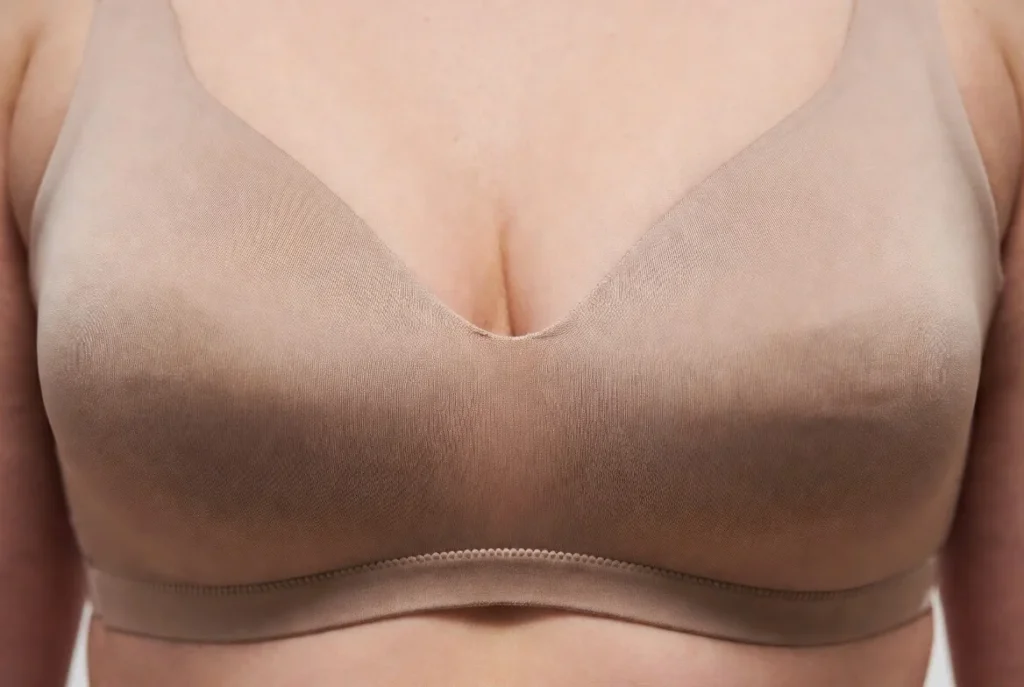
What to Avoid When Shopping
Shoot for comfort to last, clean feed access, and stable support for a heavy bosom with a good nursing bra. Think adjustability and robust construction first, especially for large busts.
- Underwire if you get clogged ducts or mastitis
- Flimsy fabrics and weak seams that stretch out
- Minimal closures with poor adjustability
- Restrictive bands, narrow straps, and fixed sizing
- Trend-first or bargain bras that swap function for cost.
- Fancy fabrics like lace, polyamide, or satin that chafe
- Pull-over or bralette styles for heavy busts
- Skipping a pro fitting and hook count (4–6 rows)
Flimsy Materials
Cheap, thin fabrics deteriorate within minutes of handling everyday wear, milk spills, and washer cycles. Cheap bras lose all stretch after a couple of washes, so your cups sag and your band rides up. That translates to more bounce and less control.
Be wary of ill-stitched strap joints and cup seams. If the seams pucker, threads appear loose, or band curls, pass. Big busts need reinforced seams, an 8 to 10 cm wide band, and padded straps that distribute weight.
Opt for hard-wearing blends like cotton-spandex or nylon-elastane. They wick moisture and breathe better than satin while holding shape. Steer clear of fancy lace or slick satin for daily wear because they itch, trap heat, and pill.
Underwire Bras
Conventional underwire can compress breast tissue and ducts, potentially increasing the likelihood of clogged ducts, especially with size fluctuations throughout the day. If you’re tender, swollen or your size fluctuates, the wire edge can dig in and cause hot spots.
Go for wireless models or bendable “gel” or soft wire options that move with you. Seamless nursing bras and soft cups provide even pressure and fewer pinch points, which makes it easier during pregnancy and early postpartum.
Going shopping? If you want structure, search for side slings, inner support panels, and firm bands, not metal wires. Reassess fit each trimester and post birth.
Minimal Closures
One or two hooks can’t support a heavy bust. The band does most of the work. Target four to six hooks with several rows, allowing you to tighten as the band loosens over time. Most skip this check and rue it.
No pull-over or bralette style for bigger cup sizes – they’re not firmly anchored and can ride up. Opt for durable, sleek hook-and-eye hardware that endures repeated laundering, with one-handed open clip-down cups.
Restrictive Designs
Hard bands and fixed cups combat natural size fluctuations. Narrow straps dig in and hurt over long days, particularly beyond 10 kilograms per pair of breasts. Fixed sizing with no strap and band adjustments shrinks the wear window.
Find stretch in the cup, a wide, stable band and multi-point adjusters. In the first six weeks postpartum, ditch the cupped sizes and opt instead for stretchy seamless styles that flex. Don’t fall for the ‘your old size still fits in later pregnancies’ because bodies change!
Get professionally fitted when you can, and recheck as weight and milk supply fluctuate.
Care and Maintenance Guide
Clean, dry, and store nursing bras with care to keep support steady, fit safe, and fabric strong. The handy checklist below outlines the complete regimen for mothers with large busts through pregnancy and nursing.
- Flip to the care label first. SLIDERS follow fiber-specific rules to prevent damage and maintain stretch equilibrium.
- Machine wash on gentle or hand wash in cold water with mild detergent. Skip bleach and softeners.
- Make sure you rinse well, including any sewn-in pads, to wash away soap that can sting the skin.
- Lay flat to dry, reshape cups and straps while moist, and never use high heat.
- Store bras either flat or nested. No crushed cups and no bent wires.
- Rotate three to four bras to cut wear.
- Check fit often: You should slide two fingers under the band with ease.
- If tightness arises, toss in a bra extender or shift hooks. A band that is too tight can block ducts and increase the risk of mastitis.
Washing
To maintain the quality of your nursing bras, hand wash in cold water with a mild, enzyme-free detergent. This method preserves materials like lace and spandex, ensuring the bra provides the necessary support for larger busts. If you opt for machine washing, protect your bras in a mesh lingerie bag to avoid snagging, and always use a delicate cycle to prevent wear on your favorite nursing bras.
Avoid bleach and fabric softeners, as these can damage the elastic and warp the cup edges, ultimately shortening the lifespan of your underwire bra. After washing, thoroughly rinse nursing pads and cup linings to prevent odors and skin flare-ups. Ensuring clips and sliders are secure is essential, as they facilitate easier feedings during those nighttime dream feeds.
For optimal care, remember that rinsing cups gently without wringing is crucial to maintaining their shape. This simple process will keep your everyday nursing bras in excellent condition, ready for both day and night use.
Drying
Lay bras flat on a clean towel or drying rack. Airflow from both sides accelerates drying and maintains shape.
Avoid the dryer. Heat deteriorates elastic, shrinks fabrics and can warp underwires. While still wet, reshape cups, straighten wire channels and even out straps to proper length. Click here for Care and Maintenance Guide.
Storing
Method | How it works | Best for | Notes |
|---|---|---|---|
Flat stacking | Lay bras flat, cups up | Molded cups | Keeps cup dome intact |
Nested cups | Stack cups inside each other | Padded or spacer | Saves space without folding |
Drawer dividers | One bra per slot | Daily rotation | Prevents strap tangles |
Travel case | Hard-shell case | On-the-go | Shields cups from crush |
Do not stuff bras or fold cups in half, as this can damage their shape. Heat and sun can fade fabric and dry out elastic, so keep your nursing bras away from windows and heaters. It’s wise to rotate your bras; wear one and then allow it a day off to help the elastic recover and maintain a secure fit.
Fit checks are crucial at every level, especially when shopping for a good nursing bra. In month nine, purchase with the back band on the loosest hook. Quality nursing bras often feature three to four hooks per row for improved weight distribution, making them ideal for mothers.
A bra extender can provide extra room as your ribs grow during pregnancy. In those first six weeks post-birth, where breasts shift frequently between feeds, a supportive, stretchable seamless bra is essential to keep up with the demands of dream feed nursing without causing discomfort.
Conclusion
To boil down, fit and support really push comfort in pregnancy and nursing, especially with large breasts. A strong band supports a lift. Wide, strappy bras distribute the weight. Full cups maintain form. Breathable fabric keeps skin cool and dry. Front clips make feed time quick. Clear size checks alleviate pain and strain.
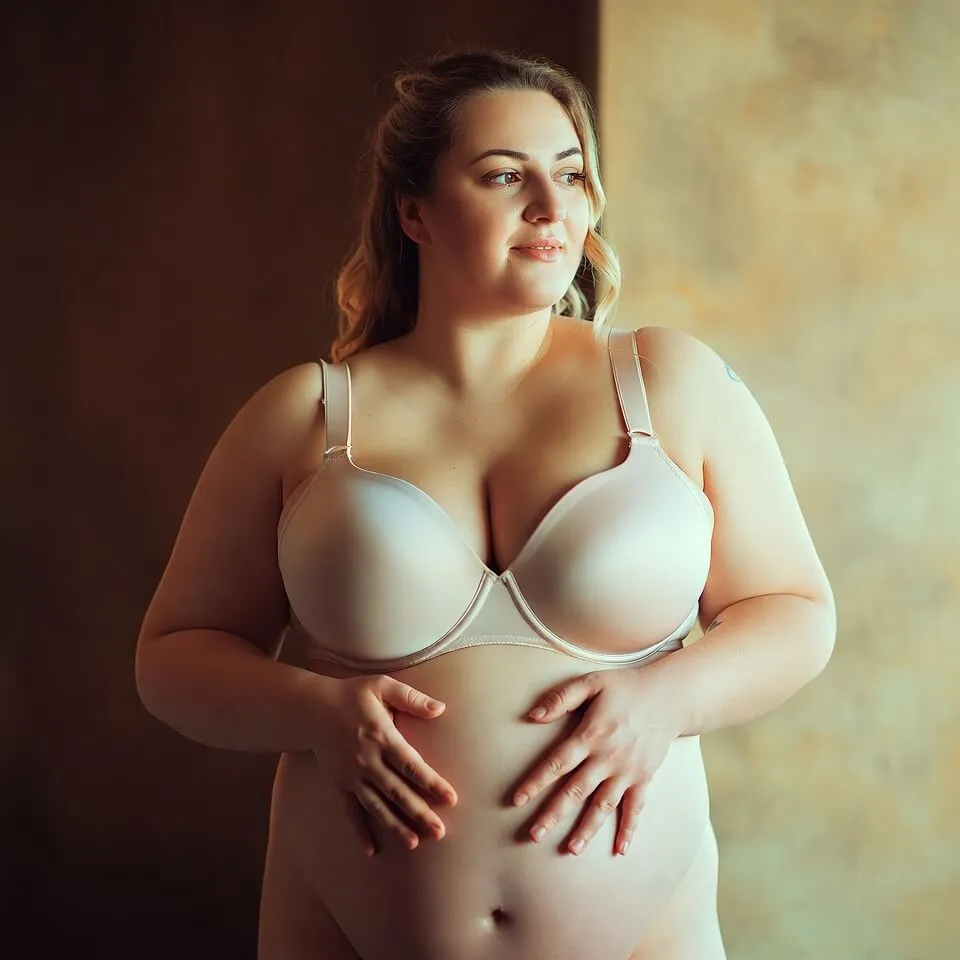
Key takeaways:
- Measure often. Sizes change by trimester.
- Select a strong band, wide straps, and full coverage cups.
- Skip thin lace, weak bands, and rough seams.
- Cold wash. Air dry to maintain stretch and shape.
- Track how your body feels. Adjust as you go.
For a quick start, try three bras: one day bra with full support, one sleep bra with soft stretch, and one wireless bra with easy clips. Need assistance selecting brands or sizes? Drop a question and let us know how your fit has been lately!
Frequently Asked Questions
What makes a pregnancy nursing bra supportive for large breasts?
Be on the watch for full cups, wide straps, and a sturdy underband in your search for a good nursing bra. Multi-part cups, side support panels, and a U-shaped back add stability. Opt for breathable, elastic fabrics with few seams to ensure a secure fit.
How do I measure my size during pregnancy?
Measure your band under the bust, snug but comfortable, and ensure you are using a good nursing bra for support. Measure your bust at its fullest point, and consult a bra guide to convert sizes. Recheck every 4 to 6 weeks, as your body evolves, especially after dream feed nursing.
Are underwire nursing bras safe during pregnancy and breastfeeding?
Yes, if they’re well-fitting, like a good nursing bra. The wire should nestle behind breast tissue and trace the root, not press. If you get clogged ducts or feel sore, opt for a flexible sizing or wireless nursing bras. Comfort and circulation are priority one.
Which features help with heavy breasts and milk changes?
Opt for molded or multi-part cups, a robust underband, wide padded straps, and power-mesh wings in your nursing bras. Easy feeding is supported by drop-down cups with one-hand clips, while the stretch top cup accommodates breast size changes, ensuring a secure fit for mothers.
How many nursing bras do I need?
Three is a practical start: one bra to wear, one to wash, and one to rest. Consider adding extras if you leak frequently or work out. Rotating between your sleep bras can help prolong their life!
What should I avoid when shopping?
Avoid thin straps, narrow bands, and single-layer cups when selecting a good nursing bra. Rigid cups without any stretch should be disregarded. Ensure the sizing is not snug around the ribcage, as a floating center gore indicates the bra is too small.
How do I care for supportive nursing bras?
Hand wash in cool water with delicate detergent to maintain the integrity of your favorite nursing bras. If machine washing, place in a lingerie bag and wash on a delicate cycle. Always air dry flat, and remember to close hooks prior to laundering to ensure a secure fit for your bras.