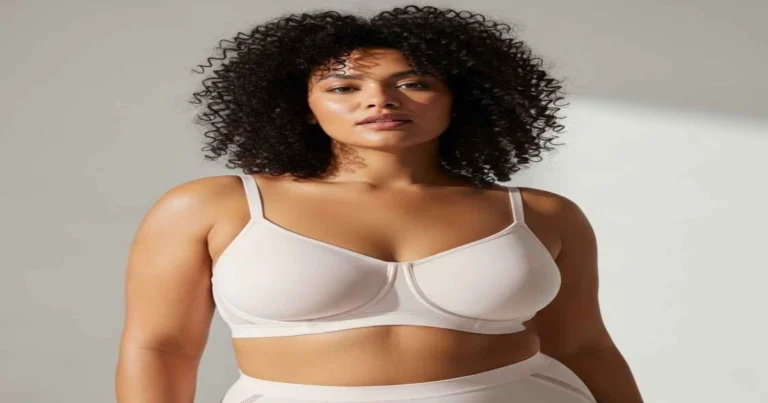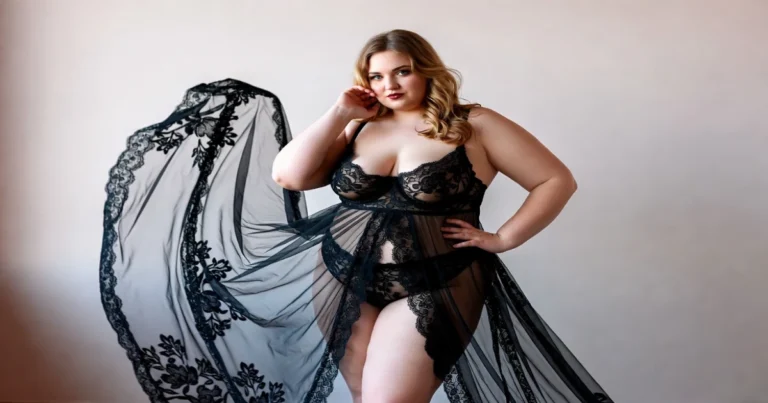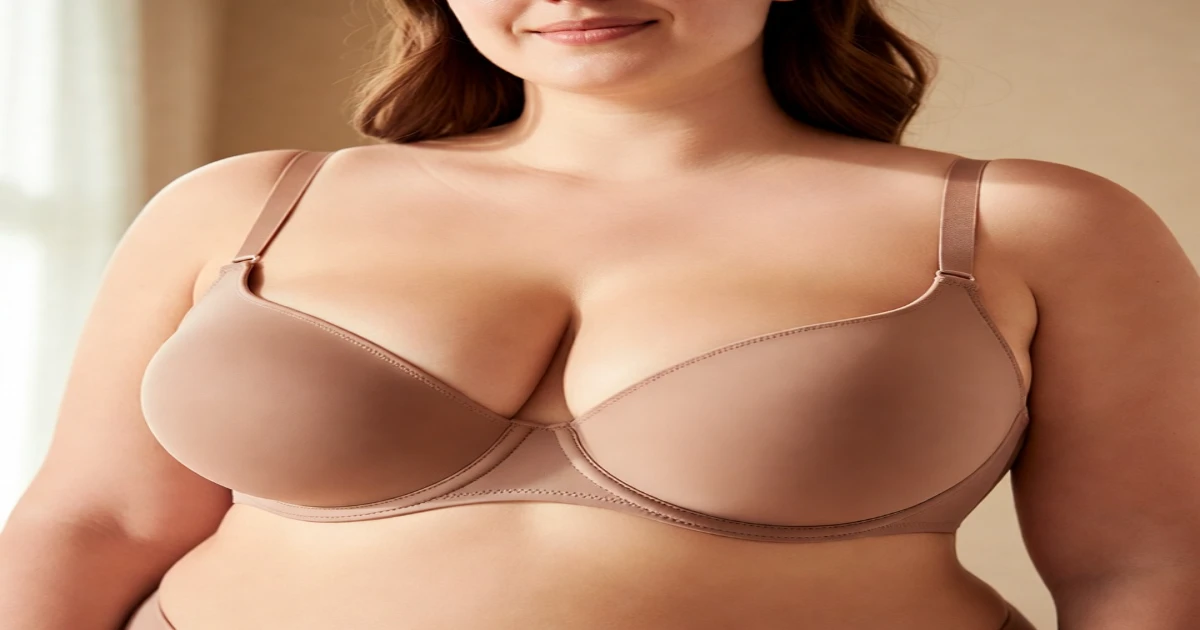
Plus size underwire bras can be a game-changer—or a constant source of frustration.
When the fit is right, they lift, shape, and transfer breast weight to the ribcage instead of your shoulders. Clothes sit better, posture improves, and long days feel easier. When the fit is wrong, underwires dig, bands ride up, and discomfort shows up fast.
The difference comes down to structure, sizing, and design details. Wider bands, cushioned underwires, multi-part cups, and supportive side panels work together to create real support without pain.
This guide breaks down exactly how plus size underwire bras should fit, what construction features matter most, and how to choose a style that supports your body—not fights it.
The Underwire Bra Dilemma
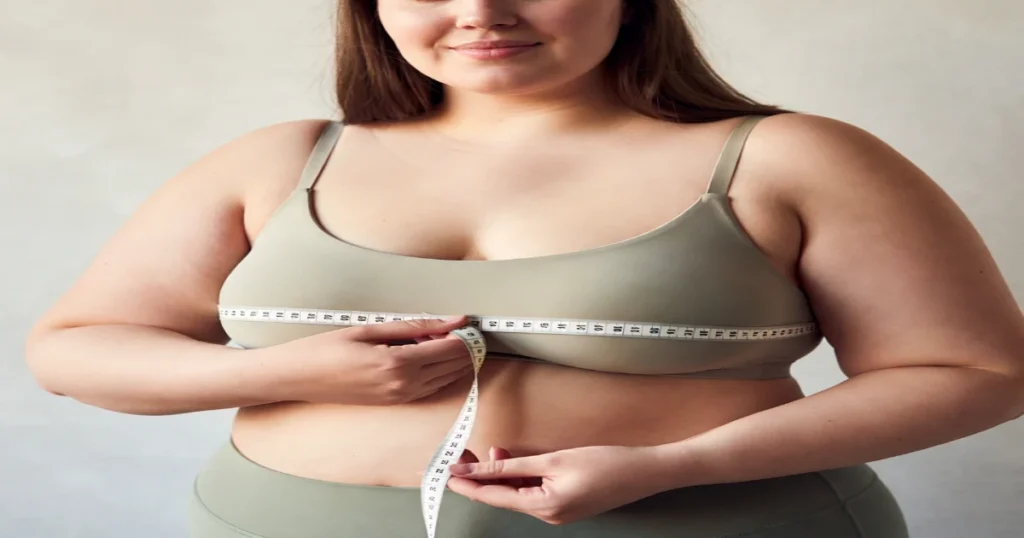
Striking an equilibrium between a sturdy frame and all-day comfort is the essence of the problem with plus size underwire bras. To find the perfect fit, using a tape measure to determine your bra band and cup size is essential. The right size and build can make a difference in posture, comfort, and the way your clothes sit, while the wrong one causes pressure points, pinching, and skin rub.
Support vs. Comfort
Underwire bras provide lift and shape, with distinct contouring that works well under fitted blouses and structured dresses. A lot of big-breasted women swear by them for everyday wear because the wire fixes weight to the ribcage and takes the pressure off shoulders.
Still, if fit is off, pain comes quickly. Wireless bras are light and free. They reduce the chance of rub at the root and can shift with the body, which some like for long train rides or desk days.
They often don’t correspond to underwire for shaping or high-impact support, particularly in larger cup sizes. Wide straps and cushioned bands distribute load and reduce dig-in marks. A wider back band with sturdy stretch keeps the bra in place, so no wire digs.
Full coverage cups and smooth seams prevent bulging at the sides and minimize friction near the crease.
- Full-coverage underwire with padded wire channel
- Wireless longline with wide band (at least 8–10 cm)
- Front-closure underwire with wide, bonded straps
- Minimizer style with seamless cups and strong side panels
The Fit Challenge
Wearing the wrong size causes shoulder soreness, neck stiffness, and back tension. A loose band rides up, wires poke, and cups spill or gap. These indicators usually signal going down a band and up a cup.
Use a gentle tape. Measure tight underbust in centimeters for band direction. Then measure bust at the fullest point standing. The cup is the difference between bust and underbust. Make them both metric to facilitate comparison.
Sister sizes help: If 95F feels loose in the band, try 90G. If too tight, try 100E. European systems (EU) scale by 5 cm bands and letters that shift differently from US/UK, so check the brand’s chart.
This counts when shopping across territories or on the web. Never forget to check the size tag and verify with a decent calculator from the seller. Then test: scoop and swoop, check that the wire sits behind breast tissue, and ensure the center gore rests flat.
A Personal Journey
I went down a band and up a cup, then transitioned to wider straps. A daily ache in my upper back had gone away within a week.
A solid band helped my posture at my desk and during walks. Clothes laid smoother, so I grabbed less fabric to conceal bumps. Alternating between a front-closure underwire for the office and a wireless longline for travel made things better.
A high-support, encapsulated cup sports bra covered workouts.
|
Brand |
Model |
Size (EU/US) |
Strap Width |
Band Height |
Wire Width |
Notes After 8 Hours |
|---|
Trends develop quickly.
Choosing Your Plus Size Underwire Bra
It’s fit that drives comfort and support. Begin with careful measurements using a tape measure to determine your bra band size and cup size, then fit features and styles to your wardrobe and day-to-day needs. Check out every brand’s available size chart and filters size guide. Be aware of limited size runs, as a 36 band might go as high as a D, so check size ranges before purchasing.
1. Measure Yourself
Stand up straight and hold the soft tape parallel to the floor. Write down both figures. Underbust directs your band. Bust measures volume. Jot notes with date and time because size can fluctuate throughout the day.
Find cup size by the difference between bust and underbust in inches. About 1 inch equals A, 2 equals B, 3 equals C, 4 equals D, and so on. Take this as a starting point only.
Take a quick table of underbust, bust, and the gap, then compare against the brand’s chart. Brands differ and half sizes could be scarce in some band and cup combinations.
2. Assess The Band
Your band does all the heavy lifting. It should feel snug, not tight, on the loosest hook and sit level around your torso without riding up. If it pinches or bulges, try a larger band or smaller cup in a sister size.
A leotard-style back is slip-reducing for many. Cushioned bands, back adjusters, or a tight mesh side wing can return stability for long days.
3. Check The Cups
Cups that contain all your tissue, with no gaps at the top and no side spill. For curvier volumes, three-piece cups tend to provide the most lift, shape, and coverage.
Smooth cups camouflage lines beneath thin shirts, while padded or half cups can add lift or roundness for those outfits that require it. If the wire presses on breast tissue, try a different cup size or style.
A deep V or plunge works under low necklines and can feel more feminine without sacrificing support.
4. Adjust The Straps
Snug until they stay put without digging. Wider straps or mesh shoulder straps disperse weight more effectively, which is good for heavier cups.
Got sloped shoulders? Check strap placement or try a leotard back to prevent slip. Adjustable racerback options add lift and keep straps hidden under tanks.
5. Evaluate The Gore
The gore should lie flat on the sternum. If it floats, your size or shape is off. Wider gores provide stability for larger cups and assist in separating tissue to avoid center bulge.
Seek soft lining to prevent rub, as underwire provides support but feels unforgiving if the fit is off. Matter materials and build. Superior fabrics retain form through numerous wash cycles.
Key Bra Design Features
A supportive underwire bra collection for full busts depends on five elements working together: underwire, band and wings, cups, straps, and closure. To ensure the perfect fit, use a tape measure to determine your bra band and cup size. Seamless construction and smooth hidden seams minimize lines under clothing and reduce chafing.
Underwire Construction
Underwires lift, center, and contour by distributing weight across the chassis, not the straps. This forms a secure foundation that presses your bust forward and supports you for all-day wear.
Search for malleable, padded wires with felt or gel pathways. They flex with motion and soften hot spots at the sternum and underarm. Wire length and width matter. Longer, wider wires can contain fuller tissue and prevent side spillage, while shorter wires may suit close-set breasts.
Most brands will now use spring steel, U-shaped, or 3D-curved wires that follow the rib cage. Check out the complete underwire bra line to match these styles up against your breast root width and torso shape.
Band and Wings
Wide bands and tall wings add back support and keep the bra anchored. They smooth side tissue for a cleaner line under tees. Additional hooks and eyes increase stability. A three to four row closure distributes pressure more evenly than a two row.
Nylon, spandex, or stretch ribbon blended bands provide stretch without sacrificing support. Your band should do most of the work, alleviating shoulder pressure and back strain throughout your long days at a desk or on the go.
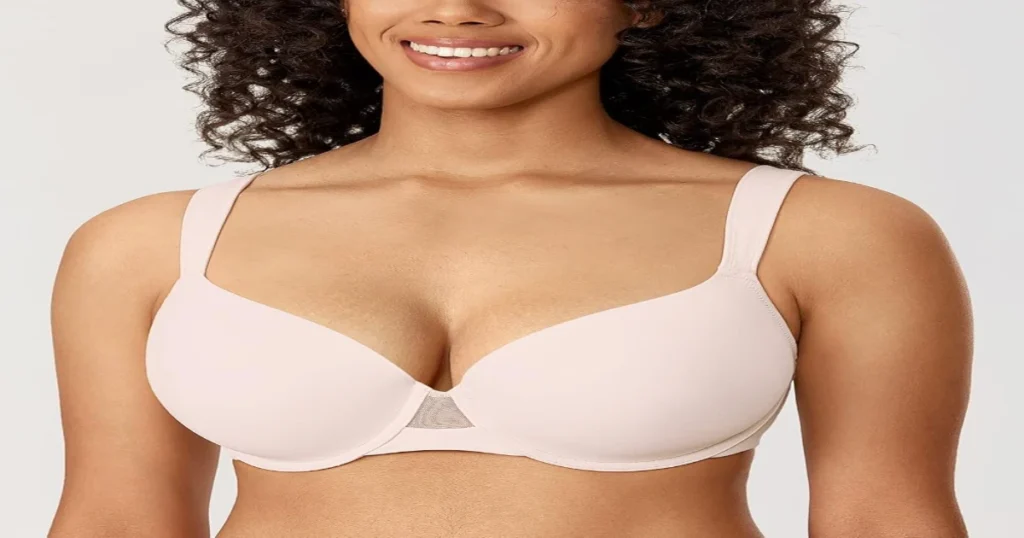
Type of closure impacts ease and comfort. Back hook-and-eye is the norm. Front closures aid limited mobility but often come with a narrower band. Look for soft brushed elastic and hidden seams down the wings to prevent chafing.
Cup Design
Cup styling and sizing guide fit and comfort. Available in demi, balconette, and full-cup styles with sizes from A to K and beyond. Full-cup provides maximum coverage. Balconette opens the neckline while lifting. Demi is for shallow upper fullness.
Molded cups provide a seamless line beneath light tops. Padded cups provide shape and modesty, while soft cups alleviate bulk and warmth. Side panels, inner slings, or reinforced stitching assist in centering tissue and enhancing support without bulky foam.
Cup width and depth should be equal to breast root and volume. Wires that are too narrow pinch, and cups that are too shallow spill. Fabrics matter: breathable microfibre or cotton linings for heat, and sturdier simplex or laminated lace for hold. Seam placement and a smooth gore lining minimize chafing.
Strap Placement
Right strap placement keeps straps on the shoulders and does not scratch the neck. Wide or cushioned straps distribute weight for large cup sizes and eliminate red marks.
Adjustable sliders and back adjusters provide just the right amount of lift as the band ages. Convertible or racerback styles pull breast weight inward, provide a posture enhancing sensation, and are invisible under cross-back tops.
Pair strap width with band width and cup volume for evenly distributed frame support.
Material and Fabric Choices
Material is what fuels comfort, support and longevity in plus size underwire bras. Breathable, soft fabrics assist in minimizing chafe on delicate skin. Combed cotton, lycra lace and fine mesh provide all-day comfort, while blends with nylon or polyester bring durability and easy maintenance.
Check stretch, support and washability before you buy, and be aware of any skin sensitivities that may require the use of hypoallergenic fibers such as bamboo or silk.
Breathability
On hot days, mesh panels or wick liners pull sweat from the skin. This restricts heat accumulation beneath the cups and along the side wings, where rubbing often initiates.
Pick light, soft materials to reduce sweat and irritation. Combed cotton is the best for breathability and easy maintenance. Others include bamboo for a buttery hand and cooler touch.
Open-weave lace or perforated mesh increases ventilation without sacrificing support when the lining is sound. Lace and mesh give a clean look that layers under many tops.
- Hot, humid weather: moisture‑wicking mesh with four‑way stretch
- Mild days: cotton or bamboo cups with mesh side panels
- Gym or commute: performance blends (polyester/nylon and spandex), quick dry
- Cool climates: lined cups with breathable upper lace to vent heat
Durability
Every day use demands strong materials and solid construction. Seek out dense knits, quality power mesh and robust stitching at the cradle, gore and strap joins.
Synthetic blends like nylon-spandex or polyester-spandex increase abrasion resistance and reduce post-wash drying time. Reinforced bands and cup seams help keep the underwire seated and stable.

Double-layer wings in power mesh hold shape longer, and seamless construction over the cup can reduce friction while giving a smooth line under shirts. Ensure colorfastness and protect against pilling or bagging.
No dye should bleed after a cold wash and a quick rub test on a white cloth. Review for stretching out, broken seams or wires poking through after a few months.
Stretch
Stretch allows the band and cups to adjust to daily fluctuations such as fluid shifts or posture. Spandex, elastane, or four-way stretch meshes provide flex where you require it, particularly along the wings and cup edges, while stable cup fabrics anchor lift.
Balance is important. A band with excessive stretch invites drop and wire slip. Insufficient stretch can dig and compress the ribs, restricting breath. Go for a band that’s firm with a little give and cup fabrics that mix stability with a soft lining, like cotton or silk for sensitive skin.
Test stretch to pull band 2-3 cm, should return fast with tension. Give the cup edge a light pull — it should give or stretch for shape, but not crenellate or bow.
If you’re allergic, seek out hypoallergenic options and stay away from blends that have caused reactions.
Specialized Plus Size Styles
Specialized plus-size underwire bras address actual fit requirements with elements that support, contour, and position. They employ wider wings, reinforced seams, and stable frames that distribute weight and alleviate pressure. Shoppers appreciate the inclusive size grids, fit guides, and knowing that a look is designed for different shapes and dimensions.
-
Front-opening for easier on/off and post-surgery access.
-
Minimizer for a slimmer side profile under fitted tops.
-
Posture support to ease back and shoulder load.
-
Extended sizes for very large cups and bands.
-
Hybrid styles include front-close, posture, or minimizer with side support.
Pricing may be above average, but many appreciate the customized fit, inclusive selection, and considerate construction.
Front-Opening Bras
Front-closure bras make it easier to get dressed and undressed after long days or in cramped quarters. They are a functional choice for individuals with mobility restrictions, like arthritis or shoulder discomfort, as the closure is located at center front.
Test clasp strength prior to purchase. Whether metal hooks, slide locks, or medical grade magnets, they need to lie flat and resist pull. Search for inner support that distributes pressure and provides a secure underwire cradle.
Its styles range from tee-shirt smooth cups, lace balconette, posture-controlling backs, and sports-inspired looks in sizes through wide bands. With many plus-size lines, size filters and fit notes are online, reducing guesswork.
Bras for Size Z and Beyond
Expertized plus size styles offer a wide size range that counts for comfort and support at very large cup volumes. Look for bands that begin where you require them and cups that scale with depth, wire width, and strap sturdiness.
Leverage size charts and fit calculators from retailers with expertise in extended ranges. A pro fitting can verify cup depth, wire shape, and strap spacing.
- Elomi (Full Figure): UK sizing, strong side support, wide size grid
- Goddess: firm bands, simplex fabrics, reliable everyday frames
- Panache and Sculptresse: UK cups to very deep sizes and sturdy wires.
- Curvy Kate offers balcony shapes, an inclusive cup range, and clear fit guides.
- Ulla and PrimaDonna offer premium builds, reinforced seams, and a higher price point.
Minimizer Bras
Minimizers operate by shifting breast tissue throughout the cup for a more even, streamlined front. This minimizes forward projection without sacrificing lift.
Opt for full-coverage cups, wide bands, and firm center gores to anchor weight. Reinforced side panels assist in sweeping tissue inward and eliminate gaping.
They lay beautifully beneath button-downs and slim-fit knits, reducing stress on buttons and providing a smooth silhouette. Others discover they increase confidence by helping clothes hang with less tension.
Posture Bras
Posture bras infuse back support and alignment encouragement with X-back or reinforced panels. This can relieve stress from sitting all day and commuting.
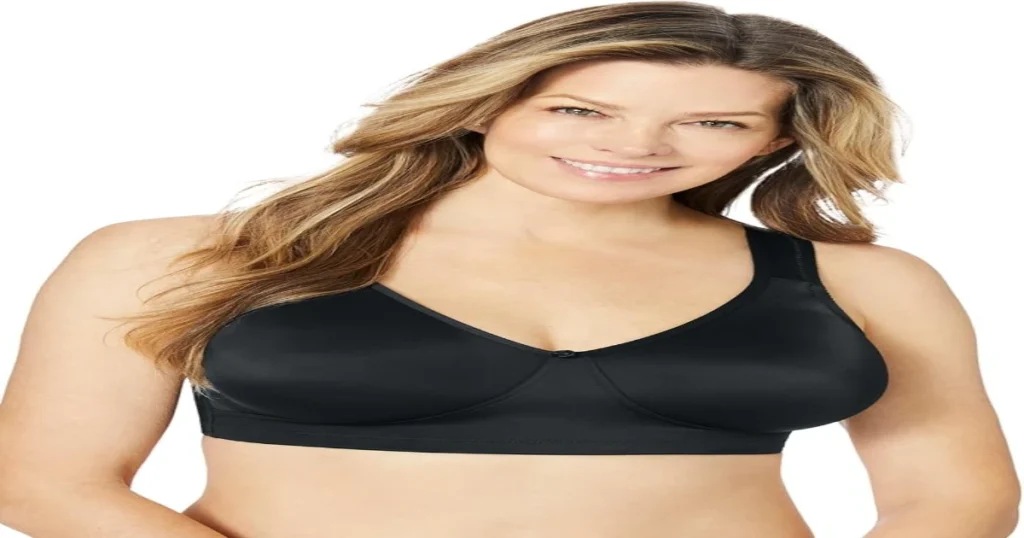
Seek out wide bands, strong backs, adjustable straps, and padded zones that minimize shoulder dig. If back pain is an issue, posture styles can be a consistent, everyday aid.
Many retailers provide specific guides, and a professional fitting delivers exact guidance.
Bra Care and Longevity
Your care decisions significantly influence the lifespan of your plus size underwire bras. Most bras, including those with a fit size chart band size measure, last between nine and twelve months, but their life expectancy depends on quality, wear rate, and care. Everyday use taxes elastic threads, so schedule a rotation that relaxes tension on the band and cups.
Instruct on hand washing bras with gentle detergent to preserve elasticity and shape.
Hand wash underwire styles to protect the frame and the knit of the cups. Fill a basin with cool water, sprinkle in a small measure of mild, dye-free detergent, and soak for 10 to 15 minutes. Press suds through the band and cups with flat palms; do not scrub or wring. Rinse until clear. This helps elastic fibers retain their snap and slows down fraying at seams.
Try to wash every two to three wears. Studies indicate that 25 washes is an approximate boundary most bras endure with aplomb, so gentle approaches are significant. If you have to use a machine, bag bras in a mesh bag, use the delicate cycle, cool water, and low spin.
Recommend air drying bras to prevent damage from high heat in dryers.
Heat breaks elastic and can warp wire channels. Skip the dryer. Lay bras flat on a towel, reshape the cups with your hands, and let them air dry out of direct sun. Hanging by the center gore or draping the band over a rack keeps weight off straps.
This slows stretch, helps cups keep their mold, and cuts the risk of wire poke.
Advise rotating several bras in your wardrobe to extend each bra’s lifespan.
Elastic needs downtime. Rotate a minimum of three daily wear bras: one on, one resting, and one washed. If you wear a bra three or more times a week, anticipate a shorter cycle, sometimes six months.
Rotation spreads wear and gets you into that nine to twelve month range. For instance, maintain a collection of two full coverage underwire bras for work, a sports bra for higher impact, and a lounge bra for less stressful days.
Suggest storing bras flat or hanging to maintain cup structure and avoid wire bending.
Stack molded cups flat, one behind the other, cups facing the same way. Do not flip or fold a cup into its mate. Soft cups should be laid flat or hung by the center gore on a wide hook.
Steer clear of cramped drawers that squish cups or warp wires. Watch for signs that it is time to replace a band that rides up, cups that look flat or misshaped, gaping at the top edge, or wires that shift.
Conclusion
A well-fitted plus size underwire bra should feel supportive, stable, and comfortable from morning to night.
The signs are simple: a firm band that provides most of the support, underwires that sit flat behind breast tissue, cups that fully contain without gaping or spillage, and straps that stay in place without digging. When these elements align, shoulder strain decreases, posture improves, and clothing fits more smoothly.
The smartest approach is to start with accurate measurements, understand sister sizes, and match bra construction to your daily needs—work, movement, or rest. Rotate your bras, wash them gently, and replace them once the band loses strength.
✅ Ready to get the fit right?
Before buying your next bra, check your true size and sister size options using our accurate bra size calculator.
It helps you match band tension, cup depth, and wire width to your body—so you spend less time guessing and more time feeling supported.
👉 Use the Bra Size Calculator and shop with confidence.two sizes, experiment and test at home, and keep the one that feels right.
Frequently Asked Questions
How do I know if a plus size underwire bra fits correctly?
The band should feel firm on the loosest hook, as indicated in the fit size chart band size measure. The center gore lays flat, and cups completely encapsulate breast tissue without gaping or spillage, ensuring the right cup size. Straps stay put without digging, allowing you to fit two fingers underneath the band.
Are underwire bras uncomfortable for plus sizes?
They don’t have to be. Pain typically equals the incorrect size or style, which can be determined using a tape measure to find your fit size chart band size measure. Click HERE to shop your favorite online plus size underwire bras! Seek out cushioned straps, wider bands, and side support. A good fit is supportive, not painful.
What features matter most in a supportive plus size underwire bra?
Give preference to a firm band, wide wings, and side boning for support. Use a tape measure to determine your cup size and bra band size measure accurately. Seek out encased wires and smooth seams for comfort while considering the fit size chart.
Which materials are best for comfort and durability?
Opt for breathable fabric such as cotton blends for comfort. To ensure the right fit size chart band size measure, choose laminated or power mesh panels that provide contour and support. Microfiber offers seamless coverage under clothing, while avoiding overly elastic bands is essential for durability.
How do I pick the right wire width for my breast shape?
Make wire width fit your breast root by using a tape measure to assess your dimensions. Wider roots demand wider wires to avoid poking, while a fit size chart can help select styles that accommodate your torso and bra band size.
What specialized styles work well for fuller busts?
Full-coverage and balconette styles provide lift and containment, while plunge bras are ideal for close-set breasts. To find the right fit, consult the available size chart or use a tape measure to determine your cup size and band size measure.
How can I extend the life of my underwire bras?
Hand wash cool with mild detergent and avoid using fabric softener! Lay flat to dry and rotate bras to allow elastics to rest. Store cups standing, not folded over. To ensure the right fit size chart band size measure, begin on the loosest hook and tighten as the band stretches.